 EN
EN
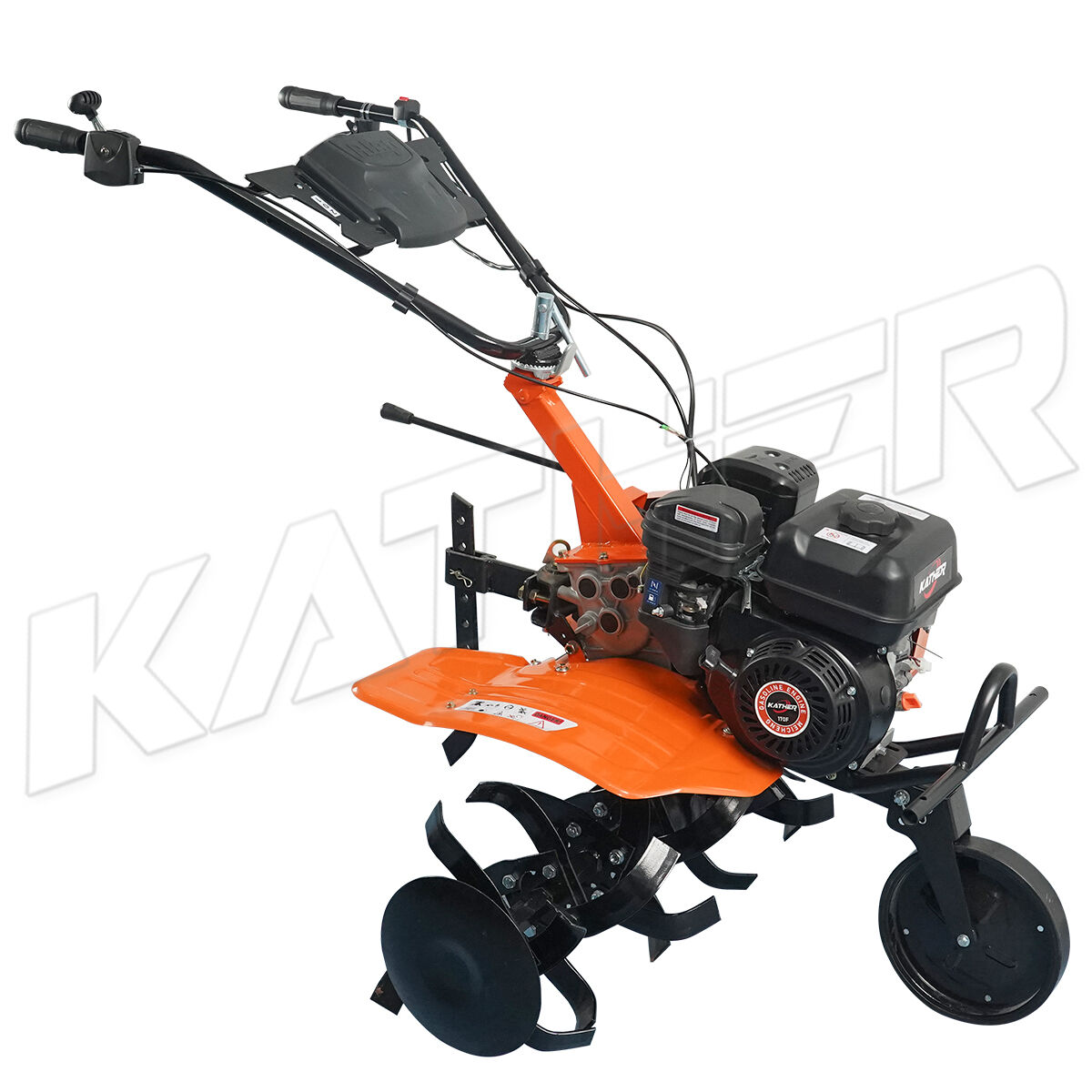
Power tillers serve as essential agricultural machinery for small to medium-scale farming operations, and their longevity depends heavily on maintaining critical components that endure constant stress during field operations. Understanding which tiller parts require regular attention and replacement can dramatically extend your machine's operational lifespan while reducing costly downtime during peak farming seasons.
Every tiller operator faces the inevitable reality of component wear, but strategic maintenance focusing on ten fundamental parts can transform your machine from a frequent repair burden into a reliable workhorse. These essential components form the backbone of tiller functionality, and their proactive replacement prevents cascading failures that often result in complete machine breakdown during critical cultivation periods.
Critical Engine Components for Tiller Longevity
Air Filter Systems and Maintenance Requirements
The air filter stands as your tiller's first line of defense against contamination, protecting internal engine components from dust, debris, and agricultural particles that constantly threaten operational integrity. A quality air filter prevents premature wear of pistons, cylinders, and valves, extending engine life by thousands of operating hours when properly maintained and replaced according to manufacturer specifications.
Modern tiller air filters utilize dual-stage filtration systems that capture both large particles and fine dust, but their effectiveness diminishes rapidly in harsh field conditions. Regular inspection reveals when foam pre-filters become saturated with debris, while paper elements show visible contamination that restricts airflow and reduces engine performance. Replacing air filters every 50 operating hours in dusty conditions, or 100 hours in clean environments, prevents costly engine damage that often exceeds the machine's total value.
Spark Plug Performance and Replacement Cycles
Spark plugs directly influence tiller starting reliability, fuel efficiency, and overall engine performance, making them indispensable components for maintaining operational readiness. Quality spark plugs ensure consistent ignition timing, complete fuel combustion, and optimal power delivery throughout varying load conditions encountered during soil preparation and cultivation tasks.
Carbon buildup, electrode wear, and gap expansion gradually degrade spark plug performance, causing hard starting, rough idling, and reduced power output that impacts tiller effectiveness. Professional operators replace spark plugs annually or every 100 operating hours, selecting heat ranges and electrode materials specifically designed for their tiller's engine specifications and operating conditions.
Transmission and Drive System Essentials
Gearbox Components and Lubrication Systems
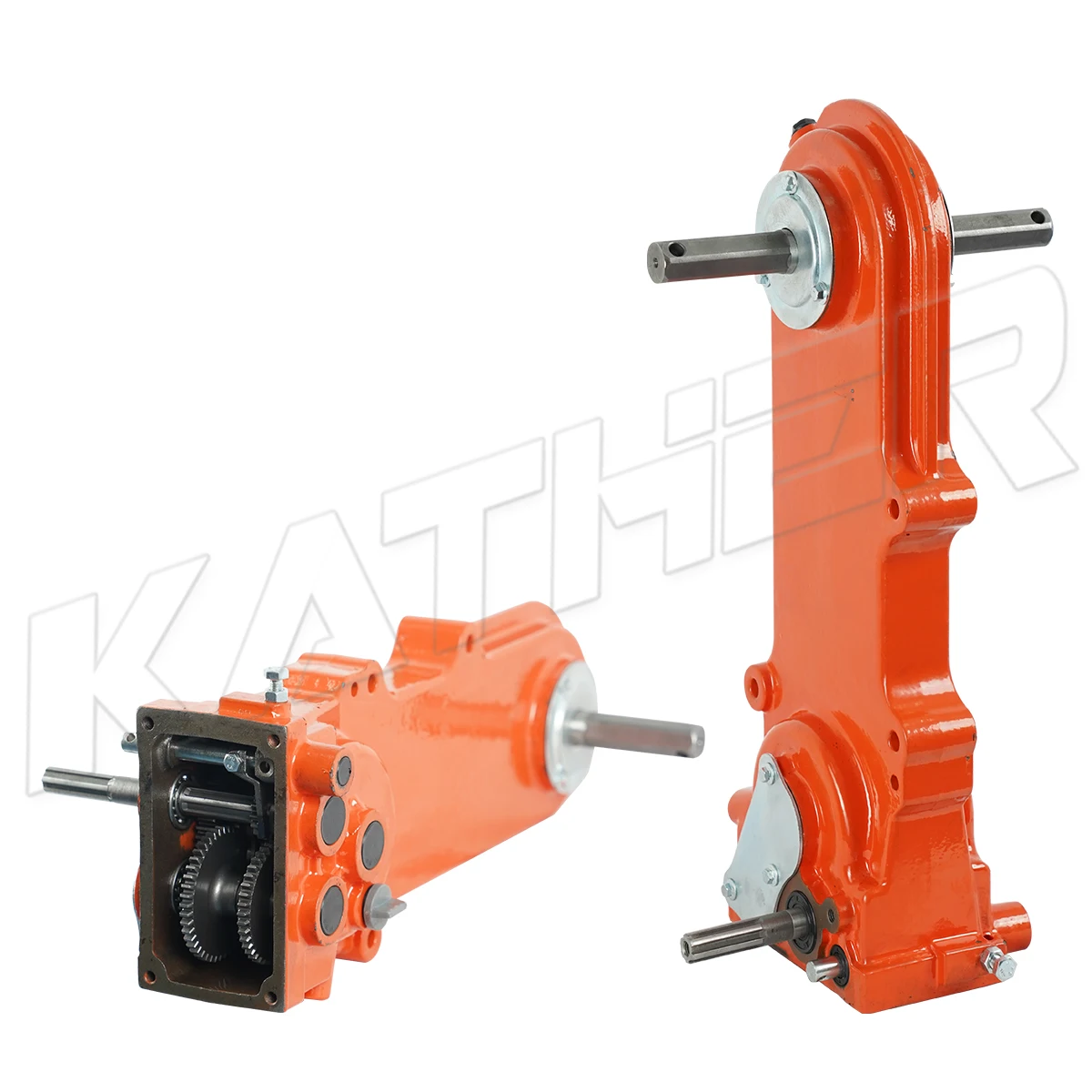
The tiller gearbox transfers engine power to the rotating tines while providing speed reduction and torque multiplication necessary for effective soil penetration. Gearbox reliability depends on maintaining proper lubrication levels, using manufacturer-specified gear oils, and replacing seals before they allow contamination to enter the transmission housing.
Internal gearbox components including gears, bearings, and shafts operate under extreme loads during cultivation, requiring premium lubricants that maintain viscosity across temperature ranges. Regular oil changes every 100 operating hours, combined with seal replacement at first signs of leakage, prevent catastrophic gearbox failures that often cost more than replacing the entire tiller unit.
Drive Belt Maintenance and Selection Criteria
Drive belts connect engine output to tiller transmission systems, transferring power while accommodating slight misalignments and providing overload protection through controlled slippage. Quality drive belts feature reinforced construction that resists stretching, cracking, and heat damage common in agricultural applications where debris and varying loads challenge component durability.
Belt inspection reveals early warning signs including fraying, glazing, and dimensional changes that indicate approaching failure, allowing planned replacement before complete breakdown occurs. Maintaining proper belt tension according to manufacturer specifications ensures optimal power transfer while preventing premature bearing wear in both engine and transmission components.
Cultivation System Components
Tine Assemblies and Soil Engagement Elements
Tiller tines directly contact soil during cultivation operations, experiencing extreme wear from abrasion, impact, and corrosive conditions that gradually reduce their effectiveness. High-quality tines maintain sharp edges and proper geometry longer, delivering superior soil preparation results while reducing engine load and fuel consumption throughout their service life.
Tine wear patterns indicate soil conditions, operating techniques, and replacement timing, with rounded edges and shortened length signaling diminished performance. Replacing individual worn tines maintains balanced operation and prevents excessive vibration that can damage other tiller components including engine mounts, transmission housing, and handle assemblies.
Depth Control and Adjustment Mechanisms
Depth control systems enable operators to adjust tiller penetration according to soil conditions, crop requirements, and seasonal cultivation needs. Reliable depth control mechanisms feature corrosion-resistant materials, positive locking systems, and smooth adjustment ranges that accommodate varying field conditions without binding or slipping during operation.
Worn depth control components cause inconsistent cultivation results, requiring constant operator attention and reducing overall efficiency. Regular lubrication of pivot points, adjustment of control cables, and replacement of worn hardware ensures precise depth control throughout the machine's operational life.
Handle and Control System Maintenance
Control Cable Systems and Safety Features
Control cables transmit operator inputs to engine throttle, transmission engagement, and safety shutdown systems, requiring smooth operation for effective tiller control. Quality control cables feature protective housings, corrosion-resistant materials, and proper routing that prevents binding, kinking, or premature failure during normal operation.
Cable maintenance includes regular lubrication, inspection for fraying or corrosion, and adjustment to maintain proper control response. Replacing worn cables before complete failure ensures operator safety and prevents situations where loss of control could result in property damage or personal injury.
Handle Assembly and Vibration Dampening
Handle assemblies provide operator control while isolating harmful vibrations that cause fatigue and reduce operational precision. Quality handle systems incorporate vibration dampening materials, ergonomic grips, and adjustable positioning that accommodates different operator heights and working conditions.
Handle wear typically manifests as loose joints, cracked dampening materials, or bent components that compromise operator comfort and control precision. Regular inspection and maintenance of handle assemblies ensures safe, comfortable operation while preventing fatigue-related accidents during extended cultivation sessions.
Fuel and Cooling System Components
Fuel System Maintenance and Component Replacement
Fuel system reliability directly impacts tiller starting, performance, and operational continuity, making fuel filter, fuel lines, and carburetor components critical for machine longevity. Clean fuel systems prevent contamination from reaching engine internals while ensuring consistent fuel delivery across varying operating conditions and fuel quality scenarios.
Fuel system maintenance includes regular filter replacement, fuel line inspection, and carburetor cleaning to prevent varnish buildup and contamination issues. Quality fuel system components resist ethanol-related degradation while maintaining proper fuel flow and mixture ratios essential for optimal engine performance.
Cooling System Efficiency and Airflow Management
Cooling systems prevent engine overheating during demanding cultivation operations, utilizing air-cooled designs that rely on clean fins, unrestricted airflow, and proper shrouding for heat dissipation. Effective cooling system maintenance prevents thermal damage that can destroy engines within minutes of overheating occurrence.
Cooling system inspection reveals debris accumulation on cooling fins, damaged shrouds, or blocked air passages that reduce cooling efficiency. Regular cleaning and component replacement ensure adequate heat dissipation during peak operating conditions when ambient temperatures and workload combine to challenge cooling system capacity.
FAQ
How often should I replace major tiller components to prevent unexpected failures?
Replace air filters every 50-100 operating hours depending on conditions, spark plugs annually or every 100 hours, and drive belts when showing signs of wear such as fraying or glazing. Tines should be replaced when edges become rounded or length is reduced by more than 25 percent, while gearbox oil changes every 100 hours prevent transmission failures.
What are the warning signs that indicate immediate tiller part replacement is necessary?
Immediate replacement becomes necessary when you notice hard starting, excessive vibration, unusual noises, reduced power output, or visible component damage such as cracked belts, worn tines, or leaking seals. Any safety-related components including control cables, handles, or emergency stops should be replaced immediately upon showing wear or malfunction.
Can I extend tiller component life through specific maintenance practices?
Yes, proper maintenance significantly extends component life through regular cleaning, appropriate lubrication, correct storage practices, and operating within manufacturer specifications. Avoiding overload conditions, maintaining proper adjustments, and addressing minor issues before they become major problems can double or triple component service life.
Which tiller parts provide the best return on investment when upgraded to premium components?
Premium tines, high-quality drive belts, and superior air filtration systems typically provide the best return on investment through extended service life and improved performance. These components directly impact operational efficiency and reliability, making quality upgrades cost-effective over the machine's lifetime compared to frequent replacement of standard components.
Table of Contents
- Critical Engine Components for Tiller Longevity
- Transmission and Drive System Essentials
- Cultivation System Components
- Handle and Control System Maintenance
- Fuel and Cooling System Components
-
FAQ
- How often should I replace major tiller components to prevent unexpected failures?
- What are the warning signs that indicate immediate tiller part replacement is necessary?
- Can I extend tiller component life through specific maintenance practices?
- Which tiller parts provide the best return on investment when upgraded to premium components?