
 EN
EN
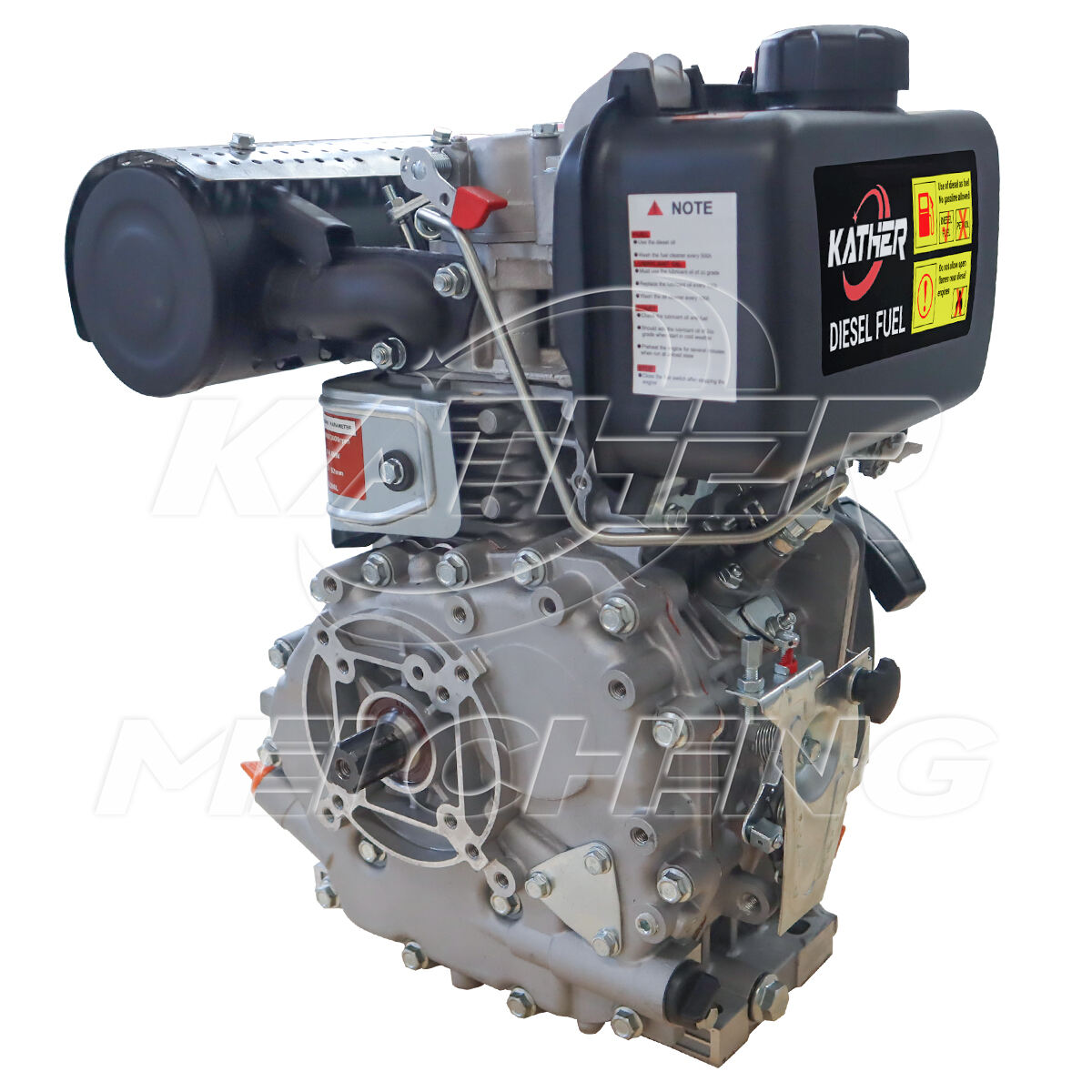
Modern farming operations face unprecedented challenges when power outages strike, threatening livestock, crop storage, irrigation systems, and critical farm infrastructure. Emergency backup power has evolved from a luxury to an absolute necessity for agricultural businesses that cannot afford downtime. Whether caused by severe weather, grid failures, or equipment malfunctions, power interruptions can result in devastating financial losses, compromised animal welfare, and spoiled harvests that represent months of hard work and investment.
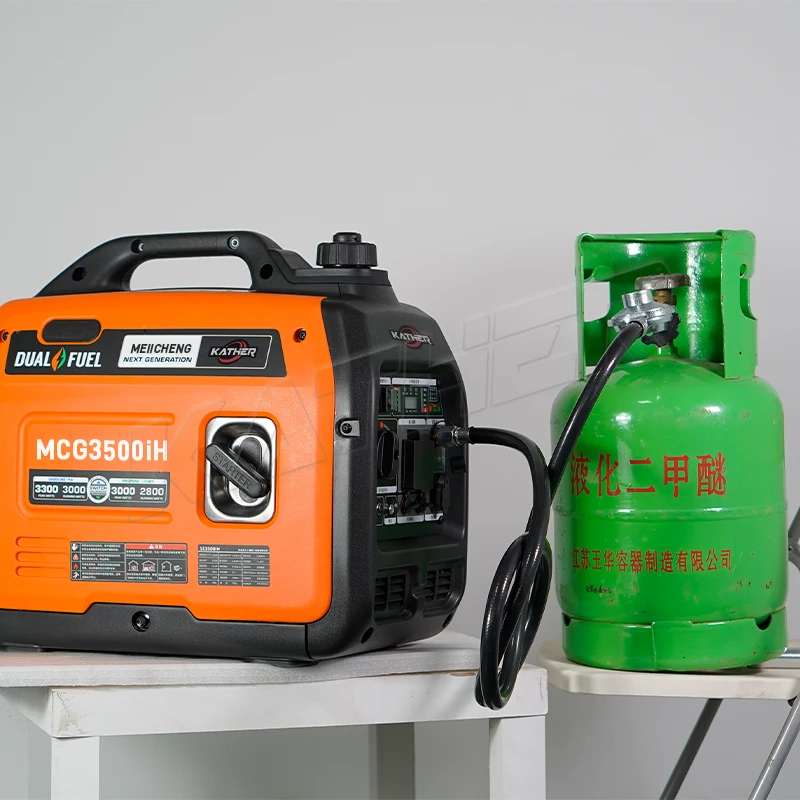
Diesel and gasoline inverter generators represent the most reliable solution for farm emergency backup power, offering the durability, fuel efficiency, and power output needed to maintain essential operations during outages. Unlike traditional generators, inverter models with robust diesel engine technology provide clean, stable electricity that protects sensitive electronic equipment while delivering the sustained performance required for extended emergency situations. Understanding why every farm needs this backup power capability requires examining the critical vulnerabilities that power outages create and the unique advantages that modern inverter generators provide for agricultural applications.
Critical Farm Operations That Require Uninterrupted Power
Livestock Care and Animal Welfare Systems
Farm animals depend on consistent power for ventilation systems, automated feeding equipment, water pumps, and climate control mechanisms that maintain their health and productivity. Dairy operations require continuous power for milking systems, cooling tanks, and refrigeration units that preserve milk quality and prevent significant financial losses. Poultry farms rely on ventilation fans, heating systems, and automated feeding mechanisms that directly impact bird survival rates during extreme weather conditions.
Swine operations need power for farrowing house heating, ventilation controls, and water circulation systems that prevent disease outbreaks and maintain optimal growing conditions. A reliable diesel engine generator ensures these critical systems continue operating during power failures, protecting livestock investments and maintaining animal welfare standards required by regulations and industry best practices.
Crop Storage and Preservation Infrastructure
Grain storage facilities require continuous power for aeration fans, moisture control systems, and temperature monitoring equipment that prevent spoilage and maintain crop quality during extended storage periods. Refrigerated storage for fruits, vegetables, and specialty crops depends on uninterrupted power to maintain precise temperature and humidity levels that preserve freshness and prevent devastating losses.
Processing facilities on farms need consistent power for washing, sorting, and packaging equipment that ensures products meet quality standards and regulatory requirements. Emergency backup power with a dependable diesel engine maintains these critical preservation systems, protecting harvests from spoilage and ensuring farmers can fulfill contractual obligations to buyers and distributors.
Irrigation and Water Management Systems
Modern irrigation systems rely on electric pumps, control systems, and automated scheduling equipment that optimize water distribution and prevent crop stress during critical growing periods. Power outages during drought conditions or peak growing seasons can cause irreversible crop damage that impacts entire harvest yields and threatens farm viability.
Water well pumps, pressure systems, and distribution networks require consistent power to maintain adequate water supply for livestock, crop irrigation, and facility operations. Emergency backup generators with reliable diesel engine technology ensure these essential water systems continue functioning during extended outages, preventing crop losses and maintaining farm productivity regardless of grid reliability issues.
Financial Impact of Power Outages on Agricultural Operations
Direct Economic Losses from Equipment Downtime
Power outages create immediate financial impacts through spoiled products, compromised livestock welfare, and disrupted processing operations that cannot be easily recovered or replaced. Dairy farms face particularly severe losses when milking systems fail and refrigeration units stop functioning, potentially requiring the disposal of entire milk production cycles worth thousands of dollars.
Greenhouse operations experience rapid crop damage when heating, cooling, and ventilation systems fail during extreme weather conditions, potentially destroying entire growing cycles that represent months of investment and planning. A dependable diesel engine backup system prevents these catastrophic losses by maintaining critical systems during outages, protecting farm investments and ensuring operational continuity.
Indirect Costs and Long-term Business Impact
Extended power outages damage farm reputation with customers, suppliers, and regulatory agencies that expect consistent product quality and delivery schedules. Missed delivery deadlines, compromised product quality, and failed contractual obligations create long-term business relationships problems that extend far beyond the immediate outage duration.
Insurance claims, regulatory compliance issues, and potential legal liabilities arise from power-related failures that compromise food safety, animal welfare, or environmental protection standards. Emergency backup power systems with robust diesel engine reliability help farms maintain compliance standards and avoid costly regulatory penalties or legal challenges that threaten business viability.
Opportunity Costs and Market Position
Farms without reliable backup power lose competitive advantages when outages prevent them from fulfilling orders while competitors with generator systems continue normal operations. Market opportunities, seasonal pricing advantages, and customer relationships suffer when farms cannot guarantee consistent product availability during critical periods.
Investment recovery timelines extend significantly when power outages disrupt production schedules, delay equipment upgrades, and force emergency repairs that could have been prevented with adequate backup power planning. Reliable diesel engine generators protect these investments and ensure farms maintain their competitive market position regardless of grid reliability challenges.
Advantages of Diesel and Gasoline Inverter Generator Technology
Fuel Efficiency and Extended Runtime Capabilities
Diesel engine generators offer superior fuel efficiency compared to gasoline alternatives, providing longer runtime periods on equivalent fuel quantities and reducing the frequency of refueling during extended outages. This efficiency advantage becomes particularly important during widespread power failures when fuel availability may be limited and transportation access restricted.
Modern inverter technology optimizes fuel consumption by automatically adjusting engine speed based on electrical load demands, further extending runtime capabilities and reducing operational costs during emergency situations. Gasoline options provide easier fuel availability and lower initial investment costs while maintaining the clean power output and efficiency benefits that inverter technology delivers for sensitive farm equipment protection.
Clean Power Output for Sensitive Electronic Equipment
Inverter generators produce clean, stable electricity with minimal harmonic distortion that safely powers computerized farm management systems, automated controls, and sensitive monitoring equipment without risk of damage or malfunction. Traditional generators often produce power fluctuations that can damage electronic components and compromise data integrity in modern farm management systems.
The stable power output from inverter technology ensures that variable frequency drives, computerized feeding systems, and automated climate controls continue operating correctly during emergency situations. This reliability protects valuable electronic investments and maintains the sophisticated automation systems that modern farms depend on for efficient operations and accurate monitoring capabilities.
Quiet Operation and Environmental Considerations
Modern inverter generators operate significantly quieter than traditional generator designs, reducing noise pollution concerns for farm workers, neighboring properties, and livestock that may be sensitive to loud mechanical sounds during stressful emergency situations. Quiet operation also enables continuous use during nighttime hours without disturbing rest periods or violating local noise ordinances.
Advanced diesel engine designs meet strict emission standards while providing the power output and reliability required for emergency farm applications. Environmental responsibility considerations align with sustainable farming practices and regulatory compliance requirements that increasingly emphasize reduced emissions and noise pollution in agricultural operations.
Selection Criteria for Farm Backup Generator Systems
Power Output Requirements and Load Analysis
Determining appropriate generator capacity requires comprehensive analysis of essential farm electrical loads, including startup surge requirements for motors, pumps, and compressors that may require significantly higher initial power than their running loads. Professional load calculations ensure generator systems can handle peak demand situations without overloading or damaging connected equipment.
Priority load identification helps farms select appropriately sized generators that focus on essential systems rather than attempting to power entire facilities during emergency situations. Strategic load management with transfer switches enables farms to maintain critical operations while staying within generator capacity limits and optimizing fuel efficiency during extended outages.
Fuel Type Considerations and Availability
Diesel engine generators offer advantages in rural areas where diesel fuel is readily available through agricultural suppliers and typically stored on farms for other equipment operations. Diesel fuel has longer storage life and better energy density compared to gasoline, making it ideal for emergency preparedness situations where generators may sit unused for extended periods.
Gasoline generators provide easier starting in cold weather conditions and lower initial purchase costs, making them attractive for smaller farm operations or backup applications where extended runtime is less critical. Dual-fuel capabilities in some generator models offer flexibility to use either gasoline or propane, providing fuel options based on availability and storage preferences for different farm situations.
Maintenance Requirements and Service Accessibility
Regular maintenance schedules for diesel engine systems require consideration of local service availability, parts accessibility, and farm staff technical capabilities for routine upkeep and emergency repairs. Reliable generators need consistent maintenance to ensure they start and operate correctly during emergency situations when dependability is most critical.
Warranty coverage, service network availability, and technical support capabilities influence long-term ownership costs and system reliability for farm backup power applications. Generator selection should prioritize manufacturers with established service networks and readily available parts to minimize downtime risks and ensure prompt emergency repairs when needed most.
FAQ
How long can a diesel engine generator run continuously during a farm emergency?
Most quality diesel engine generators can run continuously for 8-12 hours on a single fuel tank, with some larger units capable of 24-48 hour runtime depending on load requirements and fuel capacity. Continuous operation is possible with proper maintenance intervals and fuel replenishment, making diesel generators ideal for extended outages that may last several days during severe weather events or major grid failures.
What size generator does a typical dairy farm need for emergency backup power?
Dairy farms typically require 15-50 kW backup generators depending on herd size, milking system complexity, and cooling equipment requirements. Essential loads include milking equipment (5-15 kW), bulk milk cooling (10-25 kW), water pumps (2-5 kW), and basic lighting and ventilation (3-8 kW). A professional load analysis ensures proper sizing for each farm's specific requirements and equipment configuration.
Are inverter generators better than traditional generators for sensitive farm electronics?
Yes, inverter generators provide significantly cleaner power with less than 3% total harmonic distortion compared to 8-25% distortion from traditional generators. This clean power output safely operates computerized farm management systems, variable frequency drives, and sensitive monitoring equipment without risk of damage or data corruption. The stable voltage and frequency output from inverter technology makes it essential for modern automated farming operations.
How often should a farm backup generator be tested and maintained?
Farm backup generators should be tested monthly under load for 30-60 minutes to ensure proper operation and identify potential issues before emergency situations arise. Maintenance schedules vary by manufacturer but typically include oil changes every 100-200 hours, filter replacements every 200-500 hours, and annual professional inspections. Regular testing and maintenance prevent generator failures during critical emergency periods when backup power is most needed.
Table of Contents
- Critical Farm Operations That Require Uninterrupted Power
- Financial Impact of Power Outages on Agricultural Operations
- Advantages of Diesel and Gasoline Inverter Generator Technology
- Selection Criteria for Farm Backup Generator Systems
-
FAQ
- How long can a diesel engine generator run continuously during a farm emergency?
- What size generator does a typical dairy farm need for emergency backup power?
- Are inverter generators better than traditional generators for sensitive farm electronics?
- How often should a farm backup generator be tested and maintained?