
 EN
EN
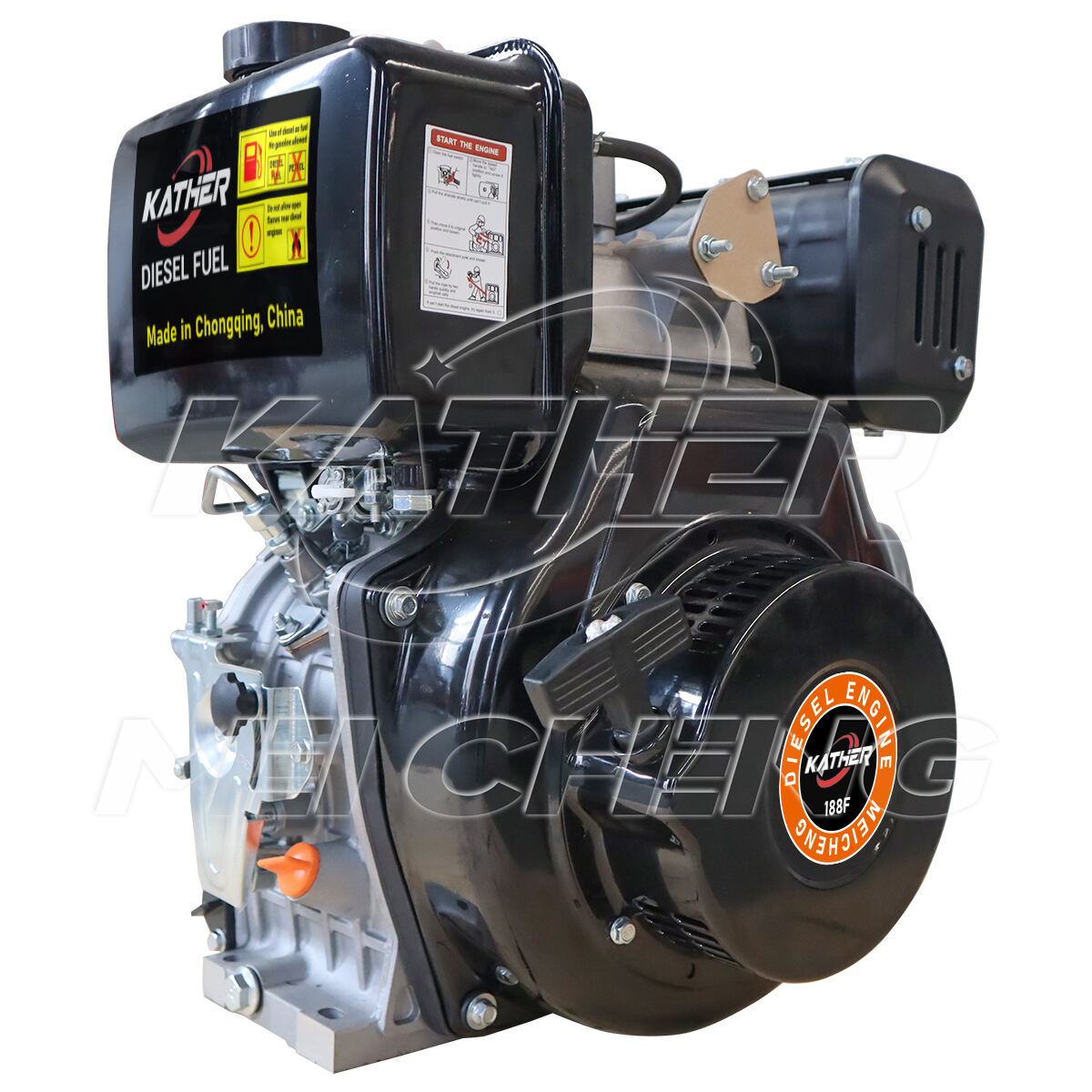
When selecting portable power solutions for outdoor applications, the choice between gasoline inverter generators and diesel generators represents a critical decision that impacts operational efficiency, fuel costs, and long-term reliability. Each power generation technology offers distinct advantages based on your specific outdoor power requirements, usage patterns, and environmental conditions. Understanding the fundamental differences between these two generator types helps ensure you select the most suitable power solution for camping, construction sites, remote work locations, or emergency backup scenarios.
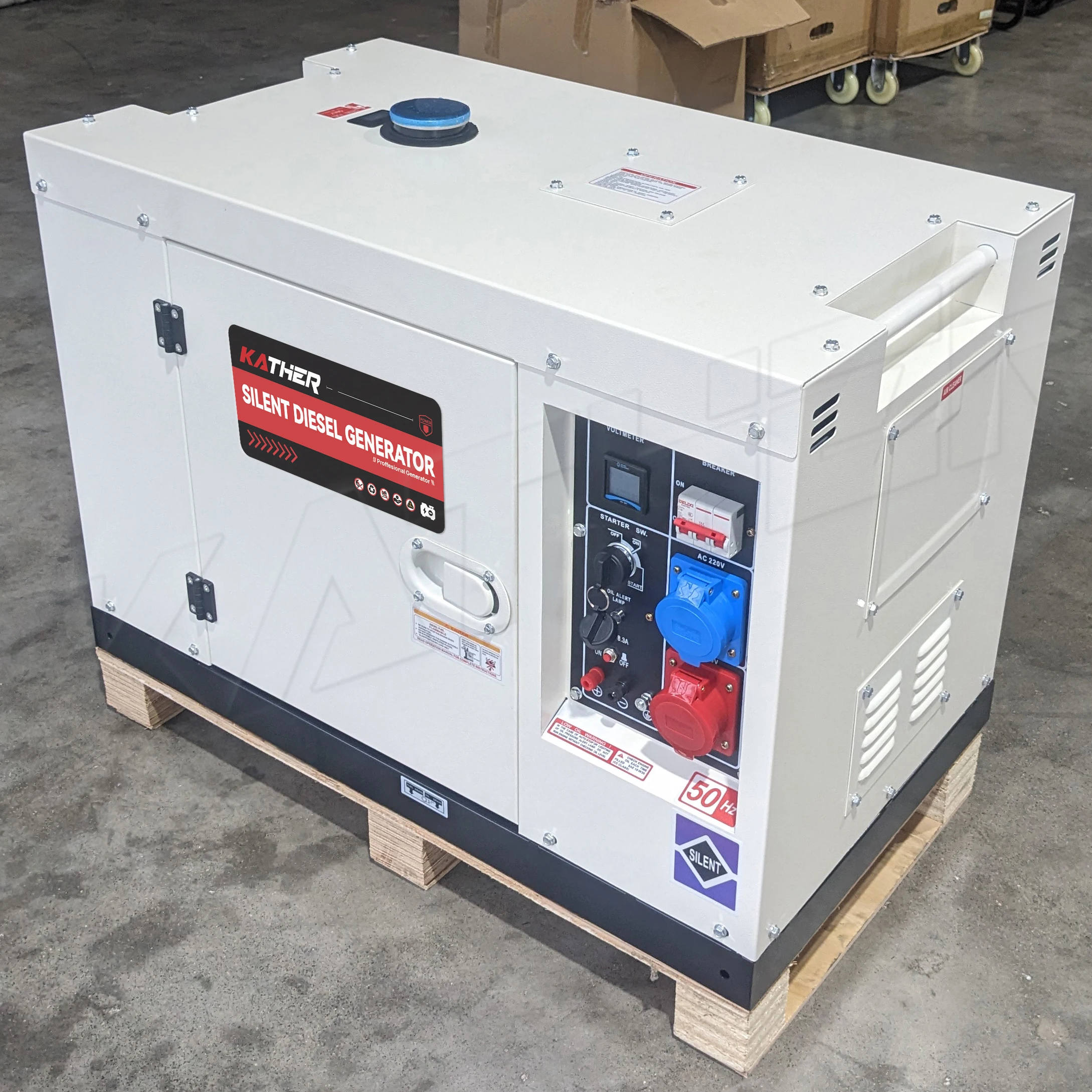
The selection criteria for outdoor generators extend beyond simple power output considerations to encompass fuel efficiency, maintenance requirements, noise levels, and operational durability. Gasoline inverter generators excel in providing clean, stable power for sensitive electronics, while diesel engine generators offer superior fuel economy and extended runtime capabilities. The right choice depends on your specific power demands, portability needs, and the nature of your outdoor applications.
Power Output and Performance Characteristics
Gasoline Inverter Generator Performance
Gasoline inverter generators typically deliver power outputs ranging from 1000 to 7000 watts, with advanced inverter technology that produces clean sine wave electricity suitable for sensitive electronic devices. The inverter technology automatically adjusts engine speed based on electrical load demand, resulting in improved fuel efficiency compared to conventional gasoline generators. These units excel in applications requiring stable voltage and frequency output, making them ideal for powering laptops, smartphones, medical devices, and other sensitive equipment during outdoor activities.
The performance characteristics of gasoline inverter generators include rapid startup capabilities, typically achieving stable power output within seconds of activation. Their lightweight design and compact form factor make them highly portable for camping, tailgating, and recreational vehicle applications. However, gasoline inverter generators generally require more frequent refueling due to smaller fuel tank capacities and higher fuel consumption rates compared to diesel alternatives.
Diesel Generator Power Capabilities
Diesel generators equipped with a robust diesel engine deliver superior power output capabilities, often ranging from 5000 to 50000 watts or more, making them suitable for heavy-duty outdoor applications. The diesel engine design provides exceptional torque characteristics, enabling consistent power delivery even under varying load conditions. This reliability makes diesel generators particularly valuable for construction sites, emergency backup power, and industrial outdoor operations requiring sustained high-power output.
The diesel engine architecture offers remarkable durability and longevity, with many units capable of operating continuously for thousands of hours with proper maintenance. Diesel generators maintain stable voltage and frequency output across their entire power range, though they may require voltage regulators for applications involving sensitive electronics. Their robust construction and powerful diesel engine make them ideal for outdoor environments where reliability and extended runtime are paramount.
Fuel Efficiency and Operating Costs
Gasoline Consumption Patterns
Gasoline inverter generators demonstrate variable fuel consumption based on load demand, typically consuming between 0.5 to 1.5 gallons per hour depending on power output requirements. The inverter technology optimizes engine speed according to electrical load, reducing fuel consumption during periods of lower power demand. However, gasoline prices tend to be higher than diesel fuel, and gasoline has a shorter shelf life, requiring fuel stabilizers for long-term storage in outdoor applications.
The fuel efficiency of gasoline inverter generators makes them economical for short-duration outdoor activities such as weekend camping trips or occasional power outages. Their ability to throttle down during low-load conditions provides significant fuel savings compared to conventional generators. Nevertheless, extended outdoor operations may result in higher cumulative fuel costs due to gasoline pricing and consumption characteristics.
Diesel Engine Fuel Economy
Diesel generators achieve superior fuel efficiency through the inherent characteristics of the diesel engine combustion process, typically consuming 30-50% less fuel than comparable gasoline generators. A diesel engine operates at optimal efficiency across a broader range of load conditions, maintaining consistent fuel consumption rates even during extended outdoor operations. Diesel fuel also offers better energy density, providing more power output per gallon consumed compared to gasoline alternatives.
The long-term operating costs of diesel generators prove advantageous for frequent outdoor power applications due to lower fuel consumption and typically lower diesel fuel prices. Diesel fuel maintains stability for extended periods without degradation, making it ideal for emergency preparedness and seasonal outdoor equipment storage. The diesel engine design also requires less frequent maintenance intervals, further reducing total cost of ownership for outdoor power applications.
Portability and Installation Considerations
Mobility and Transport Requirements
Gasoline inverter generators excel in portability applications, with many models weighing between 40 to 120 pounds and featuring integrated carrying handles or wheel kits. Their compact design and lightweight construction make them easily transportable in pickup trucks, recreational vehicles, or even carried by hand to remote outdoor locations. The quiet operation of inverter technology also makes gasoline units suitable for camping areas with noise restrictions or residential outdoor applications.
The mobility advantages of gasoline inverter generators include quick setup and deployment capabilities, often requiring only fuel addition and simple startup procedures. Their user-friendly controls and automatic features make them accessible for outdoor enthusiasts without extensive technical knowledge. However, their smaller fuel tank capacities may require more frequent fuel transportation and refilling during extended outdoor activities.
Diesel Generator Installation and Setup
Diesel generators typically require more substantial installation considerations due to their heavier construction, with most units weighing between 200 to 1000 pounds or more depending on power output. The robust diesel engine construction necessitates trailer mounting or permanent installation for many outdoor applications. However, this substantial build quality provides exceptional stability and vibration resistance during operation in challenging outdoor environments.
The setup requirements for diesel generators include adequate ventilation for diesel engine exhaust and consideration of noise levels, though modern diesel units incorporate advanced sound attenuation technologies. Their larger fuel tank capacities reduce refueling frequency but require appropriate fuel storage and handling procedures for outdoor applications. The diesel engine design also benefits from warming periods in cold weather conditions, adding to startup considerations for outdoor winter operations.
Environmental and Operational Factors
Weather Resistance and Durability
Gasoline inverter generators incorporate weather-resistant housings and components designed for outdoor exposure, though they may require additional protection during extreme weather conditions. Their electronic inverter components can be sensitive to moisture and temperature fluctuations, necessitating proper storage and protection during extended outdoor deployments. Modern units include automatic shutdown features to protect against overheating and low oil conditions.
The durability characteristics of gasoline inverter generators make them suitable for recreational outdoor applications but may require more careful handling in industrial or construction environments. Their compact design and integrated protective features provide adequate weather resistance for most camping and outdoor recreational activities. However, extended exposure to harsh outdoor conditions may accelerate wear on electronic components and housing materials.
Diesel Engine Environmental Performance
The diesel engine design demonstrates superior performance in extreme outdoor conditions, with robust construction capable of withstanding temperature fluctuations, humidity, and challenging environmental conditions. Diesel generators often feature heavy-duty alternators and control systems designed for continuous outdoor operation. The diesel engine cooling system and air filtration components are specifically engineered for outdoor applications where dust, debris, and varying ambient conditions are common.
Modern diesel generators incorporate advanced emission control systems to minimize environmental impact while maintaining the inherent fuel efficiency of the diesel engine. Their sturdy construction and mechanical simplicity provide reliability advantages in remote outdoor locations where maintenance support may be limited. The diesel engine design also offers superior cold-weather starting capabilities with appropriate cold weather packages and fuel additives.
Application-Specific Selection Criteria
Recreational and Light-Duty Applications
For camping, tailgating, and recreational vehicle applications, gasoline inverter generators provide optimal balance of portability, clean power output, and quiet operation. Their ability to power sensitive electronics while maintaining compact size and weight makes them ideal for outdoor enthusiasts requiring reliable power for lighting, device charging, and small appliances. The clean sine wave output ensures compatibility with modern electronic devices commonly used in outdoor recreational activities.
The user-friendly operation and maintenance requirements of gasoline inverter generators align well with recreational outdoor applications where simplicity and convenience are priorities. Their parallel connection capabilities allow multiple units to be combined for increased power output when needed. However, their limited runtime and frequent refueling requirements may be disadvantageous for extended camping trips or remote outdoor adventures.
Heavy-Duty and Commercial Outdoor Applications
Construction sites, emergency response operations, and industrial outdoor applications benefit significantly from the superior power output and extended runtime capabilities of diesel generators. The robust diesel engine design provides reliable power for heavy equipment, power tools, and industrial machinery commonly used in outdoor commercial applications. Their ability to operate continuously for extended periods makes them essential for applications where power interruption could result in significant operational or safety consequences.
The maintenance intervals and service requirements of diesel generators align with commercial outdoor applications where regular maintenance schedules can be implemented. Their higher initial cost is often justified by superior reliability, longer service life, and lower operating costs for frequent or continuous outdoor power requirements. The diesel engine durability makes these generators suitable for rental fleets and shared equipment applications in outdoor commercial environments.
FAQ
How do fuel costs compare between gasoline inverter generators and diesel generators for outdoor applications?
Diesel generators typically offer 30-50% better fuel economy than gasoline inverter generators, with diesel fuel often costing less per gallon than gasoline. For extended outdoor operations, the diesel engine efficiency advantage results in significantly lower fuel costs. However, for short-duration recreational use, the fuel cost difference may be minimal due to lower total fuel consumption.
Which generator type is better suited for powering sensitive electronics during outdoor activities?
Gasoline inverter generators excel at powering sensitive electronics due to their clean sine wave output and stable voltage regulation. While modern diesel generators can power electronics safely, inverter technology provides superior power quality for laptops, medical devices, and sophisticated electronic equipment. The diesel engine generators may require additional voltage regulation equipment for optimal electronics compatibility.
What are the maintenance requirements differences between these generator types for outdoor use?
Gasoline inverter generators require more frequent oil changes and air filter replacements but have simpler maintenance procedures. Diesel generators have longer maintenance intervals due to the robust diesel engine design but require more specialized service knowledge and replacement parts. Both types benefit from regular maintenance schedules, especially when used frequently in outdoor environments with dust and debris exposure.
How do noise levels compare between gasoline inverter and diesel generators for outdoor applications?
Gasoline inverter generators typically operate at 50-60 decibels, making them significantly quieter than traditional generators and suitable for camping areas with noise restrictions. Modern diesel generators incorporate sound attenuation technology but generally operate at 60-75 decibels due to the diesel engine characteristics. For noise-sensitive outdoor applications, gasoline inverter generators provide a clear advantage in acoustic performance.
Table of Contents
- Power Output and Performance Characteristics
- Fuel Efficiency and Operating Costs
- Portability and Installation Considerations
- Environmental and Operational Factors
- Application-Specific Selection Criteria
-
FAQ
- How do fuel costs compare between gasoline inverter generators and diesel generators for outdoor applications?
- Which generator type is better suited for powering sensitive electronics during outdoor activities?
- What are the maintenance requirements differences between these generator types for outdoor use?
- How do noise levels compare between gasoline inverter and diesel generators for outdoor applications?