 EN
EN
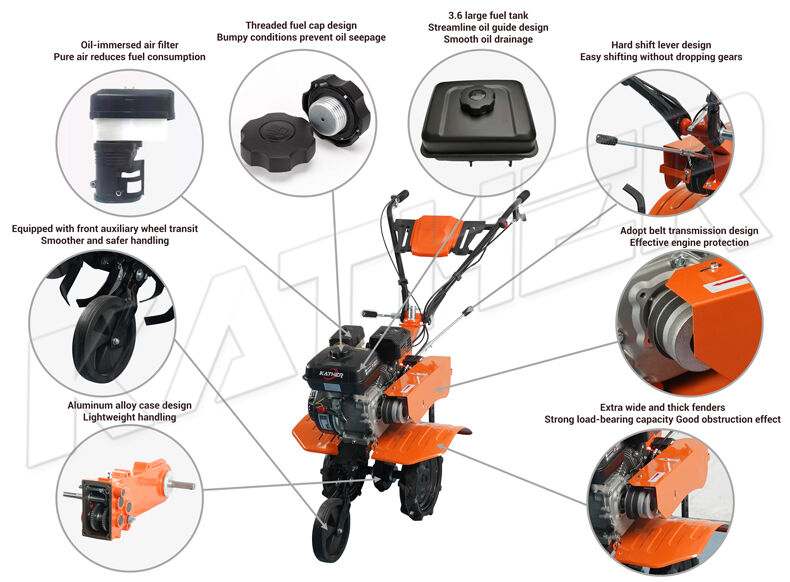
Modern agriculture demands efficient, reliable equipment that can handle diverse soil conditions and farming requirements. A power tiller serves as the backbone of small to medium-scale farming operations, providing the mechanical advantage needed to prepare seedbeds, cultivate crops, and maintain soil health throughout growing seasons. Understanding how to select the right tiller and maintain it with quality spare parts directly impacts farming productivity and long-term operational success.
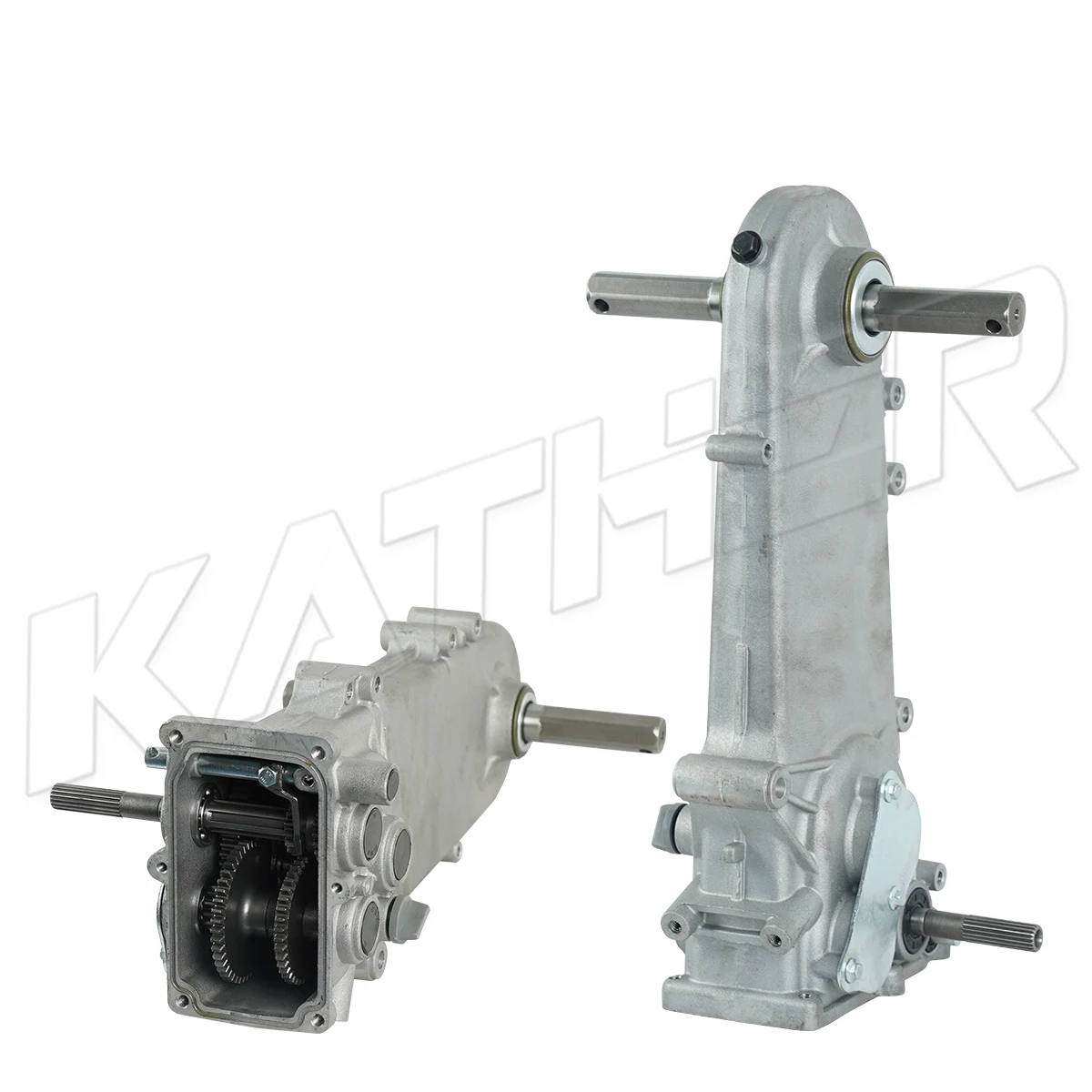
The complexity of tiller selection extends beyond basic horsepower considerations to encompass transmission systems, implement compatibility, fuel efficiency, and spare parts availability. Professional farmers recognize that initial equipment investment represents only a fraction of total ownership costs, making informed decisions about tiller specifications and maintenance planning essential for sustainable farming operations. This comprehensive guide addresses the critical factors that determine tiller performance and provides practical frameworks for evaluating both equipment options and spare parts requirements.
Understanding Power Tiller Types and Applications
Engine Configuration and Power Systems
Power tiller engines fall into distinct categories based on fuel type, displacement, and cooling mechanisms. Gasoline engines typically range from 5 to 15 horsepower, offering quick starting and responsive throttle control that suits variable field conditions. Diesel engines provide superior fuel economy and torque characteristics, making them ideal for continuous operation and heavy soil work. The engine displacement directly correlates with working depth capability and implement carrying capacity.
Air-cooled engines dominate the small tiller market due to their simplicity and reduced maintenance requirements. These systems rely on finned cylinders and forced air circulation to manage operating temperatures. Water-cooled variants offer more consistent thermal management but introduce complexity through radiator systems and coolant circulation pumps. Professional operators must balance thermal efficiency against maintenance accessibility when selecting engine cooling systems.
Four-stroke engines provide cleaner emissions and better fuel efficiency compared to two-stroke alternatives. The combustion cycle characteristics influence power delivery, with four-stroke units offering smoother torque curves and reduced vibration levels. Engine mounting configurations affect weight distribution and operator comfort during extended field operations.
Transmission and Drive Systems
Gear-driven transmissions deliver reliable power transfer with minimal maintenance requirements. These systems utilize reduction gearing to convert high-speed engine output into appropriate wheel speeds for field operations. Forward and reverse capabilities enable efficient maneuvering in confined spaces and row crop applications. Clutch engagement mechanisms allow operators to disconnect drive power while maintaining engine operation for implement control.
Belt-driven systems offer smooth power delivery and natural overload protection through slippage characteristics. However, belt wear and adjustment requirements increase maintenance frequency compared to gear-driven alternatives. The choice between belt and gear transmission affects initial cost, maintenance complexity, and long-term durability expectations.
Differential systems improve turning radius and reduce tire wear during directional changes. Locking differentials provide enhanced traction in challenging soil conditions while maintaining maneuverability benefits during transport operations. Understanding transmission characteristics helps operators match tiller capabilities to specific farming applications and field conditions.
Critical Selection Factors for Farm-Specific Requirements
Soil Type and Field Conditions
Clay soils require higher torque output and robust transmission systems to penetrate compacted layers effectively. A power tiller designed for clay applications typically features deeper tine penetration and reinforced drive components. Sandy soils allow for lighter-duty equipment but may require specialized tines to prevent excessive soil disturbance and erosion issues.
Field size directly influences tiller width selection and operational efficiency. Narrow units excel in row crop cultivation and confined spaces, while wider implements reduce passes required for large field preparation. The relationship between field dimensions and tiller capacity affects fuel consumption, operator fatigue, and seasonal completion timing.
Slope considerations impact engine orientation requirements and stability characteristics. Steep terrain demands engines designed for angled operation and may require specialized carburetor or fuel injection systems. Operator safety becomes paramount when working on inclined surfaces, influencing control layout and emergency stop accessibility.
Implement Compatibility and Versatility
Universal mounting systems enable attachment of diverse implements including plows, harrows, seeders, and cultivation tools. The power take-off capability extends tiller functionality beyond basic soil preparation to include harvesting and processing applications. Hydraulic systems support implement control and positioning, though they add complexity and maintenance requirements.
Three-point hitch compatibility allows integration with established implement inventories from tractor operations. This standardization reduces equipment investment and simplifies operator training requirements. However, the additional weight and complexity may compromise maneuverability in tight spaces where compact tillers excel.
Working width adjustment capabilities accommodate varying row spacings and field configurations. Quick-change systems enable rapid transitions between applications without tool requirements. This flexibility becomes crucial during peak seasonal periods when equipment utilization rates determine operational profitability.
Essential Spare Parts Planning and Maintenance Strategy
Engine Components and Service Items
Engine maintenance revolves around scheduled replacement of air filters, spark plugs, and lubricants according to manufacturer specifications. Air filter condition directly affects engine performance and longevity, particularly in dusty field environments. Quality replacement filters maintain proper airflow while preventing contaminant ingestion that leads to premature wear.
Spark plug selection influences ignition reliability and fuel efficiency. Heat range specifications must match engine compression ratios and operating conditions. Incorrect plug selection causes hard starting, power loss, or pre-ignition damage. Professional operators maintain spare plug inventories to minimize downtime during critical operational periods.
Fuel system components including carburetors, fuel pumps, and filtration elements require periodic service and replacement. Ethanol fuel blends accelerate rubber component degradation, necessitating more frequent carburetor rebuilds. Fuel filter replacement prevents contamination-related injection problems and maintains consistent engine performance throughout operating seasons.
Transmission and Drive Components
Gear oil changes maintain proper lubrication and extend transmission life significantly. Contaminated or degraded oil leads to bearing failure and gear tooth damage that requires expensive repair procedures. Regular oil analysis can identify wear patterns and predict component replacement requirements before catastrophic failure occurs.
Clutch components experience wear through normal engagement cycles and require periodic adjustment and replacement. Clutch disc thickness measurements indicate remaining service life and help schedule maintenance activities. Proper clutch adjustment ensures smooth engagement and prevents premature wear of pressure plate and release bearing components.
Drive belt inspection reveals wear patterns that indicate alignment issues or tension problems. Replacement belts must meet original specifications for width, length, and construction materials. Inventory management includes both primary drive belts and implement-specific belts that support various attachments and accessories.
Operational Efficiency and Performance Optimization
Field Speed and Working Parameters
Optimal ground speed balances soil preparation quality with operational efficiency. Excessive speed reduces tine penetration and creates uneven seedbed conditions that compromise crop establishment. Slower speeds improve soil mixing but increase fuel consumption and reduce daily acreage completion rates. Finding the appropriate speed requires consideration of soil moisture, tiller design, and desired tillage objectives.
Working depth adjustment affects soil structure and residue incorporation effectiveness. Shallow cultivation preserves soil moisture and minimizes erosion potential, while deeper work breaks compaction layers and improves root zone preparation. Tiller depth control systems enable rapid adjustment to match changing field conditions without stopping operations.
Implement overlap strategies ensure complete field coverage while minimizing unnecessary soil disturbance. GPS guidance systems help maintain consistent spacing and reduce operator fatigue during long operational periods. Proper overlap management directly impacts fuel efficiency and soil health preservation efforts.
Maintenance Scheduling and Record Keeping
Preventive maintenance schedules based on operating hours prevent unexpected failures and extend equipment life. Hour meter installation enables accurate tracking of service intervals for engines, transmissions, and implement components. Scheduled maintenance costs significantly less than emergency repairs and reduces operational disruptions during critical farming periods.
Maintenance records support warranty claims and help identify patterns that indicate design limitations or operational issues. Digital record keeping enables analysis of maintenance costs versus equipment utilization rates. This data supports replacement timing decisions and helps justify equipment upgrade investments.
Spare parts inventory management balances carrying costs against downtime risks. Critical components with long lead times require advance ordering to prevent extended operational delays. Local dealer relationships ensure rapid access to common service items while manufacturer direct ordering provides access to specialized components and technical support.
FAQ
What factors determine the appropriate tiller size for my farming operation?
Tiller size selection depends on field acreage, soil conditions, available operating time, and implement requirements. Calculate daily acreage needs based on seasonal windows and working speed capabilities. Consider soil compaction levels and required working depth to ensure adequate power reserves. Evaluate transport requirements and storage space limitations that may restrict maximum unit dimensions.
How often should I replace major tiller components like clutches and transmission parts?
Clutch replacement intervals typically range from 500 to 1500 operating hours depending on engagement frequency and load conditions. Monitor clutch slip and engagement smoothness to identify wear progression. Transmission components generally last 2000 to 3000 hours with proper maintenance, though heavy-duty applications may require earlier service. Track operating conditions and maintenance quality to establish operation-specific replacement schedules.
Can I use aftermarket spare parts without compromising tiller performance?
Quality aftermarket parts often provide equivalent performance at reduced cost compared to original equipment components. Verify that replacement parts meet original specifications for dimensions, materials, and performance ratings. Critical safety components like clutches and steering parts warrant original equipment quality to maintain operational safety. Engine components benefit from manufacturer-approved specifications to preserve warranty coverage and emissions compliance.
What storage and winterization procedures protect my tiller during off-season periods?
Proper winterization begins with thorough cleaning to remove soil debris and crop residues that retain moisture and promote corrosion. Drain fuel systems or add stabilizer to prevent carburetor varnish formation during extended storage. Change engine oil before storage to remove contaminants and provide fresh lubrication for startup. Store in dry conditions with battery disconnection and periodic starting to maintain mechanical systems.
Table of Contents
- Understanding Power Tiller Types and Applications
- Critical Selection Factors for Farm-Specific Requirements
- Essential Spare Parts Planning and Maintenance Strategy
- Operational Efficiency and Performance Optimization
-
FAQ
- What factors determine the appropriate tiller size for my farming operation?
- How often should I replace major tiller components like clutches and transmission parts?
- Can I use aftermarket spare parts without compromising tiller performance?
- What storage and winterization procedures protect my tiller during off-season periods?