
 EN
EN
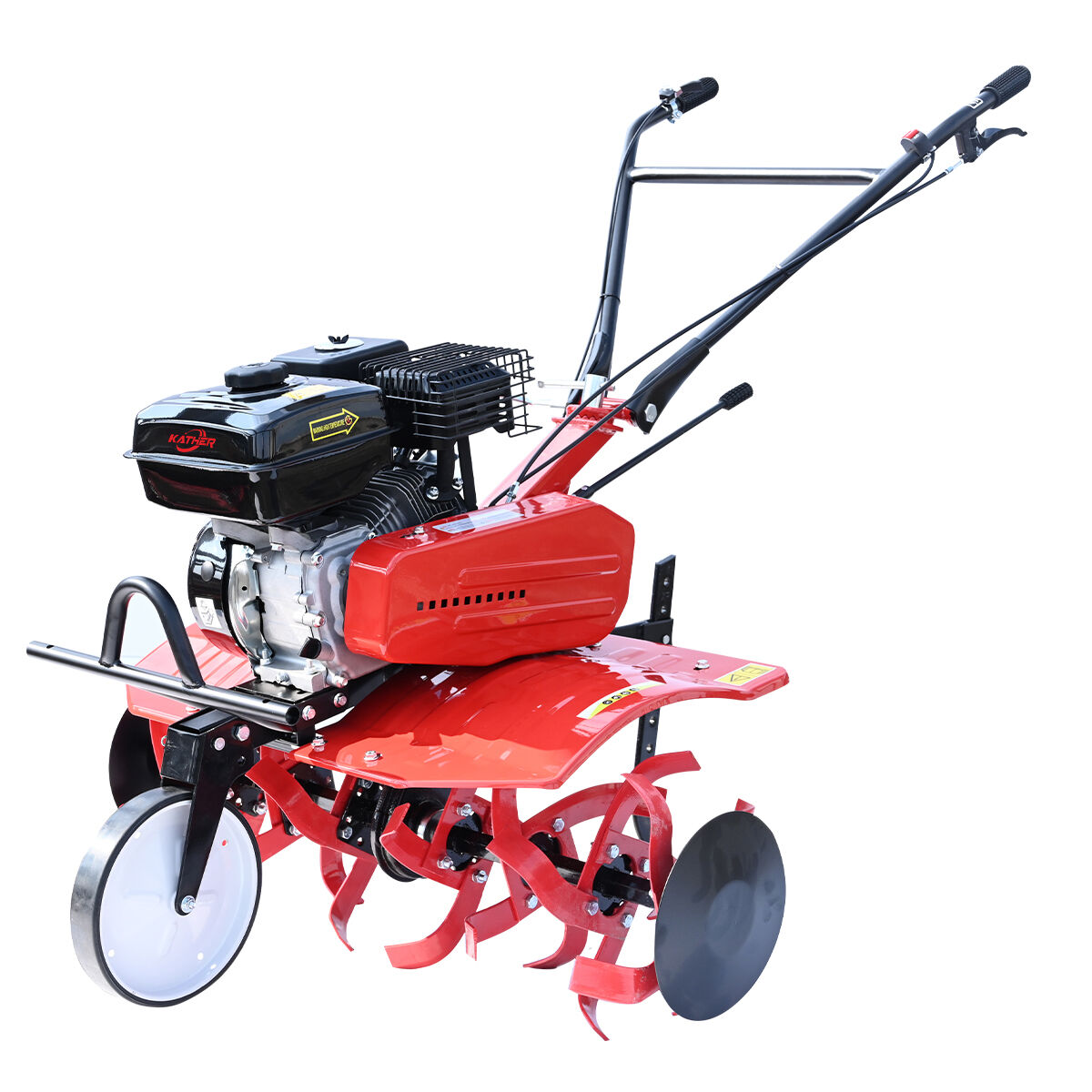
Modern agricultural practices and home gardening have evolved significantly with the advancement of mechanized equipment, particularly with the widespread adoption of power tillers. These versatile machines have revolutionized soil preparation across various scales of farming operations, from small backyard gardens to expansive commercial agricultural enterprises. The importance of selecting the appropriate tiller cannot be overstated, as it directly impacts soil health, crop productivity, and operational efficiency. Whether you are a weekend gardener tending to a modest vegetable patch or a commercial farmer managing hundreds of acres, understanding the nuances of tiller selection is crucial for achieving optimal results.
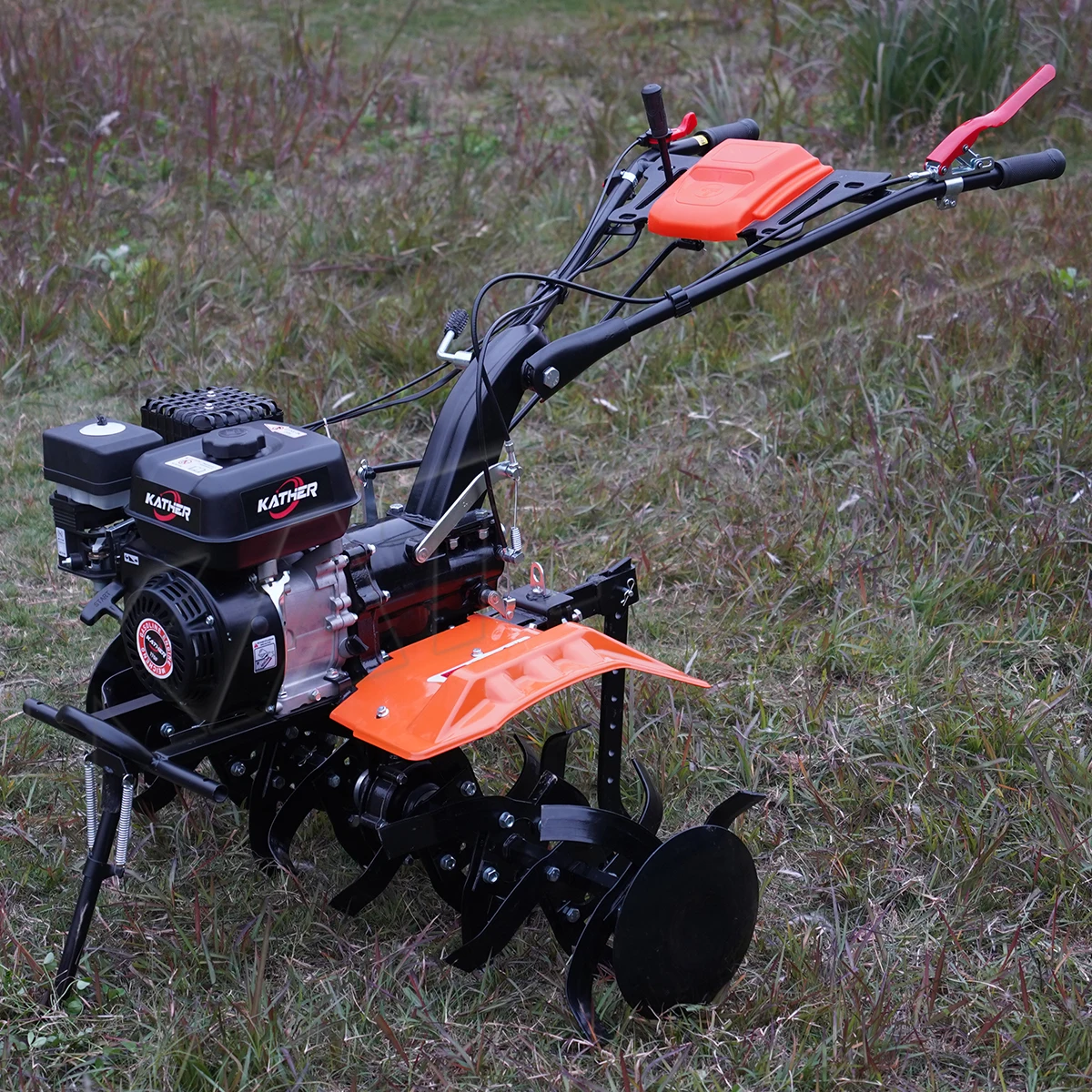
Understanding Different Types of Power Tillers
Mini Garden Tillers for Small-Scale Applications
Mini garden tillers represent the entry-level category of mechanized soil cultivation equipment, specifically designed for homeowners and small-scale gardening enthusiasts. These compact machines typically feature lightweight construction, ranging from 20 to 40 pounds, making them highly maneuverable in confined spaces. The engine displacement usually falls between 35cc to 65cc, providing sufficient power for breaking up moderately compacted soil and mixing organic matter into garden beds. The working width of a mini tiller generally spans 6 to 12 inches, making them ideal for established flower beds, vegetable gardens, and landscaping projects where precision is more important than coverage speed.
The design philosophy behind mini garden tillers emphasizes user-friendliness and versatility rather than raw power. Most models incorporate adjustable tilling depth controls, allowing operators to customize the cultivation depth based on specific soil conditions and crop requirements. The tines on these smaller units are typically designed with a forward-rotating configuration, which helps pull the machine forward while simultaneously breaking up soil clods and integrating amendments. This makes the mini tiller an excellent choice for gardeners who prioritize ease of use and storage convenience over maximum productivity.
Mid-Range Tillers for Suburban and Small Farm Applications
Mid-range tillers bridge the gap between compact garden units and heavy-duty agricultural machinery, offering increased power and versatility for more demanding cultivation tasks. These machines typically feature engine displacements ranging from 150cc to 250cc, providing substantially more torque and cutting capability compared to their smaller counterparts. The working width generally extends from 14 to 20 inches, enabling operators to cover larger areas more efficiently while maintaining reasonable maneuverability in moderately sized plots.
The construction quality of mid-range tillers often incorporates more robust components, including reinforced transmission systems, heavier-duty tines, and improved vibration dampening features. Many models in this category offer both forward and reverse tine rotation options, with reverse-rotating tines providing superior soil pulverization and mixing capabilities. The increased weight and stability of these units make them particularly effective for breaking new ground, incorporating cover crops, and preparing seedbeds in challenging soil conditions. For suburban homeowners with larger properties or small-scale farmers managing up to five acres, a mid-range tiller often represents the optimal balance between capability and cost-effectiveness.
Heavy-Duty Agricultural Tillers for Commercial Operations
Features and Specifications of Professional-Grade Equipment
Professional-grade tillers designed for commercial agricultural operations represent the pinnacle of soil cultivation technology, incorporating advanced engineering principles to handle the most demanding field conditions. These machines typically feature engine displacements exceeding 300cc, with some models reaching 500cc or more, generating the substantial power required to work through heavily compacted soils, clay substrates, and fields with significant organic debris. The working width of commercial tillers commonly ranges from 24 to 36 inches, with some specialized models extending even wider to maximize field coverage and operational efficiency.
The transmission systems in professional-grade tillers are engineered for durability and precise control, often featuring multiple speed settings for both forward and reverse operations. Advanced models incorporate differential locking mechanisms, allowing operators to maintain traction and control in challenging terrain conditions. The tine systems on these machines are typically modular and replaceable, with various configurations available for specific soil types and cultivation objectives. Heat-treated steel construction ensures longevity under intensive use, while precision-balanced rotating assemblies minimize vibration and operator fatigue during extended operation periods.
Matching Tiller Capacity to Farm Size and Soil Conditions
Selecting the appropriate tiller capacity requires careful consideration of multiple factors, including total acreage, soil composition, topography, and intended cropping systems. For farms ranging from 10 to 50 acres, a heavy-duty tiller with working widths between 24 to 30 inches typically provides optimal productivity without excessive capital investment. The key consideration lies in matching the machine's power output to the soil's resistance characteristics, ensuring adequate penetration depth while maintaining reasonable ground speed for efficient field coverage.
Soil composition plays a crucial role in determining the appropriate tiller specifications, as different soil types present varying levels of resistance to mechanical cultivation. Clay soils, with their high cohesion and plasticity when moist, require tillers with substantial torque reserves and aggressive tine configurations to achieve effective breakup and mixing. Sandy soils, while easier to penetrate, may require different tine geometries to prevent excessive pulverization and maintain soil structure integrity. Loamy soils generally present moderate resistance levels, allowing for a broader range of tiller options while still achieving satisfactory cultivation results.
Maintenance and Parts Consideration
Essential Replacement Parts and Service Intervals
Proper maintenance of tiller equipment requires a comprehensive understanding of wear patterns and replacement part availability, as these factors significantly impact long-term operational costs and machine reliability. The most commonly replaced components include tines, which experience continuous wear from soil abrasion and impact with rocks and debris. High-quality replacement tines should maintain the original geometry and metallurgical properties to ensure consistent performance and soil cultivation effectiveness. The frequency of tine replacement varies considerably based on soil conditions, operating hours, and maintenance practices, but typically ranges from 50 to 200 hours of operation.
Engine maintenance components represent another critical category of replacement parts, including air filters, spark plugs, oil filters, and fuel system components. The harsh operating environment of agricultural tiller applications accelerates the degradation of these components, making adherence to manufacturer-specified service intervals essential for maintaining optimal performance and preventing costly engine failures. Transmission and gear box maintenance requires periodic fluid changes and seal replacements, particularly in machines subjected to heavy-duty commercial use where component stress levels are consistently elevated.
Sourcing Quality Parts for Different Tiller Brands
The availability and quality of replacement parts varies significantly between different tiller manufacturers, making this an important consideration during the initial equipment selection process. Established manufacturers typically maintain comprehensive parts distribution networks, ensuring reasonable availability of both common wear items and specialized components. However, the cost differential between original equipment manufacturer parts and aftermarket alternatives can be substantial, requiring careful evaluation of quality versus cost considerations.
Generic replacement parts can offer significant cost savings for certain components, particularly for items like belts, filters, and basic hardware. However, critical wear components such as tines, transmission gears, and engine internal parts should generally utilize original specifications to maintain performance standards and warranty coverage. The economic analysis of parts sourcing should consider not only the initial purchase price but also the expected service life, availability lead times, and potential impact on overall machine reliability and productivity.
Seasonal Usage Patterns and Storage Requirements
Optimizing Tiller Performance Throughout Growing Seasons
The seasonal utilization patterns of tiller equipment vary significantly based on geographic location, cropping systems, and specific agricultural practices employed. In temperate climates, primary tillage operations typically concentrate in spring months when soil moisture conditions reach optimal levels for mechanical cultivation. The timing of these operations requires careful coordination with weather patterns, as working soils that are too wet can result in compaction and structural damage, while overly dry conditions may create excessive dust and inadequate soil pulverization.
Secondary cultivation operations using tiller equipment often extend throughout the growing season, particularly in vegetable production systems where periodic cultivation helps control weeds and maintain soil tilth between crop rows. The intensity and frequency of these operations depend on crop type, weed pressure, and irrigation management practices. Understanding these usage patterns helps optimize equipment selection, ensuring that the chosen tiller has adequate capacity for peak demand periods while avoiding over-investment in machinery that may remain underutilized during certain seasons.
Proper Storage and Winterization Procedures
Extended storage periods require comprehensive preparation procedures to prevent deterioration and ensure reliable startup when equipment is returned to service. Engine winterization represents the most critical aspect of seasonal storage, involving complete fuel system treatment to prevent gum formation and water contamination issues. The carburetor should be drained or treated with stabilizing compounds, while the fuel tank requires either complete emptying or treatment with appropriate preservatives to maintain fuel quality throughout the storage period.
Mechanical components require thorough cleaning and protective treatment to prevent corrosion during storage periods. All exposed metal surfaces should be cleaned of soil residue and treated with appropriate rust preventatives, while moving parts benefit from light oil application to maintain lubrication film integrity. The storage environment should provide protection from moisture and temperature extremes, with periodic inspection recommended to identify any developing issues before they progress to costly repair requirements. Proper storage procedures significantly extend equipment life and reduce the likelihood of operational delays during critical planting and cultivation periods.
Technology Integration and Modern Features
Electronic Controls and Monitoring Systems
Modern tiller technology increasingly incorporates electronic control systems that enhance operational precision and user convenience. Advanced models feature electronic fuel injection systems that optimize combustion efficiency across varying load conditions, resulting in improved fuel economy and reduced emissions output. Digital display panels provide real-time monitoring of critical parameters including engine temperature, operating hours, and maintenance interval notifications, enabling proactive maintenance scheduling and preventing costly component failures.
GPS integration capabilities allow for precise field mapping and coverage documentation, particularly valuable for commercial operations where accurate record-keeping supports crop management decisions and regulatory compliance requirements. Some high-end tiller models incorporate variable-rate control systems that automatically adjust cultivation depth and intensity based on predetermined field maps, optimizing soil preparation according to site-specific conditions and crop requirements. These technological enhancements represent significant advances in cultivation efficiency and precision, though they also introduce additional complexity and potential maintenance requirements that must be considered during equipment selection.
Ergonomic Improvements and Operator Comfort
Contemporary tiller design places increased emphasis on operator comfort and ergonomic considerations, recognizing that improved user experience directly correlates with productivity and safety outcomes. Vibration isolation systems utilizing advanced damping materials and designs significantly reduce operator fatigue during extended operation periods. Adjustable handle systems accommodate operators of varying heights and physical characteristics, while improved grip materials and designs enhance control and reduce hand strain during operation.
Noise reduction technologies, including improved muffler designs and engine enclosures, create more comfortable operating environments while reducing environmental impact. Enhanced visibility features, such as improved lighting systems for early morning or evening operations, extend the effective working day and improve safety in low-light conditions. These ergonomic improvements, while potentially increasing initial equipment cost, often provide substantial returns through increased operator productivity, reduced fatigue-related errors, and improved safety records.
Environmental Considerations and Sustainable Practices
Emission Standards and Environmental Impact
Contemporary environmental regulations increasingly impact tiller engine design and operation, with manufacturers required to meet progressively stringent emission standards for both commercial and residential equipment categories. Modern four-stroke engines incorporate advanced combustion chamber designs, precise fuel metering systems, and catalytic exhaust treatment to minimize hydrocarbon, carbon monoxide, and nitrogen oxide emissions. These improvements often result in enhanced fuel efficiency, partially offsetting the additional complexity and cost associated with emission control systems.
The environmental impact of tiller operations extends beyond direct emissions to include considerations of soil health, erosion potential, and ecosystem disruption. Proper tillage practices minimize soil compaction and preserve beneficial soil microorganism populations, while inappropriate use can result in soil structure degradation and increased erosion susceptibility. Understanding these environmental relationships helps operators select appropriate equipment and develop cultivation practices that balance productivity objectives with long-term environmental stewardship responsibilities.
Alternative Power Sources and Future Technologies
The agricultural equipment industry continues exploring alternative power sources for tiller applications, including electric motors, hybrid systems, and alternative fuel engines. Battery-powered tillers offer significant advantages in terms of noise reduction, zero direct emissions, and simplified maintenance requirements, though current battery technology limits their application to smaller-scale operations due to power and runtime constraints. Ongoing developments in battery energy density and charging infrastructure may expand the viability of electric tillers for larger applications in the future.
Hybrid power systems combining internal combustion engines with electric motor assistance represent another promising technological direction, potentially offering improved fuel efficiency and reduced emissions while maintaining the power output required for demanding cultivation tasks. Alternative fuel compatibility, including ethanol blends and biodiesel options, provides additional pathways for reducing the environmental footprint of tiller operations while supporting sustainable fuel production initiatives. These emerging technologies require careful evaluation of performance characteristics, infrastructure requirements, and economic viability relative to conventional power systems.
FAQ
What size tiller do I need for a half-acre garden
For a half-acre garden, a mid-range tiller with a working width of 16 to 20 inches and an engine displacement between 150cc to 200cc would be most appropriate. This size provides sufficient power to handle the soil preparation tasks efficiently while remaining manageable for residential use. The key consideration is matching the tiller capacity to your soil conditions - heavier clay soils may require a more powerful unit, while lighter sandy soils can be effectively worked with smaller machines. Consider models with adjustable depth controls and reverse tine rotation for optimal soil preparation results.
How often should tiller tines be replaced
Tiller tine replacement frequency depends on several factors including soil conditions, usage intensity, and maintenance practices. Under typical residential use in moderate soil conditions, tines may last 100 to 200 hours of operation. Commercial applications in rocky or abrasive soils may require replacement every 50 to 75 hours. Signs that indicate tine replacement needs include excessive wear on cutting edges, bent or damaged tines, and reduced cultivation effectiveness. Regular inspection after every 25 hours of operation helps identify wear patterns and plan replacement timing to avoid operational delays during critical planting periods.
Can I use a garden tiller on wet soil
Operating a tiller on wet soil is generally not recommended as it can cause soil compaction, create clumpy conditions, and potentially damage both the soil structure and the equipment. Wet soil tends to stick to tines and clog the cultivation mechanism, reducing effectiveness and potentially causing mechanical strain. The ideal soil moisture for tiller operation is when soil crumbles easily in your hand but does not form a mud ball when squeezed. Testing soil moisture by digging a small hole and examining soil consistency helps determine appropriate operating conditions before beginning cultivation work.
What maintenance should be performed before storing a tiller for winter
Proper winter storage preparation involves several critical steps to ensure reliable operation when the equipment is returned to service. Begin by thoroughly cleaning all soil residue from the tiller body and tines, then treat exposed metal surfaces with rust preventative. Drain the fuel tank completely or add fuel stabilizer to prevent gum formation during storage. Change the engine oil, replace the air filter if necessary, and remove the spark plug for inspection and replacement if needed. Store the unit in a dry location protected from temperature extremes, and consider periodic operation during extended storage periods to maintain mechanical condition and prevent fuel system deterioration.