EN
EN

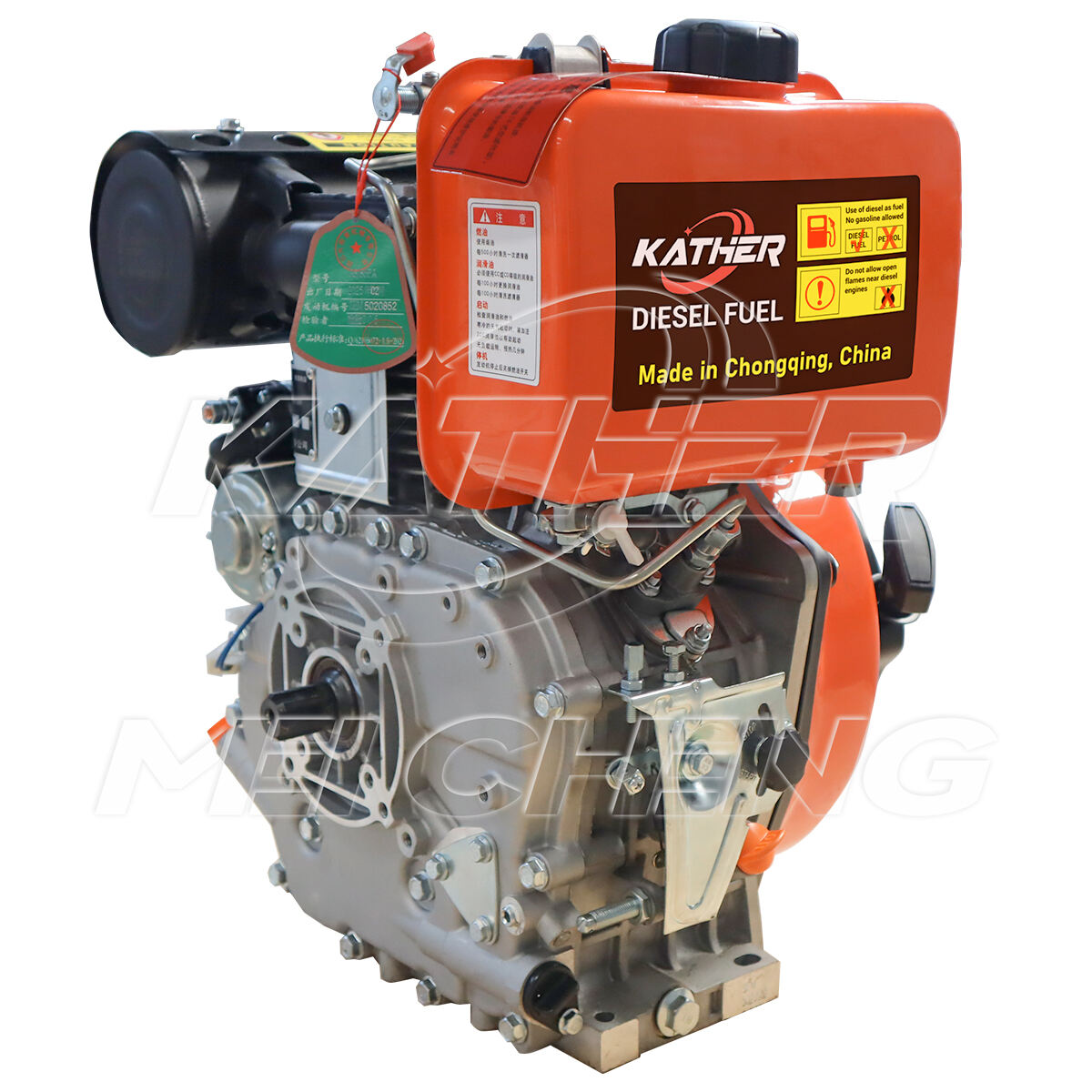
When power outages strike unexpectedly, businesses and homeowners alike need a dependable backup solution that delivers consistent performance. Among the various power generation options available today, systems powered by a diesel engine stand out as the most reliable and cost-effective choice for emergency power needs. The robust construction and proven track record of diesel engine technology make it the preferred option for critical applications where power continuity is essential.
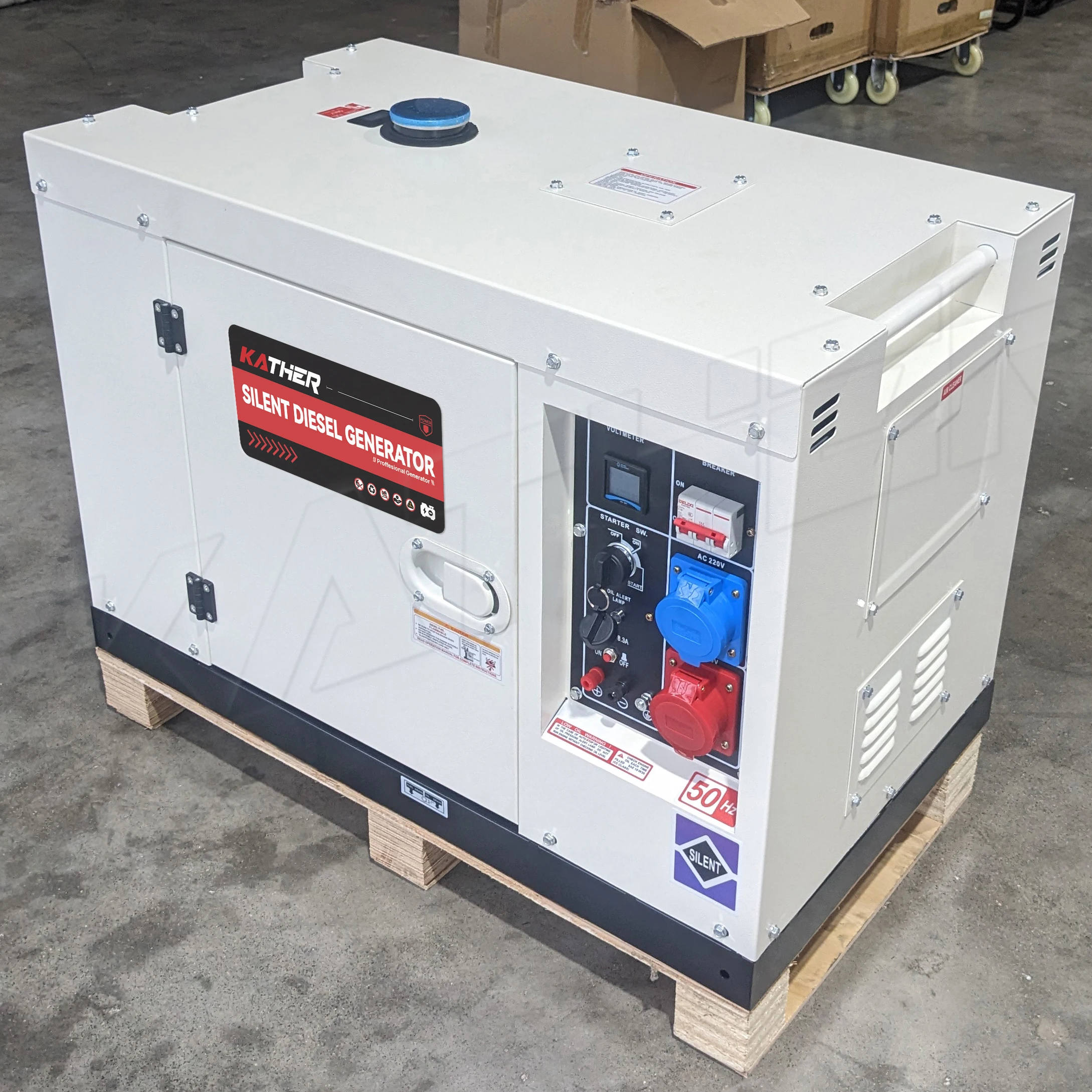
The superiority of diesel-powered generators stems from decades of engineering refinement and real-world performance data. Unlike other power generation technologies, a diesel engine operates with remarkable efficiency across varying load conditions while maintaining exceptional durability. This combination of reliability and performance has made diesel generators the backbone of emergency power systems in hospitals, data centers, manufacturing facilities, and residential applications worldwide.
Understanding the advantages of diesel-powered backup systems becomes crucial when evaluating long-term power solutions. The inherent characteristics of diesel engine technology provide users with confidence that their critical systems will remain operational during extended outages. From fuel efficiency to maintenance requirements, every aspect of diesel generator operation contributes to its reputation as the most dependable backup power solution available.
Superior Fuel Efficiency and Operating Economics
Exceptional Fuel Consumption Rates
The fuel efficiency of a modern diesel engine significantly outperforms gasoline and natural gas alternatives in generator applications. Diesel fuel contains approximately 15% more energy per gallon than gasoline, allowing diesel generators to operate longer on the same fuel volume. This energy density advantage translates directly into reduced fuel costs and extended runtime capabilities during power outages.
Advanced diesel engine designs incorporate sophisticated fuel injection systems that optimize combustion efficiency across all operating loads. These systems ensure that fuel consumption remains minimal even during partial load operation, which is common in backup power scenarios. The precise fuel metering capabilities of modern diesel engines result in consistent performance while minimizing waste and operating expenses.
Commercial and industrial users particularly benefit from the economic advantages of diesel-powered generators. Large facilities requiring substantial backup power capacity find that diesel engine systems deliver the most cost-effective solution over the equipment lifecycle. The combination of fuel efficiency and robust construction makes diesel generators an intelligent investment for organizations prioritizing operational continuity.
Lower Total Cost of Ownership
Beyond initial fuel savings, diesel generators demonstrate superior long-term value through reduced maintenance requirements and extended service intervals. The robust construction of a typical diesel engine allows for longer periods between major service events compared to gasoline engines. This reliability translates into lower maintenance costs and reduced downtime for routine service procedures.
The durability characteristics of diesel engine components contribute significantly to the total cost equation. Internal parts experience less wear due to the lower operating temperatures and reduced stress levels inherent in diesel combustion cycles. This mechanical advantage results in longer component lifecycles and fewer replacement requirements throughout the generator's operational lifespan.
Fleet operators and facility managers consistently report that diesel generators require approximately 30% fewer maintenance interventions compared to gasoline alternatives. This reduction in service frequency, combined with the availability of cost-effective replacement parts, makes diesel-powered systems the most economical choice for organizations managing multiple generator units or large-capacity backup power installations.
Unmatched Reliability and Performance Characteristics
Proven Durability Under Extreme Conditions
The construction quality of a commercial-grade diesel engine enables reliable operation under the most demanding environmental conditions. These power plants routinely function in extreme temperatures, high humidity, and dusty environments without performance degradation. The robust block construction and heavy-duty internal components withstand operational stresses that would compromise lighter engine designs.
Temperature extremes particularly highlight the advantages of diesel technology in generator applications. While gasoline engines struggle with cold-weather starting and hot-weather vapor lock issues, a properly maintained diesel engine starts reliably across a wide temperature range. This cold-weather reliability proves essential for backup power systems in northern climates where emergency power needs often coincide with harsh winter conditions.
Industrial applications demanding continuous operation benefit enormously from diesel engine reliability. Manufacturing facilities, healthcare institutions, and data centers require backup power systems that function flawlessly when called upon. The mechanical simplicity and proven design of diesel engines provide the confidence levels these critical applications demand from their emergency power infrastructure.
Consistent Power Output and Load Handling
The torque characteristics of a diesel engine make it ideally suited for generator applications requiring stable power output across varying electrical loads. Unlike gasoline engines that experience significant power fluctuations under changing loads, diesel engines maintain steady output voltage and frequency regardless of connected equipment demands. This stability proves crucial for sensitive electronic equipment that requires clean, consistent power.
Load acceptance capabilities represent another significant advantage of diesel-powered generators. When large motors or other high-starting-current equipment activates suddenly, the diesel engine responds smoothly without the voltage dips or frequency variations common with other engine types. This superior load-handling ability makes diesel generators the preferred choice for facilities with diverse electrical equipment requiring reliable backup power.
Professional installation teams consistently recommend diesel engine systems for applications where power quality cannot be compromised. The inherent stability of diesel combustion cycles translates directly into superior electrical output characteristics, making these generators suitable for powering everything from basic lighting circuits to sophisticated computer systems and medical equipment.
Fuel Storage and Availability Advantages
Extended Storage Stability
Diesel fuel demonstrates remarkable storage stability compared to gasoline, making it the ideal choice for backup power applications where fuel may sit unused for extended periods. While gasoline begins degrading within months of storage, properly treated diesel fuel remains viable for years when stored in appropriate conditions. This stability eliminates the frequent fuel rotation requirements that make gasoline generators expensive and time-consuming to maintain.
The chemical properties of diesel fuel resist the oxidation and gum formation that plague gasoline storage systems. Modern diesel formulations include stabilizers that further extend storage life, allowing facility managers to maintain adequate fuel reserves without concern for fuel degradation. This storage advantage becomes particularly important for emergency power systems that may operate infrequently but must perform flawlessly when needed.
Organizations maintaining strategic fuel reserves appreciate the long-term viability of diesel storage systems. Unlike gasoline that requires regular testing and replacement, diesel fuel inventories provide reliable energy storage for extended periods. The reduced maintenance requirements for fuel systems contribute significantly to the overall cost-effectiveness of diesel engine backup power solutions.
Widespread Fuel Availability and Infrastructure
The global infrastructure supporting diesel fuel distribution ensures reliable fuel availability even during widespread emergencies. Commercial fuel delivery services routinely supply diesel to generator sites, and the established distribution network provides multiple sourcing options for large-volume users. This infrastructure reliability gives diesel generator operators confidence that fuel resupply will remain available during extended outage events.
Emergency response considerations favor diesel fuel due to its classification as a less volatile petroleum product. Transportation and storage regulations for diesel fuel are less restrictive than those governing gasoline, making it easier for organizations to maintain adequate fuel reserves on-site. The safety advantages of diesel fuel storage contribute to more flexible emergency preparedness planning for businesses and institutions.
Rural and remote locations particularly benefit from the widespread availability of diesel fuel infrastructure. Agricultural and mining operations rely on diesel engine equipment throughout their operations, creating local fuel distribution networks that support generator applications. This existing infrastructure ensures that diesel generators remain practical solutions even in areas where other fuel types may be difficult to obtain reliably.
Environmental Impact and Regulatory Compliance
Reduced Emissions and Environmental Footprint
Modern diesel engine technology incorporates advanced emission control systems that significantly reduce environmental impact compared to older generator technologies. Current-generation diesel engines produce lower carbon dioxide emissions per unit of energy generated, contributing to reduced greenhouse gas footprints for backup power operations. These improvements align with corporate sustainability goals while maintaining the reliability advantages of diesel technology.
The fuel efficiency advantages of diesel generators translate directly into reduced environmental impact through lower overall fuel consumption. When a diesel engine operates more efficiently than gasoline alternatives, the environmental benefits compound over the generator's operational lifetime. This efficiency advantage becomes particularly significant for facilities requiring frequent backup power operation or extended runtime capabilities.
Emission control technologies continue advancing within the diesel generator industry, with manufacturers implementing sophisticated exhaust treatment systems that meet increasingly stringent environmental regulations. These developments ensure that diesel-powered backup systems remain compliant with evolving environmental standards while preserving the performance characteristics that make them ideal for critical power applications.
Regulatory Compliance and Future-Proofing
The regulatory landscape surrounding backup power generation continues evolving, with diesel generators maintaining compliance advantages due to their established technology base and ongoing development efforts. Manufacturers invest heavily in ensuring that diesel engine systems meet current and anticipated future regulations, providing users with confidence in their long-term equipment investments.
Permitting processes for diesel generators benefit from decades of regulatory precedent and established guidelines. Environmental agencies and local authorities understand diesel technology characteristics, streamlining approval processes for new installations. This regulatory familiarity reduces implementation complexity and timeline uncertainty for organizations planning backup power projects.
Future regulatory developments increasingly focus on overall system efficiency rather than penalizing specific fuel types. The superior efficiency characteristics of modern diesel engines position these systems favorably under evolving regulatory frameworks that prioritize energy conservation and emission reduction through improved operational efficiency rather than technology restrictions.
Installation and Maintenance Considerations
Simplified Installation Requirements
The installation process for diesel generators benefits from standardized procedures developed over decades of industry experience. Professional installers understand the requirements for diesel engine systems, including fuel delivery infrastructure, exhaust systems, and electrical connections. This familiarity reduces installation complexity and minimizes the potential for costly mistakes during system deployment.
Fuel system installation for diesel generators involves well-established components and procedures that comply with recognized safety standards. The storage requirements for diesel fuel are less restrictive than gasoline systems, allowing for more flexible tank placement and simplified permitting processes. These installation advantages reduce project timelines and overall system costs for new backup power installations.
The mechanical robustness of diesel engine systems translates into reduced foundation and mounting requirements compared to higher-vibration alternatives. The smooth operation characteristics of modern diesel engines allow for installation in noise-sensitive areas with appropriate sound attenuation measures. This installation flexibility makes diesel generators suitable for a wider range of applications and site conditions.
Predictable Maintenance Schedules and Procedures
Maintenance requirements for diesel generators follow established schedules based on operating hours and elapsed time, allowing facility managers to plan service activities efficiently. The predictable nature of diesel engine maintenance needs enables proactive scheduling that minimizes disruption to facility operations while ensuring optimal generator performance and reliability.
Service procedures for diesel engines rely on standard tools and commonly available replacement parts, reducing maintenance complexity and parts inventory requirements. Technician training for diesel engine service draws from extensive industry knowledge and established best practices. This standardization ensures that qualified service personnel are readily available in most geographic areas.
The diagnostic capabilities built into modern diesel engine control systems provide detailed operational data that facilitates predictive maintenance strategies. These monitoring systems alert operators to developing issues before they result in equipment failures, allowing for planned maintenance activities that preserve system reliability while controlling service costs.
FAQ
How long can a diesel generator operate continuously during a power outage
A properly maintained diesel generator can operate continuously for several days or even weeks, depending on fuel capacity and load requirements. Most commercial diesel generators are designed for continuous operation with appropriate maintenance intervals. The key factors determining runtime include fuel tank capacity, electrical load demand, and ambient operating conditions. Many facilities maintain sufficient fuel reserves to support 48-72 hours of continuous operation, with provisions for fuel delivery to extend operation indefinitely during prolonged outages.
What maintenance is required to keep a diesel generator reliable
Regular maintenance for diesel generators includes periodic oil and filter changes, coolant system service, air filter replacement, and fuel system maintenance. Most manufacturers recommend monthly exercise periods to ensure the system remains ready for emergency operation. Annual comprehensive inspections should include battery testing, electrical connection verification, and exhaust system inspection. Following the manufacturer's maintenance schedule and using qualified service technicians ensures optimal reliability and extends equipment lifespan significantly.
Are diesel generators suitable for residential backup power applications
Diesel generators work excellently for residential backup power, particularly for larger homes or properties with substantial electrical loads. Modern residential diesel generators incorporate sound attenuation features that minimize noise impact on neighbors while providing reliable power for extended periods. The fuel efficiency and storage stability advantages of diesel make it particularly attractive for homeowners in areas prone to extended power outages. However, local regulations and noise ordinances should be reviewed before installation to ensure compliance with residential zoning requirements.
How do diesel generators compare to natural gas generators for backup power
Diesel generators offer several advantages over natural gas systems, including fuel storage independence, superior fuel efficiency, and more robust construction for extended operation. While natural gas generators benefit from continuous fuel supply through utility connections, they become unavailable during natural gas service disruptions. Diesel systems provide complete energy independence through on-site fuel storage, making them more reliable for critical applications. The choice between diesel and natural gas often depends on local fuel availability, installation requirements, and specific application needs.