EN
EN
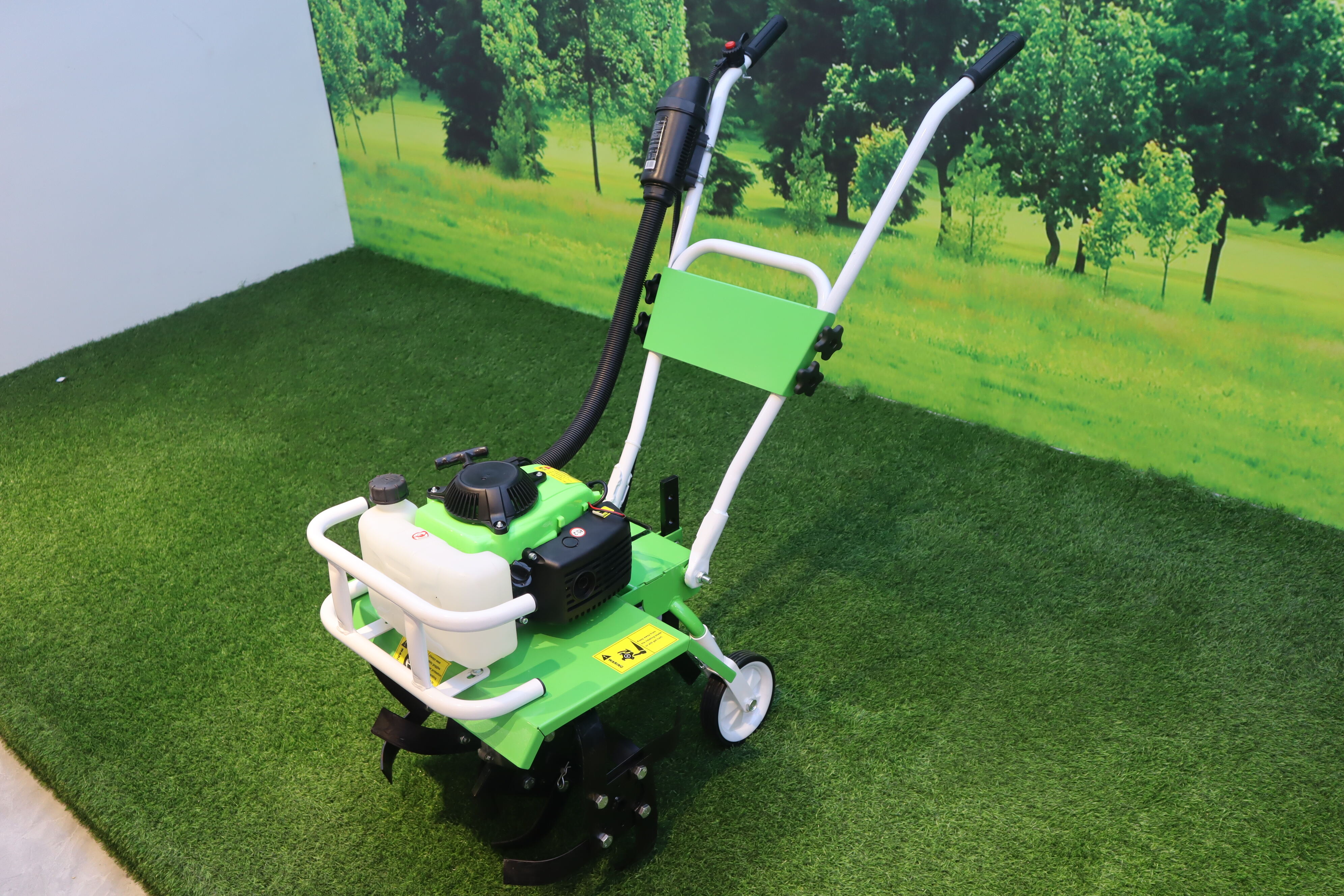
Small garden owners and urban farmers are increasingly turning to compact cultivation solutions that maximize efficiency while minimizing space requirements. A quality tiller serves as the foundation for successful gardening, transforming hard-packed soil into fertile growing medium that supports healthy plant development. Modern gardening enthusiasts recognize that investing in the right cultivation equipment can dramatically improve crop yields and reduce manual labor throughout the growing season.
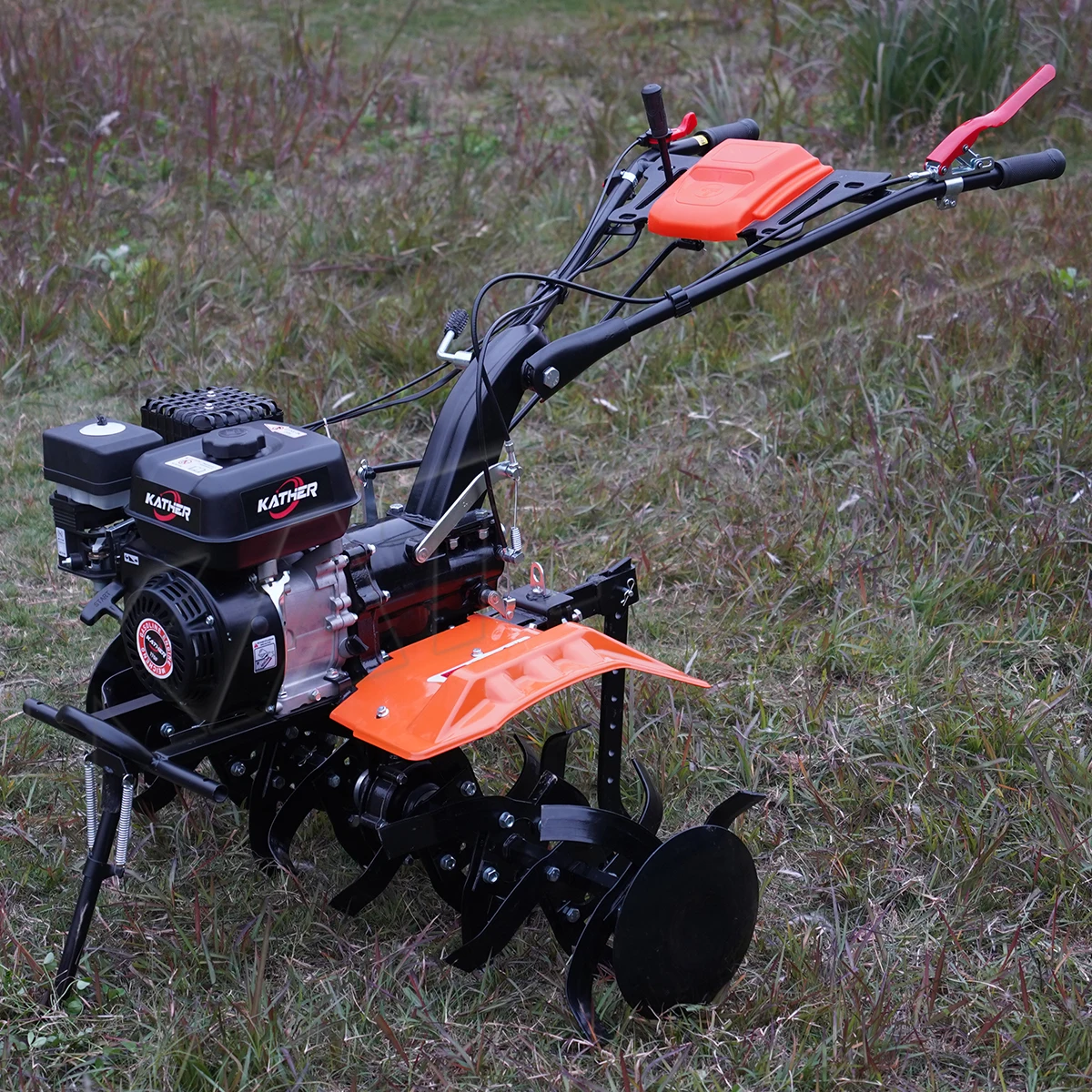
The evolution of garden cultivation technology has brought forth sophisticated yet user-friendly options that cater to diverse gardening needs. Professional landscapers and weekend gardeners alike benefit from understanding the technical specifications and operational capabilities of different cultivation systems. Selecting appropriate equipment requires careful consideration of soil conditions, garden size, and intended applications to ensure optimal performance and long-term satisfaction.
Contemporary cultivation equipment incorporates advanced engineering principles that deliver superior performance while maintaining environmental consciousness. Market leaders continue to innovate with fuel-efficient engines, ergonomic designs, and durable construction materials that withstand demanding agricultural applications. Understanding these technological advancements helps consumers make informed decisions that align with their specific gardening objectives and budget considerations.
Understanding Garden Cultivation Equipment Types
Electric Versus Gasoline-Powered Systems
Electric cultivation systems offer quiet operation and zero direct emissions, making them ideal for residential areas with noise restrictions or environmental concerns. These units typically feature instant start capabilities and require minimal maintenance compared to their gasoline counterparts. However, electric models may have limited runtime depending on battery capacity or require proximity to electrical outlets for corded versions.
Gasoline-powered cultivation equipment delivers superior power output and extended operational periods without dependency on electrical infrastructure. A robust gasoline tiller can handle challenging soil conditions and larger coverage areas with consistent performance throughout extended work sessions. These systems require regular maintenance including fuel mixing, spark plug replacement, and seasonal tune-ups to maintain optimal functionality.
Hybrid systems are emerging that combine the benefits of both power sources, utilizing gasoline engines with electric start features or battery-assisted operation. These innovative designs aim to bridge the gap between convenience and power, offering users flexibility in different operating scenarios. Understanding the trade-offs between power sources helps gardeners select equipment that matches their specific operational requirements and environmental preferences.
Size Classifications and Applications
Mini cultivation equipment typically features working widths between 6 to 12 inches, making them perfect for raised beds, greenhouse applications, and precision cultivation around established plants. These compact units excel in tight spaces where larger equipment cannot operate effectively. Their lightweight construction allows for easy transportation and storage in limited space environments common to urban gardening situations.
Mid-size cultivation systems offer working widths ranging from 12 to 20 inches, providing increased coverage while maintaining maneuverability in moderate-sized gardens. These versatile machines balance productivity with precision, allowing efficient soil preparation for medium-scale vegetable gardens and flower beds. The enhanced stability and power output of mid-size units make them suitable for regular cultivation tasks in established garden plots.
Professional-grade cultivation equipment features robust construction and powerful engines capable of handling challenging soil conditions and extensive coverage areas. These systems incorporate advanced transmission systems, adjustable working depths, and specialized attachments for various cultivation tasks. While requiring greater storage space and higher initial investment, professional units deliver exceptional durability and performance for serious gardening applications.
Essential Features for Optimal Performance
Engine Specifications and Power Output
Engine displacement directly correlates with power output and operational capability, with smaller engines suitable for light cultivation tasks and larger engines necessary for challenging soil conditions. Two-stroke engines offer lightweight construction and high power-to-weight ratios, while four-stroke engines provide fuel efficiency and reduced emissions. Understanding engine characteristics helps users select appropriate power levels for their specific cultivation requirements.
Torque characteristics determine how effectively a tiller can penetrate compacted soil and maintain consistent operation under varying load conditions. High torque output at lower RPMs indicates superior digging capability and reduced operator fatigue during extended use. Modern engines incorporate advanced carburetion systems and air filtration to ensure reliable performance across diverse operating environments.
Fuel consumption rates and tank capacity affect operational range and overall operating costs over the equipment lifecycle. Efficient engines with larger fuel tanks reduce the frequency of refueling interruptions during extensive cultivation projects. Evaluating fuel efficiency specifications helps users estimate operational costs and select equipment that provides optimal value for their intended applications.
Transmission and Control Systems
Forward and reverse transmission capabilities enhance maneuverability and operational efficiency, particularly in confined spaces or when working around obstacles. Variable speed control allows operators to match cultivation speed to soil conditions and desired outcomes. Advanced transmission systems incorporate centrifugal clutches that automatically engage and disengage based on load conditions, reducing operator effort and improving equipment longevity.
Handlebar adjustability and control placement significantly impact operator comfort and control precision during extended use periods. Ergonomic designs reduce vibration transmission and allow natural operating positions that minimize fatigue. Quality control systems feature intuitive layouts with clearly marked functions and positive engagement mechanisms that prevent accidental activation during operation.
Safety features including emergency stop mechanisms and blade guards protect operators from potential hazards during normal operation and maintenance procedures. Modern cultivation equipment incorporates multiple safety systems that automatically shut down engines when safety conditions are not met. Understanding and utilizing these safety features ensures safe operation and reduces the risk of accidents during cultivation activities.
Soil Preparation Techniques and Best Practices
Pre-Cultivation Assessment
Soil moisture content significantly affects cultivation effectiveness and equipment performance, with optimal conditions typically occurring when soil crumbles easily in the hand without forming mud. Overly wet conditions can cause soil compaction and equipment damage, while extremely dry conditions may result in excessive dust and inadequate soil breaking. Professional gardeners recommend waiting for appropriate moisture conditions rather than forcing cultivation operations that may compromise soil structure.
Rock and debris removal prevents equipment damage and ensures smooth cultivation operations that produce uniform soil preparation. A thorough tiller requires clear operating paths free from stones, roots, and other obstacles that could damage blades or transmission components. Pre-cultivation inspection and clearing saves time and prevents costly repairs while improving overall cultivation quality.
Soil type identification helps determine appropriate cultivation techniques and equipment settings for optimal results. Clay soils benefit from deeper cultivation and may require multiple passes, while sandy soils need gentler treatment to prevent excessive disruption of soil structure. Understanding soil characteristics allows operators to adjust their approach and achieve superior preparation results with minimal equipment wear.
Cultivation Patterns and Depth Control
Systematic cultivation patterns ensure complete coverage and prevent missed areas that could affect plant growth uniformity. Overlapping passes by approximately 25% guarantee thorough soil preparation while avoiding excessive re-cultivation of the same areas. Professional techniques include establishing reference points and maintaining consistent speeds to achieve uniform cultivation depths across the entire garden area.
Depth adjustment capabilities allow operators to customize cultivation intensity based on specific garden requirements and existing soil conditions. Shallow cultivation preserves beneficial soil organisms and existing organic matter, while deeper cultivation addresses compaction issues and incorporates amendments more effectively. A versatile tiller should offer easily adjustable depth settings that maintain consistency throughout the cultivation process.
Progressive cultivation techniques involve multiple passes at increasing depths, allowing gradual soil conditioning without shocking the soil ecosystem. This approach particularly benefits established gardens where existing plant roots and beneficial organisms should be preserved. Gradual cultivation also reduces equipment strain and produces more uniform results compared to single-pass deep cultivation attempts.
Maintenance and Longevity Considerations
Routine Maintenance Schedules
Regular engine maintenance includes oil changes, air filter cleaning, and spark plug inspection to ensure reliable performance throughout the growing season. Quality cultivation equipment requires systematic attention to lubrication points, fuel system components, and cooling systems to prevent premature wear and costly repairs. Establishing consistent maintenance routines extends equipment life and maintains optimal performance characteristics.
Blade maintenance involves regular sharpening, replacement, and proper adjustment to maintain effective soil cutting and mixing capabilities. Dull or damaged blades increase engine load, reduce cultivation quality, and may cause excessive vibration that affects operator comfort. Professional sharpening services or quality replacement parts ensure that tiller blades continue to perform at optimal levels throughout their service life.
Seasonal preparation and storage procedures protect equipment during inactive periods and ensure reliable startup when cultivation activities resume. Proper fuel treatment, thorough cleaning, and protective storage prevent corrosion and deterioration that could affect performance or require expensive repairs. Following manufacturer recommendations for seasonal maintenance preserves warranty coverage and maximizes equipment investment returns.
Troubleshooting Common Issues
Starting difficulties often result from fuel system problems, spark plug issues, or air filtration restrictions that prevent proper engine operation. Systematic troubleshooting procedures help identify root causes and implement appropriate solutions without unnecessary part replacement. Understanding basic engine principles enables operators to perform routine diagnostics and minor repairs that keep their tiller operational during critical cultivation periods.
Performance degradation may indicate worn components, improper adjustments, or maintenance neglect that affects cultivation effectiveness. Regular performance monitoring helps identify gradual changes that require attention before they result in equipment failure or poor cultivation results. Addressing performance issues promptly prevents minor problems from developing into major repair requirements that could sideline equipment during peak gardening seasons.
Vibration and noise issues typically indicate loose components, worn bearings, or blade problems that require immediate attention to prevent further damage. Excessive vibration affects operator comfort and may indicate serious mechanical problems that could result in equipment failure. Professional diagnosis and repair of vibration issues ensures safe operation and prevents secondary damage to other equipment components.
Budget Considerations and Value Analysis
Initial Investment Versus Long-Term Costs
Purchase price represents only the initial investment in cultivation equipment, with ongoing operational and maintenance costs significantly impacting total ownership expenses over the equipment lifecycle. Quality equipment typically commands higher initial prices but delivers superior durability, fuel efficiency, and reliability that reduce long-term ownership costs. Evaluating total cost of ownership helps gardeners make informed decisions that provide optimal value for their specific applications.
Fuel consumption rates and maintenance requirements vary significantly between different equipment types and quality levels, affecting operational costs throughout the ownership period. A fuel-efficient tiller with reliable components reduces both direct fuel costs and maintenance expenses while providing consistent performance. Understanding these ongoing costs helps budget-conscious gardeners select equipment that fits their financial parameters without compromising essential functionality.
Resale value considerations become important for gardeners who may upgrade or change their cultivation needs over time. Quality equipment from reputable manufacturers typically retains higher resale values and attracts more buyers when replacement becomes necessary. Investing in well-regarded brands with strong dealer networks provides additional value through better parts availability and service support throughout the ownership period.
Financing and Purchase Options
Seasonal sales and promotional offers provide opportunities to acquire quality cultivation equipment at reduced prices, particularly during off-season periods when dealer inventory turnover occurs. Smart shoppers monitor pricing trends and time their purchases to take advantage of manufacturer incentives and dealer clearance events. Planning purchases around seasonal cycles can result in significant savings on professional-grade cultivation equipment.
Financing programs offered by manufacturers and dealers make quality cultivation equipment accessible to gardeners with limited upfront capital while spreading costs over manageable payment periods. Low-interest or promotional financing can make higher-quality equipment affordable when the monthly payment fits within gardening budget constraints. Understanding financing terms and total interest costs ensures that financed purchases remain cost-effective compared to cash alternatives.
Used equipment markets provide access to professional-grade cultivation systems at reduced prices, though buyers must carefully evaluate condition and remaining service life. Reputable dealers often offer certified used equipment with limited warranties that provide some protection against hidden problems. A thorough inspection and test operation help identify potential issues before purchase and ensure that used equipment meets performance expectations.
FAQ
What size tiller is best for a small garden
For small gardens up to 1,000 square feet, a mini tiller with a working width of 6-10 inches provides optimal maneuverability and sufficient cultivation capability. These compact units easily navigate between rows and around established plants while providing adequate soil preparation for most garden vegetables and flowers. Lightweight construction makes them easy to transport and store in limited space environments common to urban gardening situations.
How often should I perform maintenance on my cultivation equipment
Regular maintenance schedules should include pre-season inspection and tune-up, oil changes every 25 operating hours, air filter cleaning after every 5 hours of use, and thorough post-season cleaning and preparation. Monthly blade inspection during active use helps identify wear or damage that could affect performance. Following manufacturer maintenance recommendations ensures reliable operation and preserves warranty coverage throughout the equipment lifecycle.
Can electric cultivation equipment handle heavy clay soil
High-quality electric cultivation systems can effectively work clay soil when moisture conditions are appropriate, though they may require multiple passes or slower operating speeds compared to gasoline-powered units. Battery-powered models with brushless motors provide sufficient torque for most residential clay soil applications. However, extremely compacted or large clay soil areas may benefit from the sustained power output available from gasoline engines.
What safety precautions should I follow when operating cultivation equipment
Essential safety practices include wearing appropriate protective equipment such as safety glasses and closed-toe shoes, clearing the work area of debris and obstacles, maintaining firm footing on stable ground, and never operating equipment while fatigued or distracted. Always allow engines to cool completely before refueling or performing maintenance, and ensure that safety guards remain in place during operation. Reading and following manufacturer safety guidelines prevents most accidents and ensures safe cultivation activities.