EN
EN
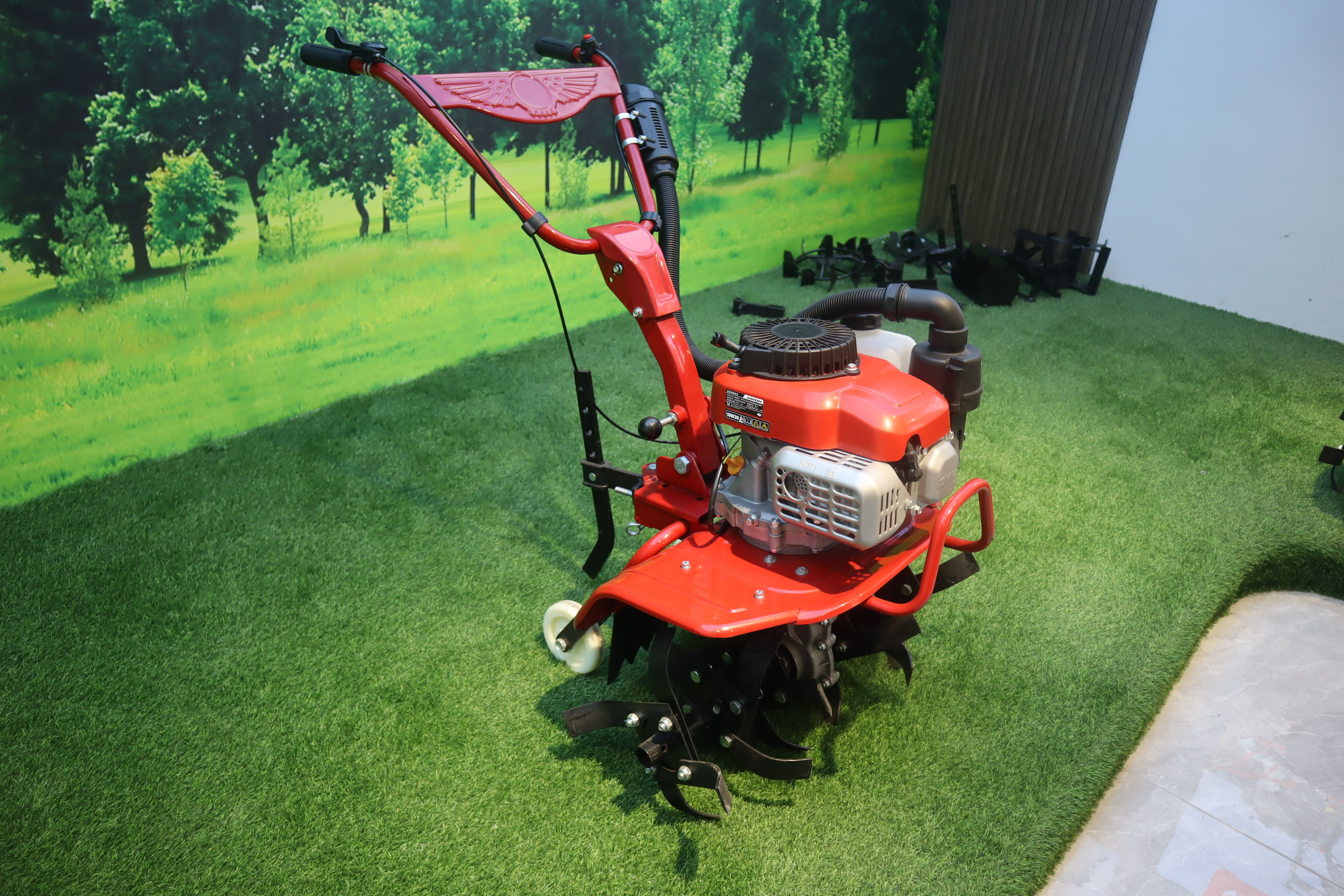
Choosing the right garden equipment can make the difference between a thriving garden and hours of backbreaking labor. When it comes to soil preparation and maintenance, many gardeners find themselves torn between purchasing a mini tiller or a cultivator. While both tools serve essential functions in garden management, understanding their distinct capabilities will help you make an informed decision that matches your specific gardening needs and budget constraints.
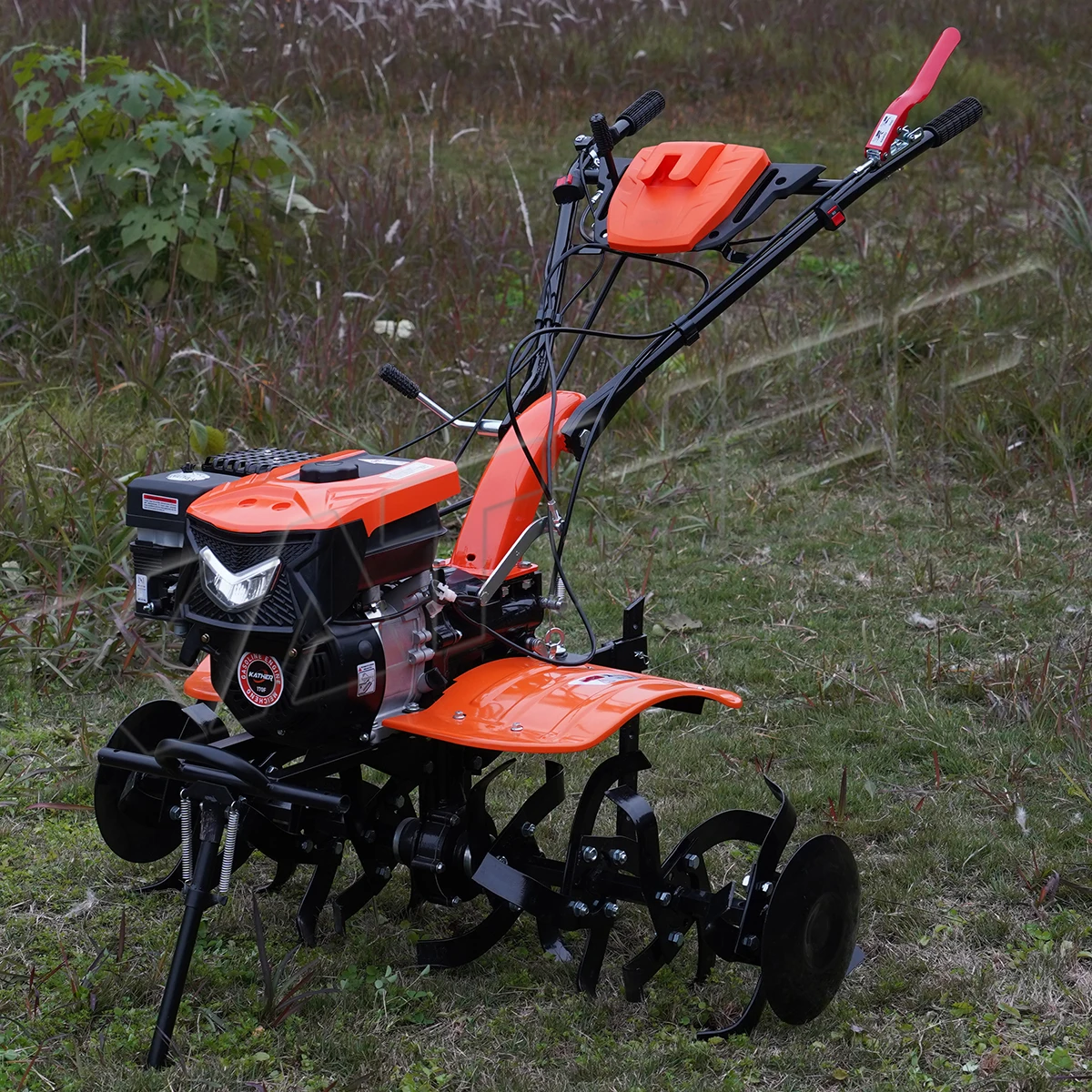
The confusion between these two implements often stems from overlapping terminology and similar appearances. However, each tool has been engineered for specific soil conditions and gardening tasks. A mini tiller excels at breaking new ground and preparing large areas for planting, while a cultivator focuses on maintaining existing garden beds and working around established plants. Understanding these fundamental differences will guide you toward the tool that best serves your gardening objectives.
Professional landscapers and experienced gardeners often maintain both tools in their arsenal, recognizing that each serves unique purposes throughout the growing season. The investment in the right equipment pays dividends in reduced physical strain, improved soil quality, and ultimately better plant growth. Whether you're establishing a new garden bed or maintaining an existing landscape, selecting the appropriate tool ensures efficient and effective soil management.
Understanding Mini Tiller Mechanics and Applications
Engine Power and Soil Penetration Capabilities
Mini tillers typically feature robust engines ranging from 25cc to 50cc, delivering sufficient power to break through compacted soil and establish new garden beds. The rotating tines of a mini tiller dig deeper into the soil compared to cultivator alternatives, making them ideal for initial ground preparation. Most quality mini tiller models can penetrate soil depths of 6 to 8 inches, effectively loosening hardpan layers that prevent proper root development and water infiltration.
The transmission system in a mini tiller transfers engine power through a gear reduction mechanism, multiplying torque while reducing tine rotation speed. This mechanical advantage allows the operator to work through challenging soil conditions including clay-heavy compositions and areas with embedded rocks or debris. Professional-grade units often include adjustable tilling depths, enabling operators to customize soil preparation based on specific planting requirements and soil conditions.
Modern mini tiller designs incorporate safety features such as dead-man switches and protective shields around rotating components. These safety mechanisms prevent accidental injury while maintaining operational efficiency. The weight distribution in quality units positions the engine over the tines, providing natural downward pressure that enhances soil penetration without excessive operator effort.
Optimal Working Conditions and Soil Types
A mini tiller performs optimally in moderately moist soil conditions, typically when the soil contains enough moisture to bind particles together without creating muddy conditions. Working in overly wet soil can result in compaction and clumping, while extremely dry conditions may create excessive dust and require multiple passes to achieve desired results. Professional operators often test soil readiness by squeezing a handful of earth – ideal conditions produce a ball that crumbles when poked rather than maintaining shape or falling apart immediately.
Dense clay soils benefit significantly from mini tiller treatment, as the aggressive tine action breaks apart compacted layers and incorporates organic matter throughout the soil profile. Sandy soils require less aggressive treatment but still benefit from tiller use when establishing new beds or incorporating amendments. Rocky soils present challenges that require careful technique and potentially multiple passes to achieve satisfactory preparation.
Seasonal timing plays a crucial role in mini tiller effectiveness. Spring preparation typically yields the best results when soil temperatures begin warming but before planting deadlines approach. Fall tilling can prepare beds for spring planting while incorporating organic matter that decomposes over winter months. Weather patterns immediately preceding tilling operations significantly impact soil workability and final results.
Cultivator Design Features and Functionality
Lightweight Construction and Maneuverability Benefits
Cultivators prioritize maneuverability and precision over raw breaking power, resulting in lighter construction that enables operators to work around established plants without damaging root systems. Most cultivator models weigh between 20 to 35 pounds, allowing for easy transportation and reduced operator fatigue during extended use. The compact design facilitates storage in standard garden sheds and enables access to narrow spaces between plant rows.
The tine configuration on cultivators typically features shorter, more flexible components compared to tiller implementations. This design philosophy prevents damage to existing plant roots while effectively disturbing surface soil layers where weeds establish. Adjustable tine width settings on many models accommodate various row spacings and plant configurations, maximizing versatility across different garden layouts and crop types.
Handle ergonomics receive significant attention in cultivator design, with many manufacturers incorporating vibration-dampening materials and adjustable positioning systems. These features reduce operator strain during extended use periods and accommodate users of varying heights. Quality units include cushioned grips and balanced weight distribution that minimizes wrist and back stress during operation.
Specialized Attachments and Versatility Options
Modern cultivators often support interchangeable attachment systems that expand functionality beyond basic soil cultivation. Common attachments include aerator spikes for lawn maintenance, edging blades for border definition, and specialized tines for specific soil conditions. This modular approach allows gardeners to customize their equipment based on seasonal needs and specific gardening challenges.
Dethatching attachments help maintain healthy lawn conditions by removing accumulated organic debris that can impede water and nutrient penetration. Fertilizer spreader attachments enable simultaneous cultivation and nutrient application, improving efficiency during routine maintenance operations. Some manufacturers offer specialized attachments for greenhouse operations, raised bed maintenance, and container gardening applications.
The quick-change attachment systems found on premium cultivator models minimize setup time and enable rapid transition between different gardening tasks. Professional landscapers particularly value this versatility when maintaining diverse client properties with varying maintenance requirements. The investment in a versatile cultivator platform often proves more economical than purchasing multiple specialized tools.
Performance Comparison in Real-World Applications
Initial Garden Establishment Projects
When establishing new garden areas from previously unused land, a tiller demonstrates clear advantages over cultivator alternatives. The powerful engine and aggressive tine action can break through established sod, penetrate compacted subsoil, and incorporate organic amendments throughout the entire soil profile. This comprehensive soil preparation creates optimal conditions for root development and establishes proper drainage characteristics essential for plant health.
Large-scale garden expansions particularly benefit from mini tiller capabilities, as the tool can efficiently process significant square footage in relatively short timeframes. Professional landscapers often complete initial bed preparation projects 50-75% faster using tillers compared to cultivators, especially when working in challenging soil conditions. The time savings translates directly into reduced labor costs and faster project completion timelines.
However, mini tiller operation requires careful technique to avoid creating hardpan layers below the tilling depth. Repeated passes at identical depths can compress soil immediately below the tine penetration zone, potentially creating drainage problems. Experienced operators vary tilling depths and directions to prevent this issue while maintaining thorough soil preparation throughout the target area.
Ongoing Garden Maintenance Requirements
Established gardens require different soil management approaches that favor cultivator characteristics over mini tiller capabilities. The precision and control offered by cultivators enable effective weed suppression without disturbing beneficial soil organisms or established plant root systems. Regular cultivation maintains soil porosity and prevents surface crusting that can impede water penetration and seedling emergence.
Seasonal maintenance schedules typically include multiple cultivation passes throughout the growing season, making the lightweight and maneuverable cultivator design particularly valuable. Operators can quickly address emerging weed populations and maintain optimal soil conditions with minimal physical strain. The reduced noise levels of cultivators also make them suitable for residential use without disturbing neighbors.
Organic gardeners particularly appreciate cultivator capabilities for incorporating compost and other amendments into existing soil without major disruption to beneficial microbial populations. The gentler soil disturbance preserves soil structure while effectively mixing organic matter throughout the root zone. This approach supports long-term soil health and sustainable gardening practices.
Economic Considerations and Investment Planning
Initial Purchase Price and Long-Term Value
Mini tiller pricing typically ranges from $200 to $800 for quality consumer models, with professional-grade units commanding higher prices based on engine specifications and construction quality. The substantial initial investment often proves worthwhile for gardeners managing large areas or establishing multiple new beds annually. Quality tiller construction includes heavy-duty transmissions, reinforced frames, and professional-grade engines designed for extended service life.
Cultivator pricing generally falls between $100 to $400 for comparable quality levels, making them more accessible for budget-conscious gardeners or those managing smaller garden areas. The lower initial cost allows gardeners to allocate remaining budget toward other essential tools or garden improvements. However, the reduced capability may necessitate additional tool purchases or professional services for major soil preparation projects.
Long-term value calculations should consider frequency of use, maintenance requirements, and potential resale value. Quality mini tiller units often retain significant value due to robust construction and ongoing demand for soil preparation equipment. Cultivators may depreciate more rapidly but require less maintenance investment over their service life due to simpler mechanical systems.
Operational Costs and Maintenance Requirements
Mini tiller operation involves ongoing fuel costs, routine engine maintenance, and periodic component replacement that affect total ownership expenses. Two-stroke engines require fuel mixing and more frequent maintenance intervals compared to four-stroke alternatives. Professional servicing for complex transmission systems can represent significant expense if major repairs become necessary.
Cultivator maintenance requirements typically focus on tine replacement, handle adjustment, and basic lubrication procedures that most operators can perform independently. The simpler mechanical systems reduce likelihood of major component failures and associated repair costs. Electric cultivator models eliminate fuel costs entirely while reducing maintenance requirements to basic component inspection and cleaning.
Seasonal storage considerations affect both tool types, with proper winterization extending service life and preventing costly repairs. Mini tiller engines require fuel system treatment, oil changes, and carburetor attention before extended storage periods. Cultivators primarily need cleaning, lubrication, and secure storage in dry conditions to prevent corrosion and component deterioration.
FAQ
Can a mini tiller effectively replace a cultivator for all garden tasks
While a mini tiller can perform some cultivation tasks, it lacks the precision and maneuverability needed for delicate work around established plants. The aggressive tine action and deeper penetration of tillers can damage shallow root systems and disturb beneficial soil organisms. For ongoing garden maintenance, weed control, and working in confined spaces, a dedicated cultivator provides superior performance and plant safety. Most serious gardeners find value in owning both tools for their respective specialized applications.
What soil conditions make each tool most effective
Mini tillers excel in compacted clay soils, previously uncultivated areas, and situations requiring deep soil preparation. They work best when soil moisture content allows particles to bind together without creating muddy conditions. Cultivators perform optimally in previously worked soil, around established plants, and for routine maintenance tasks. Both tools struggle in extremely wet conditions that cause soil compaction or overly dry conditions that create excessive dust and require multiple passes for effective results.
How do engine specifications affect performance and operating costs
Engine displacement directly correlates with available power for breaking through difficult soil conditions. Larger engines (35-50cc) handle challenging applications more efficiently but consume more fuel and require more maintenance. Smaller engines (25-35cc) provide adequate power for most residential applications while offering better fuel economy and lower operating costs. Two-stroke engines deliver high power-to-weight ratios but require fuel mixing and more frequent maintenance compared to four-stroke alternatives that offer easier operation and longer service intervals.
What safety considerations should influence the selection decision
Mini tiller operation involves higher risk due to powerful engines, aggressive tine action, and potential for loss of control in difficult soil conditions. Operators must maintain secure footing and proper technique to prevent injury from rotating components. Cultivators present lower risk due to lighter weight, less aggressive tine action, and better overall control characteristics. Both tools require appropriate protective equipment including eye protection, sturdy footwear, and hearing protection during extended use. Consider your experience level and comfort with power equipment when making the selection decision.