EN
EN
Modern agricultural operations depend heavily on reliable cultivator and tiller parts to maintain productive soil preparation and cultivation processes. These essential components form the backbone of farming equipment, enabling farmers to achieve optimal soil conditions for crop growth and maximize their agricultural output. Understanding the critical role of high-quality cultivator and tiller parts can significantly impact farming efficiency and long-term equipment performance.
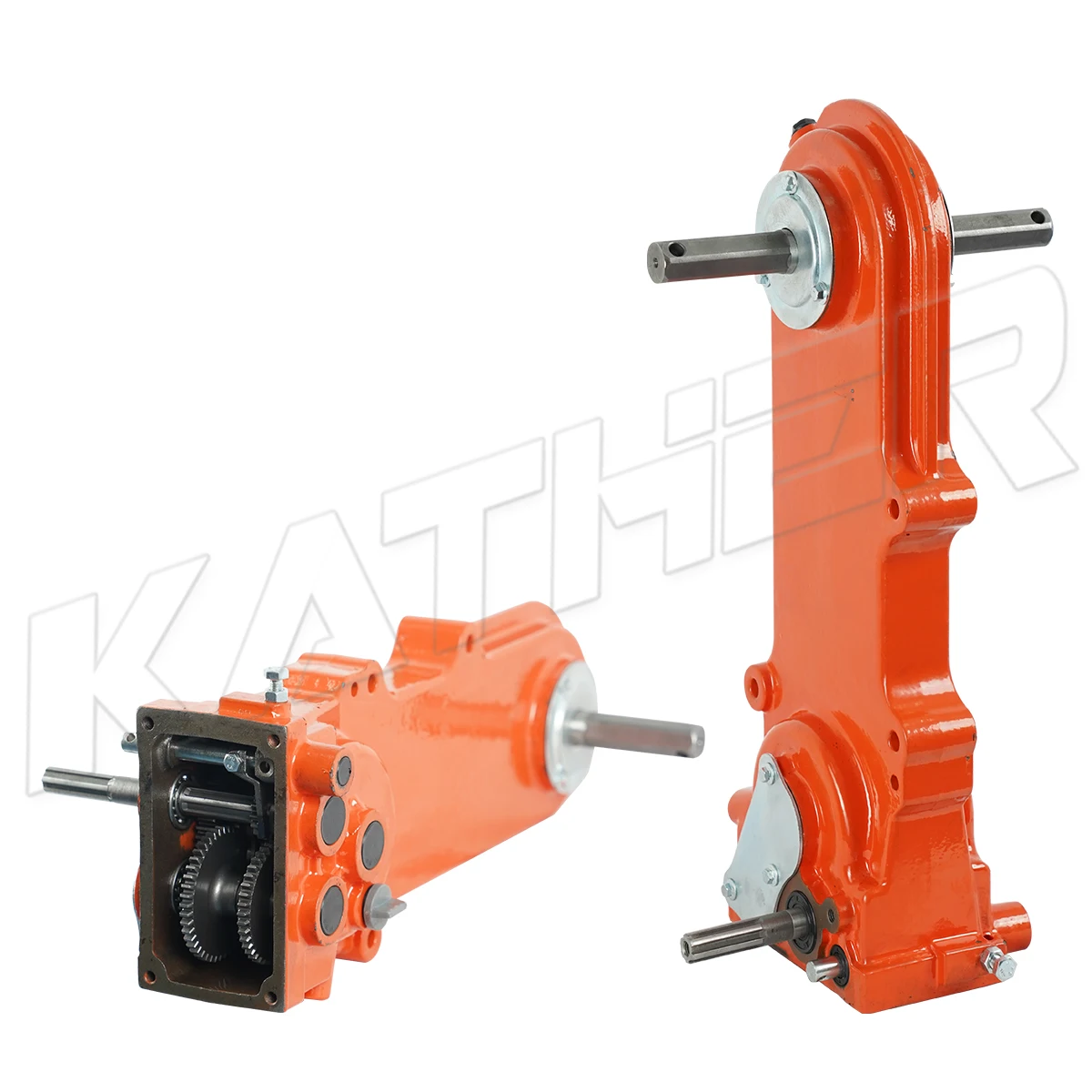
Agricultural machinery requires precision-engineered components to withstand the demanding conditions of field operations. Professional farmers and equipment operators recognize that investing in superior cultivator and tiller parts directly translates to improved productivity, reduced downtime, and enhanced crop yields. The selection and maintenance of these components represent critical decisions that influence both immediate operational success and long-term profitability.
Understanding Core Components of Cultivation Equipment
Primary Blade Systems and Their Functions
The blade assembly serves as the primary cutting mechanism in most cultivation equipment, responsible for breaking through soil layers and creating optimal seedbed conditions. High-performance cultivator and tiller parts include various blade configurations designed for specific soil types and cultivation depths. These components must maintain sharp edges while resisting wear from abrasive soil particles and debris encountered during field operations.
Professional-grade blade systems incorporate advanced metallurgy and heat treatment processes to ensure maximum durability and cutting efficiency. The geometry of these cultivator and tiller parts directly influences soil flow patterns, residue management, and overall tillage quality. Farmers should consider blade width, angle, and spacing when selecting replacement components to match their specific operational requirements and soil conditions.
Tine Configuration and Soil Penetration
Tine assemblies represent another crucial category of cultivator and tiller parts, designed to penetrate compacted soil layers and improve overall field conditions. These components come in various shapes and sizes, each optimized for specific cultivation tasks such as deep tillage, secondary cultivation, or precision seedbed preparation. The spacing and arrangement of tines significantly impact soil flow and mixing characteristics during operation.
Modern tine designs incorporate features such as adjustable positioning, replaceable wear points, and specialized coatings to extend service life. Quality cultivator and tiller parts in this category utilize spring-loaded mechanisms or rigid mounting systems depending on the intended application and soil conditions. Understanding these design variations helps operators select appropriate components for their specific farming requirements and maximize equipment performance.
Material Quality and Manufacturing Standards
Steel Composition and Heat Treatment
The material composition of cultivator and tiller parts directly determines their performance characteristics and service life under demanding agricultural conditions. High-carbon steel alloys provide excellent wear resistance and maintain sharp cutting edges throughout extended use periods. Advanced heat treatment processes create optimal hardness levels while preserving toughness necessary to withstand impact loads and stress concentrations.
Manufacturing standards for premium cultivator and tiller parts include precise dimensional tolerances, consistent material properties, and rigorous quality control procedures. These specifications ensure reliable performance across different soil types and operating conditions. Professional farmers recognize that investing in components meeting or exceeding OEM specifications provides superior value through extended service intervals and reduced maintenance requirements.
Coating Technologies and Corrosion Resistance
Surface treatments and protective coatings play essential roles in extending the service life of cultivator and tiller parts exposed to harsh environmental conditions. Advanced coating systems provide resistance against soil acids, moisture, and chemical fertilizers commonly encountered in agricultural applications. These protective layers also reduce soil adhesion and improve component self-cleaning characteristics during operation.
Modern coating technologies for cultivator and tiller parts include zinc plating, powder coating, and specialized polymer treatments designed specifically for agricultural equipment. The selection of appropriate surface treatments depends on local soil conditions, climate factors, and expected service intervals. Regular inspection and maintenance of these protective coatings help preserve component integrity and extend replacement cycles.
Maintenance Strategies for Optimal Performance
Regular Inspection and Assessment Procedures
Systematic inspection routines form the foundation of effective maintenance programs for cultivator and tiller parts. Daily pre-operation checks should include visual examination of cutting edges, mounting hardware, and structural components for signs of excessive wear or damage. Early detection of potential issues allows for planned replacement scheduling and prevents unexpected equipment failures during critical farming operations.
Comprehensive assessment procedures for cultivator and tiller parts involve measuring wear patterns, checking alignment specifications, and evaluating mounting bolt torque values. Documentation of inspection findings helps establish replacement schedules based on actual wear rates rather than arbitrary time intervals. This data-driven approach optimizes parts inventory management and reduces overall maintenance costs.
Proper Storage and Handling Practices
Correct storage procedures significantly impact the service life and performance of cultivator and tiller parts during off-season periods. Components should be thoroughly cleaned to remove soil residue, dried completely to prevent corrosion, and stored in controlled environments away from moisture and temperature extremes. Proper handling techniques prevent damage during installation and removal processes.
Inventory management systems for cultivator and tiller parts should include rotation procedures to ensure older stock utilization before newer components. Protective packaging helps preserve component quality during storage periods and facilitates efficient organization of replacement parts. Investment in proper storage facilities and handling equipment pays dividends through extended component life and improved reliability.
Selection Criteria for Replacement Components
OEM Specifications and Compatibility
Matching replacement cultivator and tiller parts to original equipment specifications ensures optimal performance and maintains warranty coverage on agricultural machinery. OEM parts undergo extensive testing and validation procedures to verify compatibility with specific equipment models and operating conditions. These components provide reliable performance characteristics that match the original design intent of the machinery.
Compatibility verification involves checking part numbers, dimensional specifications, and material properties against manufacturer recommendations. Quality cultivator and tiller parts suppliers provide detailed specification sheets and application guides to assist in proper component selection. Professional farmers benefit from establishing relationships with reputable suppliers who understand their specific equipment requirements and operational needs.
Performance Characteristics and Application Requirements
Specific application requirements significantly influence the selection of appropriate cultivator and tiller parts for different farming operations. Soil conditions, crop rotation patterns, and tillage practices all impact component wear patterns and service life expectations. Understanding these operational factors helps optimize parts selection and maintenance scheduling for maximum efficiency.
Performance evaluation criteria for cultivator and tiller parts include wear resistance, cutting efficiency, soil flow characteristics, and overall durability under field conditions. Comparative analysis of different component options helps farmers make informed decisions based on their specific operational requirements and budget constraints. Long-term cost analysis often favors higher-quality components that provide extended service intervals and improved performance.
Economic Impact and Cost Optimization
Total Cost of Ownership Analysis
Comprehensive cost analysis for cultivator and tiller parts extends beyond initial purchase prices to include installation costs, service intervals, and productivity impacts. Higher-quality components often provide superior value through extended service life and reduced maintenance requirements. This total cost of ownership approach helps farmers make informed investment decisions that optimize long-term profitability.
Economic factors influencing cultivator and tiller parts selection include labor costs for installation and maintenance, equipment downtime expenses, and opportunity costs associated with delayed field operations. Professional farmers develop cost models that account for these variables and guide procurement decisions based on overall economic impact rather than initial purchase price alone.
Inventory Management and Supply Chain Considerations
Effective inventory management strategies for cultivator and tiller parts balance carrying costs against the risk of equipment downtime during critical farming periods. Strategic stockpiling of wear items and critical components helps ensure operational continuity while minimizing inventory investment. Supplier relationships and delivery capabilities significantly impact inventory requirements and overall parts management costs.
Supply chain optimization for cultivator and tiller parts involves evaluating supplier capabilities, delivery performance, and technical support services. Local availability of components reduces emergency procurement costs and minimizes equipment downtime. Farmers benefit from developing contingency plans that include alternative suppliers and cross-reference information for critical components.
FAQ
How often should cultivator and tiller parts be inspected for wear?
Cultivator and tiller parts should be inspected daily before operation and thoroughly examined every 25-50 operating hours depending on soil conditions and usage intensity. Critical wear points require more frequent monitoring, especially during seasons with abrasive soil conditions or heavy debris loads. Systematic inspection schedules help prevent unexpected failures and optimize replacement timing.
What factors determine the replacement frequency of cultivation components?
Replacement frequency for cultivator and tiller parts depends on soil type, operating depth, field conditions, component quality, and maintenance practices. Sandy or rocky soils typically cause faster wear than clay soils, while deeper tillage operations increase stress on components. Regular monitoring of wear patterns helps establish replacement schedules based on actual conditions rather than arbitrary time intervals.
Can aftermarket parts provide comparable performance to OEM components?
High-quality aftermarket cultivator and tiller parts can provide performance comparable to OEM components when manufactured to equivalent specifications and quality standards. However, farmers should verify material properties, dimensional accuracy, and compatibility before purchasing aftermarket alternatives. Reputable aftermarket suppliers often provide detailed specifications and performance guarantees for their products.
What storage conditions best preserve unused cultivation parts?
Optimal storage conditions for cultivator and tiller parts include clean, dry environments with stable temperatures and protection from moisture, chemicals, and physical damage. Components should be cleaned thoroughly before storage and may require protective coatings or rust preventatives depending on material composition and expected storage duration. Proper packaging and organization facilitate inventory management and preserve component quality.