EN
EN

Garden cultivation tools play a fundamental role in maintaining healthy soil and promoting optimal plant growth throughout the growing season. A cultivator represents one of the most versatile and essential implements for both professional farmers and home gardening enthusiasts. Understanding the distinct characteristics, applications, and benefits of cultivation equipment helps gardeners make informed decisions about their tool investments. Modern cultivation technology has evolved significantly, offering various options from manual hand tools to powerful motorized units that can transform soil preparation and maintenance practices.
The agricultural industry continues to advance with innovative designs that address specific cultivation challenges while improving efficiency and reducing physical strain on operators. Professional landscapers and dedicated gardeners alike recognize that selecting the appropriate cultivation tool directly impacts soil health, crop yields, and long-term garden sustainability. Whether working with established garden beds, preparing new planting areas, or maintaining existing cultivation zones, the right equipment selection makes a substantial difference in achieving desired results.
Understanding Cultivator Fundamentals
Basic Definition and Core Functions
A cultivator serves as a specialized agricultural implement designed primarily for breaking up soil crust, eliminating weeds, and creating optimal growing conditions for plants. Unlike other garden tools, the cultivator focuses specifically on surface soil manipulation rather than deep ground breaking. This equipment typically features multiple tines, blades, or discs that penetrate the earth to a shallow depth, usually between two to six inches depending on the specific model and intended application.
The fundamental operation of any cultivator involves disrupting compacted soil layers while preserving beneficial soil structure beneath the working depth. This selective approach maintains important soil microorganisms and prevents excessive disruption of established root systems. Modern cultivation implements incorporate various design elements that enhance their effectiveness, including adjustable tine spacing, depth control mechanisms, and specialized blade configurations tailored for different soil types and growing conditions.
Types of Cultivator Equipment
Hand cultivators represent the most basic category, featuring small handheld tools with three to five curved tines attached to a wooden or composite handle. These manual implements work well for small garden beds, container gardening, and precision work around delicate plants. Hand cultivators excel in confined spaces where larger equipment cannot operate effectively, making them indispensable for detailed garden maintenance tasks.
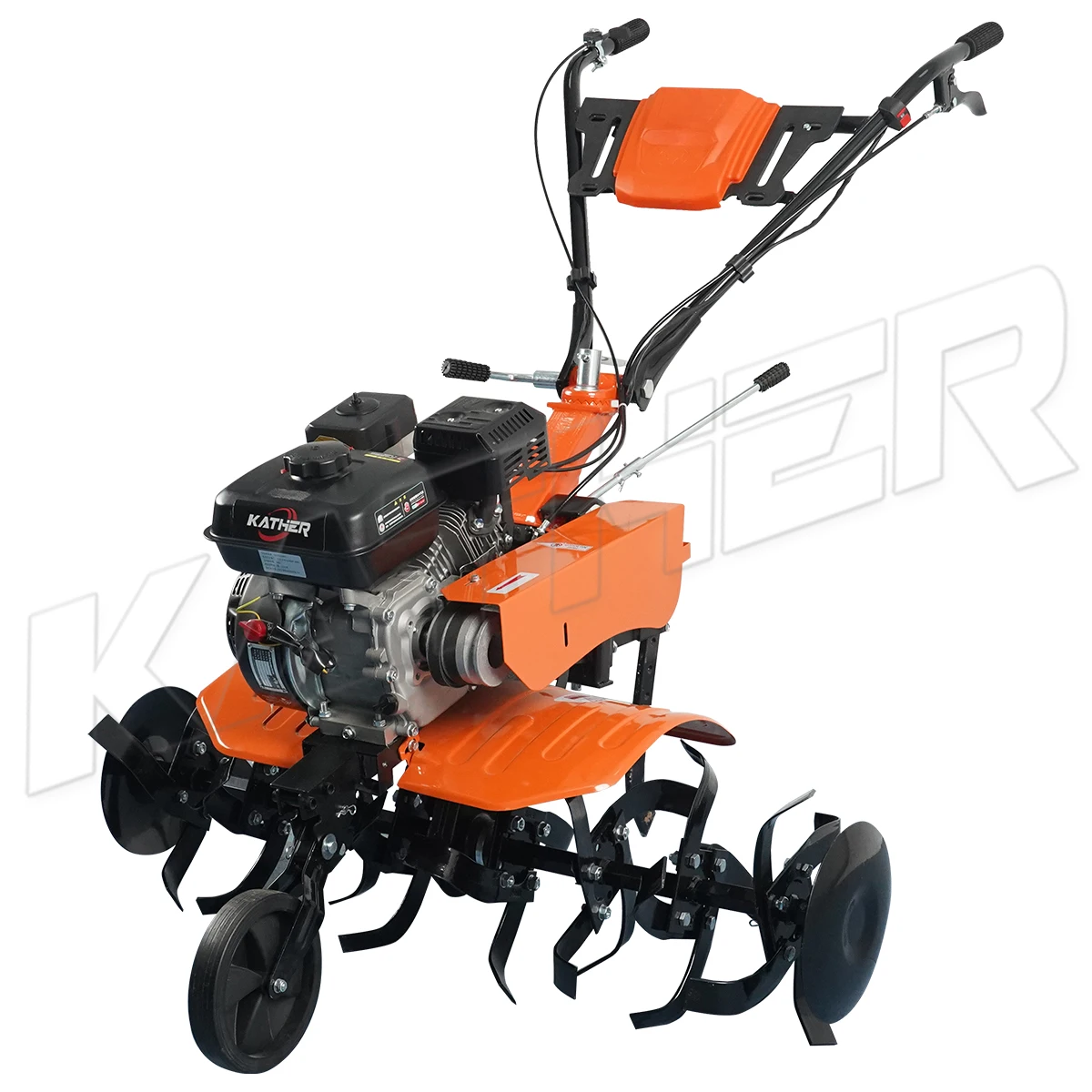
Powered cultivator units incorporate gasoline engines, electric motors, or battery systems to drive rotating tines through mechanical transmission systems. These motorized versions significantly reduce operator fatigue while covering larger areas more efficiently than manual alternatives. Engine-powered models typically offer superior performance in challenging soil conditions, dense weed populations, and extensive cultivation projects that would prove exhausting with hand tools.
Walking cultivator designs feature self-propelled mechanisms that allow operators to guide the equipment while the machine provides forward movement and tine rotation. These units balance power with maneuverability, making them suitable for medium-sized gardens and small-scale farming operations. The walking cultivator category includes various engine sizes, transmission options, and attachment capabilities that expand their versatility across different applications.
Distinguishing Cultivators from Tillers
Primary Operational Differences
Tillers focus on deep soil breaking and initial ground preparation, typically penetrating eight to twelve inches into the earth to break up compacted subsoil layers. This deep cultivation approach proves essential for establishing new garden beds, incorporating large amounts of organic matter, and addressing severe soil compaction issues. Tiller operation generally requires more powerful engines and robust construction to handle the increased resistance encountered at greater working depths.
Cultivator operations emphasize surface soil management, weed control, and ongoing garden maintenance rather than initial ground preparation. The shallow working depth of most cultivator models preserves beneficial soil organisms while effectively managing surface weeds and maintaining optimal soil texture for plant growth. This focused approach makes the cultivator ideal for established gardens where deep soil disruption could damage existing root systems or disturb carefully developed soil amendments.
Application Timing and Purpose
Tiller applications typically occur during initial garden establishment, major soil renovation projects, or annual bed preparation activities. These implements excel when incorporating substantial amounts of compost, preparing virgin ground for cultivation, or addressing significant soil structure problems that require extensive mechanical intervention. Tiller use generally represents a seasonal activity rather than ongoing maintenance.
Cultivator applications focus on regular maintenance throughout the growing season, including weed management between crop rows, surface soil aeration, and light incorporation of fertilizers or amendments. This equipment supports continuous garden care rather than occasional major interventions. The cultivator becomes a tool for ongoing soil health maintenance rather than dramatic soil transformation.
Soil Preparation and Maintenance Applications
Weed Management Strategies
Effective weed control represents one of the primary advantages of regular cultivator use in garden management systems. The shallow cultivation action disrupts weed seedlings before they establish extensive root systems, preventing competition with desired plants for nutrients, water, and growing space. Timing cultivation activities to coincide with peak weed germination periods maximizes the effectiveness of this control method.
Cultivation timing proves critical for successful weed management, with the most effective results occurring when weeds measure less than two inches in height. This approach eliminates emerging weeds while minimizing soil disturbance and preserving beneficial microbial populations. Regular cultivator passes during the growing season maintain weed-free conditions without relying heavily on chemical herbicides or extensive manual removal efforts.
Soil Aeration and Structure Enhancement
Surface cultivation improves soil aeration by creating small channels that allow air and water penetration into the root zone. This enhanced porosity supports beneficial soil organisms while promoting healthy root development in established plants. The cultivator action breaks up surface crusting that can impede water infiltration and seedling emergence in garden beds.
Regular cultivation maintains optimal soil structure by preventing excessive compaction from foot traffic, irrigation, or natural settling processes. The mechanical action helps maintain soil aggregation while preserving the delicate balance between soil particles, organic matter, and pore spaces that support healthy plant growth. This ongoing maintenance approach proves more beneficial than periodic intensive cultivation that can disrupt established soil ecosystems.
Selection Criteria for Garden Cultivation Equipment
Garden Size and Layout Considerations
Garden dimensions directly influence the appropriate cultivator selection, with larger spaces benefiting from powered units while smaller areas may require only manual tools. Row spacing in vegetable gardens affects implement width requirements, with narrow rows necessitating compact cultivator designs that can navigate between established plants without causing damage.
Terrain characteristics including slope, obstacles, and access limitations impact equipment selection significantly. Steep slopes may require lighter weight units with enhanced stability features, while gardens with numerous trees, raised beds, or permanent structures benefit from more maneuverable cultivator designs. Storage space availability also influences the practical size limitations for cultivation equipment in residential settings.
Soil Type and Condition Assessment
Clay soils generally require more robust cultivator construction with stronger tines and increased engine power to penetrate effectively. Sandy soils work well with lighter equipment but may require more frequent cultivation to maintain optimal conditions. Rocky or debris-laden soils demand cultivator designs with enhanced durability and protective features to prevent damage during operation.
Existing soil compaction levels determine the initial power requirements for effective cultivation. Heavily compacted areas may benefit from combination approaches using both tiller and cultivator equipment, with the tiller addressing initial compaction and the cultivator maintaining conditions afterward. Understanding soil moisture content at the time of cultivation ensures optimal results without creating additional compaction or clumping issues.
Operational Techniques and Best Practices
Proper Timing and Seasonal Considerations
Optimal cultivation timing depends on soil moisture conditions, with the best results occurring when soil reaches proper working consistency. Excessive moisture creates muddy conditions that lead to soil compaction and poor cultivation results, while overly dry soil may become too hard for effective penetration. Testing soil moisture by squeezing a handful of earth helps determine ideal working conditions.
Seasonal cultivation schedules vary based on climate and growing practices, with spring preparation, summer maintenance, and fall cleanup representing typical activity periods. Early season cultivation focuses on preparing beds for planting, while mid-season work emphasizes weed control and soil aeration around established plants. Late season cultivation incorporates crop residues and prepares beds for winter cover or dormancy periods.
Safety and Maintenance Protocols
Operator safety requires proper personal protective equipment including eye protection, sturdy footwear, and appropriate clothing when using powered cultivator equipment. Understanding equipment controls, emergency shut-off procedures, and proper starting techniques prevents accidents and ensures reliable operation. Regular pre-operation inspections identify potential mechanical issues before they cause equipment failure or safety hazards.
Maintenance schedules for cultivator equipment include regular engine servicing, tine inspection and replacement, and lubrication of moving parts according to manufacturer specifications. Proper storage techniques protect equipment from weather damage and extend operational life significantly. Cleaning cultivation implements after each use prevents soil buildup and corrosion while maintaining optimal performance characteristics.
FAQ
What is the main difference between a cultivator and a tiller?
The primary difference lies in their working depth and purpose. A cultivator works at shallow depths of 2-6 inches for surface soil maintenance, weed control, and ongoing garden care. Tillers operate at deeper levels of 8-12 inches for initial soil breaking, major ground preparation, and incorporating large amounts of organic matter. Cultivators focus on maintenance while tillers handle heavy-duty soil preparation.
When should I use a cultivator in my garden?
Use a cultivator throughout the growing season for regular maintenance tasks including weed control between crop rows, surface soil aeration, and light incorporation of fertilizers. The best timing occurs when weeds are small (under 2 inches), soil moisture is appropriate, and plants are established enough to avoid damage. Avoid cultivation during wet conditions or immediately after heavy rainfall.
Can a cultivator replace a tiller for garden preparation?
A cultivator cannot fully replace a tiller for initial garden establishment or major soil renovation projects. While cultivators excel at ongoing maintenance and surface soil management, they lack the power and depth capability needed for breaking new ground or addressing severe compaction. For established gardens with good soil structure, a cultivator may handle most routine maintenance needs effectively.
How do I choose the right cultivator size for my garden?
Select cultivator size based on your garden area, row spacing, and physical capabilities. Small gardens under 1000 square feet work well with hand cultivators or small electric units. Medium gardens benefit from gas-powered walking cultivators, while larger areas require more powerful self-propelled units. Consider storage space, maneuverability requirements, and your physical ability to handle the equipment safely.