EN
EN

Modern industrial operations demand reliable power solutions that minimize noise pollution while delivering consistent energy output. Diesel silent generators have emerged as the preferred choice for businesses requiring uninterrupted power supply without compromising workplace comfort or community relations. These advanced power systems combine the proven reliability of diesel engines with sophisticated sound dampening technology, creating an ideal solution for diverse commercial and industrial applications.
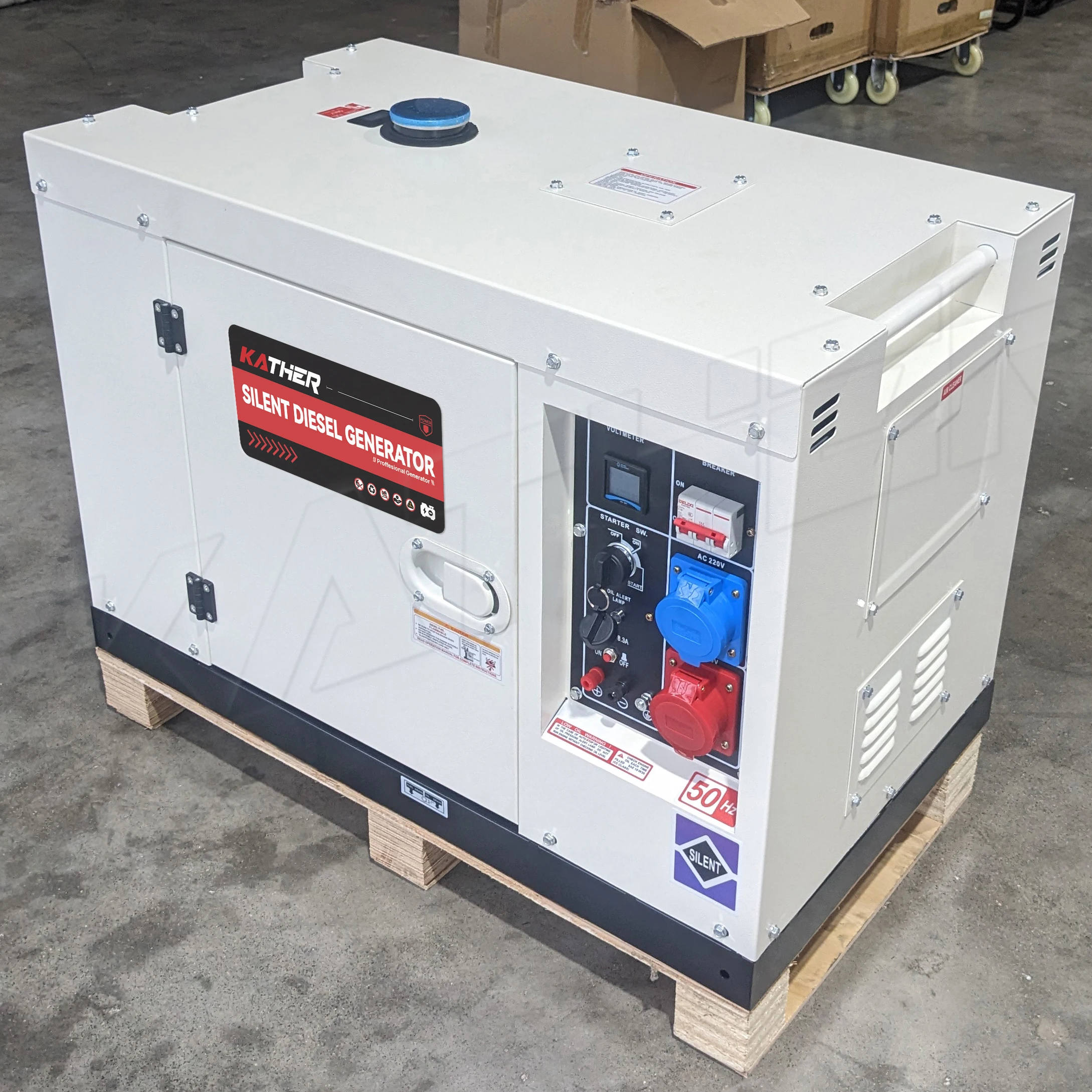
The evolution of power generation technology has led to remarkable improvements in both efficiency and noise reduction capabilities. Today's diesel silent generators incorporate advanced engineering principles that significantly reduce operational sound levels while maintaining optimal fuel efficiency and power output. This technological advancement addresses the growing need for environmentally conscious power solutions that meet strict noise regulations in urban and residential areas.
Advanced Sound Dampening Technology
Acoustic Enclosure Design
The foundation of effective noise reduction in diesel silent generators lies in sophisticated acoustic enclosure design. These enclosures utilize multi-layered sound-absorbing materials that create barriers against engine noise transmission. High-density foam panels, perforated metal screens, and specialized acoustic blankets work together to absorb sound waves across different frequency ranges. The enclosure design also incorporates strategic ventilation systems that maintain optimal engine cooling while preventing sound leakage.
Professional-grade acoustic enclosures feature weather-resistant construction materials that protect internal components from environmental factors. The enclosure framework typically consists of heavy-duty steel or aluminum structures designed to withstand industrial operating conditions. Sound dampening effectiveness is measured through rigorous testing protocols that ensure compliance with international noise standards and local regulations.
Engine Mounting Systems
Vibration isolation represents another critical component in diesel silent generators noise reduction strategy. Advanced mounting systems utilize spring-loaded isolators and rubber dampeners that prevent engine vibrations from transmitting through the generator frame to surrounding structures. These isolation systems are precisely calibrated to match specific engine characteristics and operating frequencies, ensuring maximum effectiveness across the entire RPM range.
The mounting configuration also incorporates flexible connections for fuel lines, exhaust systems, and electrical components. These flexible connections prevent vibration transmission while maintaining system integrity and reliability. Regular maintenance of mounting systems ensures continued effectiveness and prevents degradation of noise reduction performance over time.
Performance Specifications and Capabilities
Power Output Ranges
Contemporary diesel silent generators are available in comprehensive power ranges from compact 5kVA units to large-scale industrial systems exceeding 2000kVA. This extensive range accommodates diverse application requirements, from small office backup power to full industrial facility support. Single-phase and three-phase configurations provide flexibility for different electrical system requirements and load characteristics.
Power output stability remains consistent across varying load conditions, with modern voltage regulation systems maintaining output within strict tolerance limits. Advanced engine management systems automatically adjust fuel delivery and air intake to optimize performance under changing load demands. This intelligent power management ensures maximum fuel efficiency while maintaining stable electrical output characteristics.
Fuel Efficiency Metrics
Fuel consumption efficiency in diesel silent generators has improved significantly through advanced engine technology and sophisticated control systems. Modern units typically achieve fuel consumption rates ranging from 0.25 to 0.35 liters per kWh, depending on load factors and operating conditions. Electronic fuel injection systems precisely control fuel delivery, optimizing combustion efficiency and reducing emissions while maintaining performance standards.
Extended runtime capabilities allow diesel silent generators to operate continuously for hundreds of hours with proper maintenance scheduling. Large-capacity fuel tanks and optional auxiliary fuel systems enable extended operation periods without refueling interruptions. Fuel monitoring systems provide real-time consumption data and predictive maintenance alerts to optimize operational efficiency.
Industrial Applications and Use Cases
Healthcare Facilities
Healthcare environments require absolutely reliable backup power systems that operate silently to avoid disrupting patient care activities. Diesel silent generators provide critical power support for medical equipment, life support systems, and essential facility operations without creating noise disturbances in patient areas. Hospital installations typically require multiple generator units with automatic transfer switching to ensure seamless power transition during utility outages.
Emergency power systems in healthcare facilities must comply with strict regulatory requirements and undergo regular testing procedures. Diesel silent generators meet these demanding specifications while providing the reliability necessary for critical medical applications. Sound levels are maintained below 60 decibels at standard measurement distances, ensuring compliance with healthcare facility noise regulations.
Data Centers and IT Infrastructure
Modern data centers depend on diesel silent generators for uninterrupted power supply to maintain server operations and prevent data loss during utility failures. These facilities require power systems that operate without creating acoustic interference with sensitive electronic equipment. Advanced generator control systems integrate seamlessly with data center power management systems, providing automatic startup, load transfer, and monitoring capabilities.
Cooling requirements in data center applications demand generators with enhanced ventilation systems that maintain optimal operating temperatures without compromising sound reduction effectiveness. Multiple generator configurations provide redundancy and scalability to match growing IT infrastructure demands. Remote monitoring capabilities allow facility managers to track generator performance and maintenance requirements from centralized control systems.
Installation and Maintenance Requirements
Site Preparation Standards
Proper installation of diesel silent generators requires careful attention to site preparation and environmental considerations. Foundation requirements vary based on generator size and local soil conditions, with concrete pads typically providing optimal stability and vibration isolation. Adequate clearance space around the generator ensures proper ventilation and maintenance access while complying with local fire safety regulations.
Fuel system installation includes primary and secondary containment measures to prevent environmental contamination. Professional installation teams coordinate utility connections, transfer switch installation, and system commissioning to ensure optimal performance and regulatory compliance. Site-specific acoustic analysis may be required to verify noise level compliance in sensitive environments.
Preventive Maintenance Protocols
Regular maintenance scheduling ensures continued reliability and performance optimization of diesel silent generators throughout their operational lifecycle. Comprehensive maintenance programs include engine oil analysis, filter replacement, cooling system inspection, and acoustic enclosure condition assessment. Preventive maintenance intervals are typically based on operating hours or calendar time, whichever occurs first.
Professional maintenance technicians utilize specialized diagnostic equipment to monitor engine performance parameters and identify potential issues before they affect system reliability. Battery maintenance, control system calibration, and transfer switch testing are essential components of comprehensive maintenance programs. Detailed maintenance records support warranty compliance and help optimize maintenance scheduling for maximum cost effectiveness.
Economic Benefits and Return on Investment
Operational Cost Analysis
Investment in diesel silent generators provides measurable economic benefits through reduced downtime costs and improved operational efficiency. Fuel costs represent the primary ongoing expense, with modern engines delivering improved fuel economy compared to older generator technologies. Maintenance costs remain predictable through structured service programs that prevent unexpected repair expenses and extend equipment lifecycle.
Energy cost savings can be achieved through peak shaving applications where diesel silent generators supplement utility power during high-demand periods. Load management strategies utilize generator capacity to reduce demand charges and optimize overall energy costs. Professional economic analysis helps determine optimal generator sizing and configuration for specific application requirements.
Property Value Enhancement
Installation of diesel silent generators can significantly enhance commercial property values by providing reliable backup power capabilities that attract quality tenants and reduce vacancy rates. Properties equipped with professional-grade backup power systems command premium rental rates and maintain higher occupancy levels. Insurance benefits may include reduced premiums for properties with certified emergency power systems.
Business continuity capabilities provided by diesel silent generators protect against revenue losses during power outages and maintain customer confidence in service reliability. Professional installation and maintenance documentation supports property valuation and facilitates future resale transactions. Environmental compliance through low-emission generator technology enhances property marketability and regulatory compliance.
FAQ
What noise levels can be expected from diesel silent generators
Diesel silent generators typically operate at noise levels between 55-65 decibels measured at 7 meters distance, which is comparable to normal conversation levels. Advanced acoustic enclosures can reduce noise levels further, with some units achieving less than 50 decibels for ultra-quiet applications. Actual noise levels vary based on generator size, load conditions, and specific acoustic treatment configurations.
How long can diesel silent generators operate continuously
Modern diesel silent generators are designed for continuous operation with proper maintenance scheduling. Most units can run continuously for 500-1000 hours between major maintenance intervals, with some industrial-grade systems capable of extended operation periods. Continuous duty ratings ensure reliable performance for applications requiring extended runtime capabilities without compromising engine longevity or performance specifications.
What maintenance is required for optimal performance
Regular maintenance for diesel silent generators includes engine oil changes every 200-500 operating hours, air filter replacement, coolant system inspection, and battery maintenance. Professional service programs typically include comprehensive inspections every 6-12 months depending on usage patterns. Acoustic enclosure maintenance involves cleaning ventilation systems and inspecting sound dampening materials to ensure continued noise reduction effectiveness.
Are diesel silent generators suitable for urban installations
Diesel silent generators are specifically designed for urban environments where noise regulations and community considerations are paramount concerns. Advanced sound dampening technology and emissions control systems ensure compliance with municipal regulations while providing reliable backup power. Professional installation teams coordinate with local authorities to ensure proper permitting and regulatory compliance for urban generator installations.