EN
EN

When reliable power is essential for off-grid living or emergency situations, choosing the right generator becomes a critical decision that can impact your safety, comfort, and productivity. Modern diesel engine technology has revolutionized portable power generation, offering superior fuel efficiency, durability, and cost-effectiveness compared to gasoline alternatives. Whether you're planning an extended stay in a remote cabin, preparing for natural disasters, or need backup power for essential equipment, understanding the advantages and specifications of diesel-powered generators will help you make an informed investment that serves your needs for years to come.
Understanding Diesel Engine Technology in Modern Generators
Core Components and Engineering Excellence
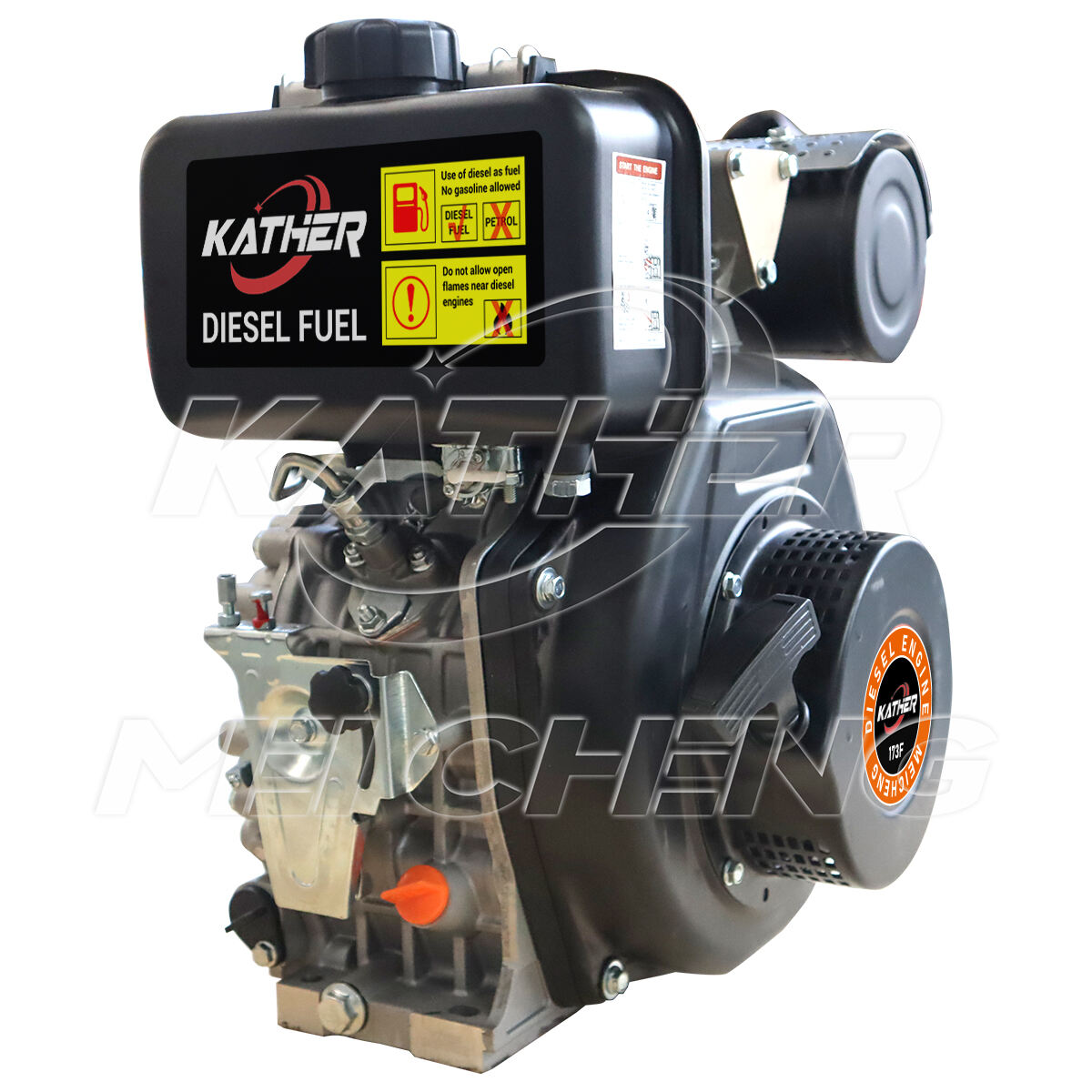
The heart of any exceptional generator lies in its diesel engine design, which incorporates precision-engineered components that work together to deliver consistent power output. Modern diesel engines feature advanced fuel injection systems that optimize combustion efficiency, resulting in lower emissions and improved performance. The compression ignition system inherent in diesel engine technology eliminates the need for spark plugs, reducing maintenance requirements and increasing operational reliability in harsh environments.
Contemporary diesel generators utilize sophisticated cooling systems that maintain optimal operating temperatures even during extended runtime periods. These engines incorporate heavy-duty air filtration systems that protect internal components from dust and debris, which is particularly important for off-grid applications where environmental conditions can be challenging. The robust construction of diesel engine blocks, typically cast from high-grade iron or aluminum alloys, ensures longevity and resistance to thermal stress.
Fuel Efficiency and Economic Advantages
One of the most compelling reasons to choose a diesel engine generator is the superior fuel efficiency that translates directly into cost savings over time. Diesel fuel contains approximately 15% more energy per gallon than gasoline, allowing these generators to operate longer on the same amount of fuel. This efficiency becomes especially valuable during emergency situations where fuel availability may be limited or when operating in remote locations where fuel delivery is expensive.
The economic benefits extend beyond fuel efficiency to include longer service intervals and reduced maintenance costs. A well-maintained diesel engine can operate for thousands of hours between major overhauls, making it an excellent long-term investment for serious off-grid enthusiasts and emergency preparedness applications. The durability of diesel engine components means fewer unexpected breakdowns and more predictable maintenance schedules.
Power Output and Capacity Considerations
Matching Generator Size to Your Needs
Selecting the appropriate power capacity requires careful analysis of your electrical demands, both for essential systems and comfort equipment. A typical off-grid setup might need to power refrigeration, lighting, communication devices, and water pumps, while emergency applications often focus on maintaining critical systems like medical equipment, security systems, and basic household appliances. Understanding the starting surge requirements of motors and compressors is crucial when sizing your diesel engine generator.
Modern diesel generators are available in a wide range of capacities, from compact 5kVA units suitable for small cabins to robust 20kVA systems capable of powering entire households. The key is to calculate your continuous load requirements and add a safety margin of 20-25% to accommodate unexpected demands or future expansion. Consider both single-phase and three-phase options based on your specific equipment requirements and local electrical standards.
Load Management and Power Quality
Professional-grade diesel generators incorporate sophisticated voltage regulation systems that maintain stable power output regardless of load variations. This stability is essential for sensitive electronic equipment that requires clean, consistent power to operate properly. Advanced alternators paired with automatic voltage regulators ensure that voltage fluctuations remain within acceptable limits, protecting your valuable equipment from damage.
Load management features in modern diesel generators include automatic load shedding capabilities and priority power distribution systems. These features allow the diesel engine to operate at optimal efficiency while ensuring that critical systems receive power even when total demand exceeds generator capacity. Smart control systems monitor power consumption patterns and can automatically start or stop the generator based on battery charge levels or time-of-day programming.
Silent Operation and Noise Control Features
Advanced Sound Dampening Technology
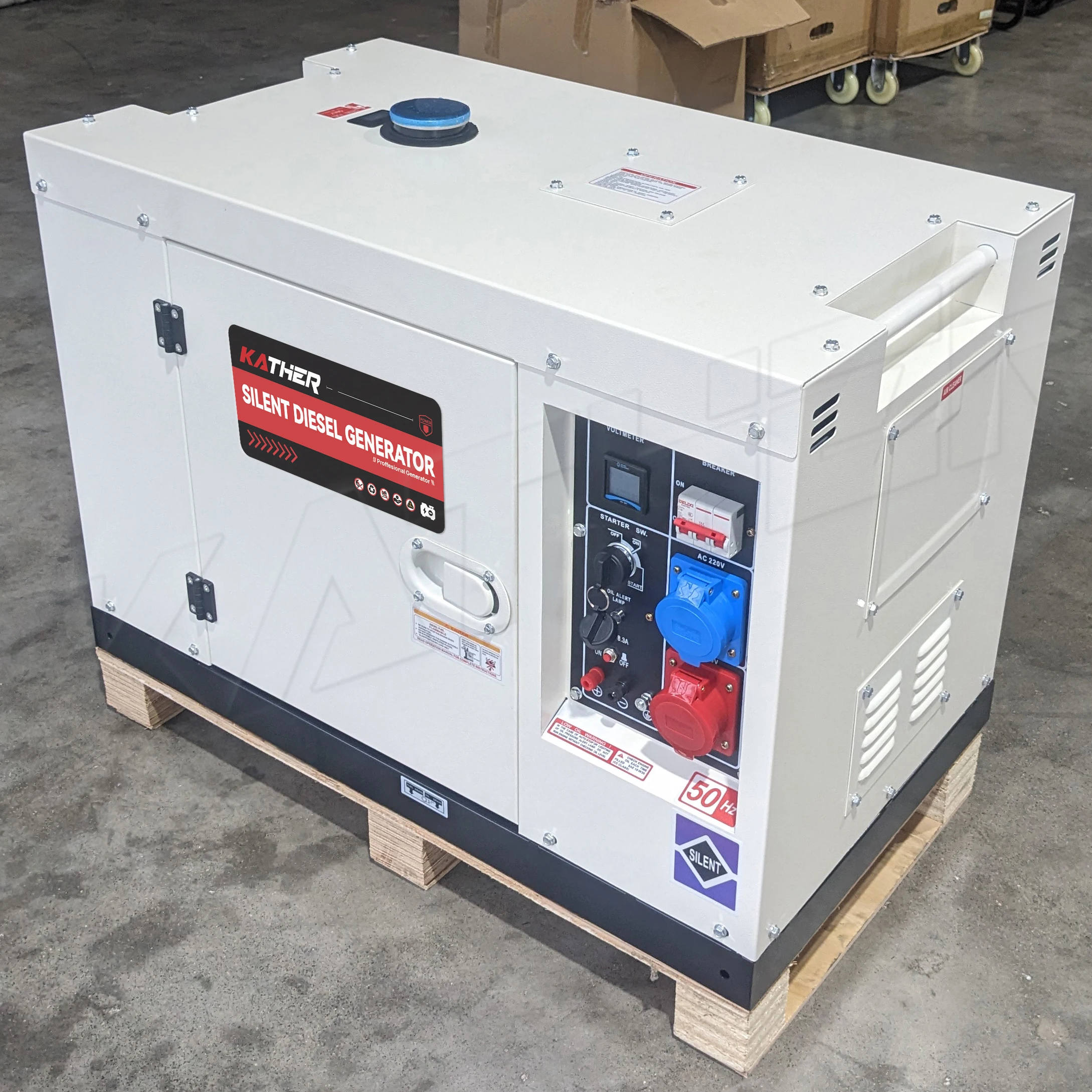
One of the most significant improvements in modern diesel generator design is the integration of comprehensive noise control systems that make these units suitable for residential and recreational applications. Super-silent diesel generators incorporate multi-layered acoustic enclosures that dramatically reduce operational noise without compromising cooling efficiency or accessibility for maintenance. These enclosures typically feature high-density foam insulation, vibration-dampening materials, and strategically placed ventilation openings that minimize sound escape.
The diesel engine itself contributes to quieter operation through precision balancing and anti-vibration mounting systems that isolate the engine from the generator frame. Modern diesel engines utilize refined combustion chamber designs and optimized injection timing that reduce combustion noise while maintaining efficiency. Sophisticated muffler systems with multiple expansion chambers and sound-absorbing materials further reduce exhaust noise to acceptable levels for neighborhood use.
Installation and Placement Strategies
Proper installation plays a crucial role in minimizing noise impact and maximizing the effectiveness of built-in sound control features. Strategic placement of your diesel generator can significantly reduce perceived noise levels through the use of natural barriers, distance, and directional considerations. Installing generators on vibration-isolating pads prevents structural transmission of engine vibrations that could amplify noise in buildings or through the ground.
Consider the prevailing wind direction and proximity to windows, outdoor living spaces, and neighboring properties when selecting an installation location. Creating a dedicated generator shelter or utilizing landscaping features like berms and dense vegetation can provide additional sound buffering while protecting the equipment from weather exposure. Proper ventilation and clearance requirements must be maintained regardless of noise control measures to ensure safe and efficient diesel engine operation.
Maintenance Requirements and Longevity Factors
Preventive Maintenance Schedules
The exceptional longevity of diesel engine generators depends heavily on adherence to manufacturer-recommended maintenance schedules and the use of quality lubricants and filters. Regular oil changes using high-grade diesel engine oil are fundamental to protecting internal components from wear and contamination. Typical maintenance intervals range from 100 to 250 operating hours for oil changes, depending on operating conditions and oil quality.
Air filter maintenance is particularly critical for diesel generators operating in dusty or debris-laden environments common in off-grid locations. Clean air filters ensure optimal combustion efficiency and protect the diesel engine from premature wear. Fuel system maintenance includes regular fuel filter replacement and periodic fuel tank cleaning to prevent contamination from affecting engine performance and reliability.
Long-term Storage and Seasonal Preparation
Proper storage procedures are essential for maintaining diesel generator readiness during periods of infrequent use. Diesel fuel has excellent storage characteristics compared to gasoline, but proper fuel treatment and tank maintenance prevent issues like fuel degradation and microbial growth. Using fuel stabilizers and biocides helps maintain fuel quality during extended storage periods while regular exercise running prevents fuel system problems and keeps the diesel engine in operational condition.
Seasonal preparation involves checking coolant levels and freeze protection, inspecting electrical connections for corrosion, and verifying battery condition and charge levels. Block heater systems in cold climate installations ensure reliable starting in low temperatures while maintaining optimal diesel engine performance. Regular testing under load conditions verifies that all systems function properly when emergency power is needed most.
Safety Features and Emergency Preparedness
Automatic Safety Systems
Modern diesel generators incorporate comprehensive safety systems that protect both the equipment and users from potential hazards. Low oil pressure shutdowns prevent catastrophic diesel engine damage by automatically stopping operation when lubrication becomes inadequate. High temperature protection systems monitor coolant and engine temperatures, initiating shutdown sequences before thermal damage can occur.
Electrical safety features include ground fault protection, overcurrent protection, and emergency stop systems that can quickly interrupt power generation in dangerous situations. Carbon monoxide detection systems are increasingly common in diesel generators, providing early warning of exhaust gas accumulation in enclosed spaces. Automatic transfer switches ensure safe connection and disconnection from electrical systems without risk of backfeeding power into utility lines.
Emergency Response Capabilities
The reliability of diesel engine technology makes these generators ideal for emergency response applications where power restoration speed can be life-critical. Automatic start systems can restore power within seconds of detecting utility failure, ensuring continuous operation of medical equipment, security systems, and communication devices. Remote monitoring capabilities allow users to check generator status and receive alerts about maintenance needs or operational issues from distant locations.
Battery backup systems ensure that control circuits remain operational even when the main diesel engine is not running, enabling automatic start functions and maintaining system programming. Weather-resistant enclosures protect sensitive electronic components from moisture and temperature extremes, ensuring reliable operation in adverse conditions. Multiple fuel tank configurations provide extended runtime capability for situations requiring days or weeks of continuous emergency power.
Cost Analysis and Return on Investment
Initial Investment Considerations
The upfront cost of a quality diesel generator represents a significant investment, but the long-term value proposition often justifies the initial expense. High-quality diesel engine generators typically cost more than equivalent gasoline units, but the superior fuel efficiency, longer service life, and lower maintenance requirements create compelling economic advantages over time. Professional installation costs should be factored into the total investment, as proper setup is crucial for optimal performance and safety.
Financing options and manufacturer warranties provide additional value considerations when evaluating different diesel generator options. Extended warranty coverage can protect against unexpected repair costs while financing programs make high-quality equipment more accessible to budget-conscious buyers. Consider the total cost of ownership including fuel, maintenance, and potential repair expenses when comparing different models and manufacturers.
Long-term Value and Resale Considerations
Diesel generators maintain their value exceptionally well due to the durability and desirability of diesel engine technology in the used equipment market. Well-maintained units can retain 60-70% of their original value after five years of typical use, making them sound investments for both personal use and potential resale. The commercial and industrial demand for reliable diesel power generation ensures a strong secondary market for quality equipment.
Regular maintenance documentation and service records significantly impact resale value, as buyers seek evidence of proper care and maintenance history. Upgrading control systems and adding modern features like remote monitoring can enhance both usability and resale appeal. The reputation of established manufacturers and the availability of parts and service support also influence long-term value retention.
FAQ
How often should I service my diesel engine generator
Regular maintenance schedules vary based on operating hours and environmental conditions, but most diesel generators require oil changes every 100-250 hours of operation. Air and fuel filters should be inspected every 50 hours and replaced as needed, while coolant systems require annual inspection and service. Following manufacturer specifications and keeping detailed maintenance records ensures optimal performance and longevity of your diesel engine investment.
What size diesel generator do I need for my off-grid home
Determining the correct generator size requires calculating your total electrical load including starting surge requirements for motors and pumps. A typical off-grid home needs between 10-20kVA capacity depending on appliances and comfort systems. Consider both continuous load requirements and peak demand when sizing your diesel engine generator, and add 20-25% capacity margin for future expansion and unexpected loads.
Can diesel generators operate safely in extreme weather conditions
Quality diesel generators are designed to operate reliably in a wide range of weather conditions with proper installation and maintenance. Cold weather starting systems and block heaters ensure reliable operation in sub-freezing temperatures, while weatherproof enclosures protect components from moisture and environmental exposure. The robust nature of diesel engine technology provides excellent reliability in challenging conditions when properly maintained.
What are the environmental considerations of using diesel generators
Modern diesel engines produce significantly lower emissions than older designs while offering superior fuel efficiency compared to gasoline alternatives. Proper maintenance and high-quality diesel fuel minimize environmental impact while advanced emission control systems reduce harmful pollutants. Many regions have specific regulations regarding generator emissions and fuel storage that should be researched before installation to ensure compliance with local environmental requirements.