EN
EN

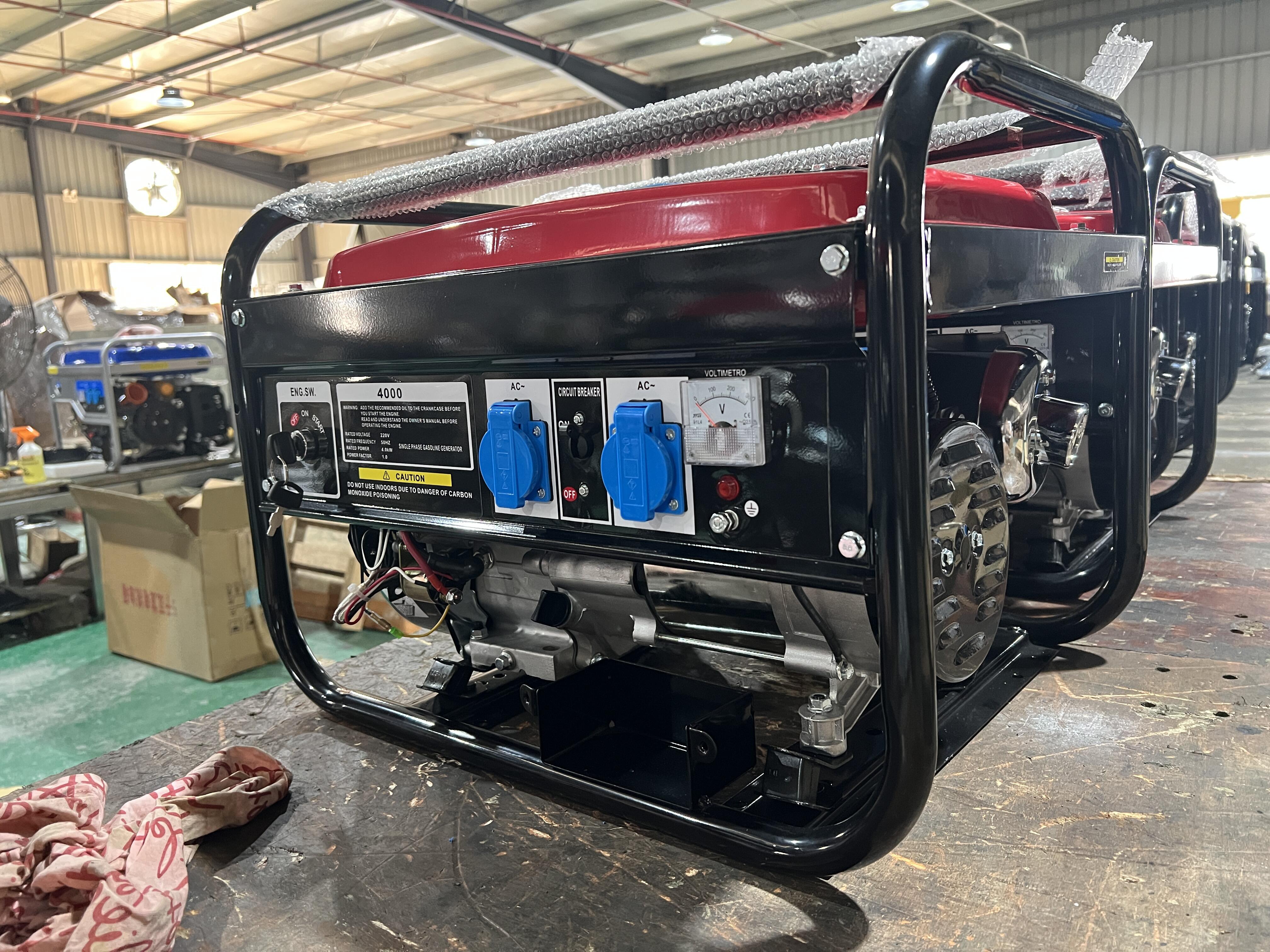
Power outages can strike without warning, leaving homes without electricity for hours or even days. When the grid fails, reliable backup power becomes essential for maintaining comfort, safety, and essential operations. Modern gasoline generators offer an effective solution for residential backup power needs, combining portability with sufficient output to keep critical systems running. These versatile units have evolved significantly in recent years, incorporating advanced inverter technology that delivers clean, stable power suitable for sensitive electronics and appliances.
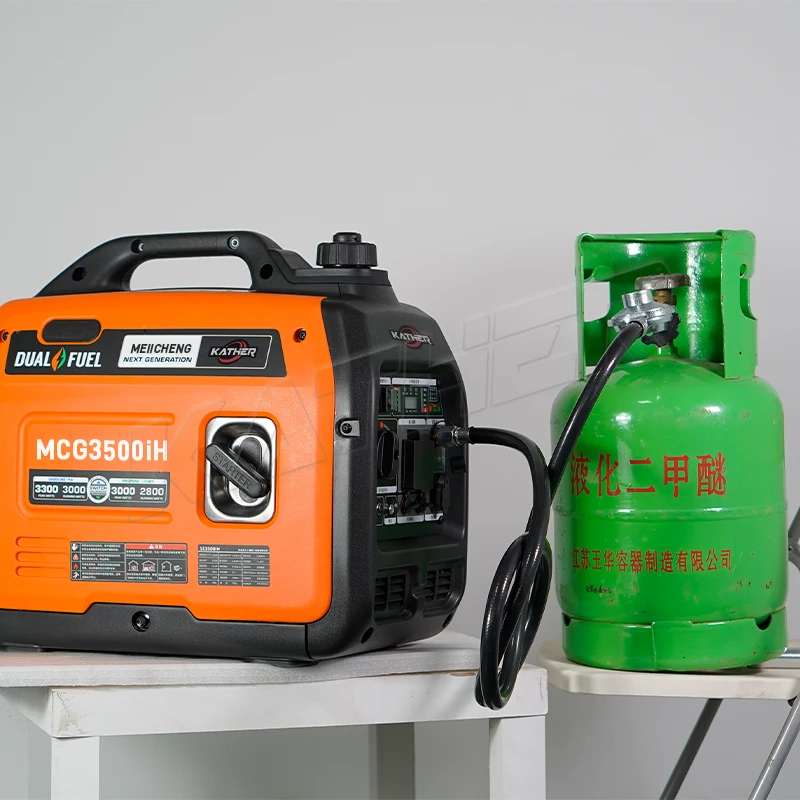
The landscape of residential backup power has transformed dramatically as manufacturers continue to refine gasoline generator technology. Today's models feature improved fuel efficiency, reduced noise levels, and enhanced reliability compared to their predecessors. Homeowners can now choose from a diverse range of portable units that deliver professional-grade performance while remaining accessible to non-technical users. Understanding the key features and capabilities of modern gasoline generators helps consumers make informed decisions when selecting backup power solutions for their homes.
Understanding Modern Inverter Generator Technology
Inverter Technology Benefits
Inverter technology represents a significant advancement in portable generator design, particularly for gasoline generators used in residential applications. Unlike conventional generators that produce raw alternating current, inverter models generate electricity through a sophisticated three-stage process. The engine initially produces alternating current, which gets converted to direct current, then inverted back to clean alternating current with precise voltage and frequency control. This process results in power quality that matches or exceeds utility-grade electricity, making it safe for laptops, smartphones, medical devices, and other sensitive electronics.
The stable power output from inverter gasoline generators eliminates the voltage fluctuations and harmonic distortion common in traditional units. This clean power prevents damage to delicate circuitry and ensures optimal performance of modern appliances. Additionally, inverter technology enables automatic throttle control, allowing the engine to adjust its speed based on electrical demand. This feature significantly improves fuel efficiency and reduces operating noise, making these generators more neighbor-friendly during extended outages.
Fuel Efficiency Advantages
Modern gasoline generators equipped with inverter technology demonstrate remarkable fuel efficiency improvements compared to conventional models. The variable throttle control system automatically adjusts engine speed to match the electrical load, consuming only the fuel necessary to meet current power demands. During low-load conditions, such as running a few lights and a refrigerator, the generator operates at reduced RPM, extending runtime and minimizing fuel consumption.
Advanced engine designs in contemporary gasoline generators incorporate optimized combustion chambers, improved carburetion systems, and enhanced air filtration. These refinements contribute to more complete fuel burning, reduced emissions, and extended component life. Many models now achieve runtime periods exceeding twelve hours on a single tank of gasoline when operating at moderate loads, providing extended backup power without frequent refueling interruptions.
Key Features for Home Backup Applications
Power Output Considerations
Selecting appropriate power output represents one of the most critical decisions when choosing gasoline generators for home backup applications. Residential power requirements vary significantly based on home size, appliance types, and lifestyle preferences during outages. A comprehensive power audit helps determine the minimum wattage needed to support essential systems like refrigeration, lighting, communication devices, and heating or cooling equipment.
Most portable gasoline generators designed for home use range from 2000 to 7500 watts, with many homeowners finding sweet spots between 3000 and 5000 watts for typical backup needs. These mid-range units can simultaneously power a refrigerator, several lights, a television, charging devices, and a furnace fan or window air conditioner. Higher wattage models accommodate additional loads like electric water heaters, well pumps, or whole-house fans, but require careful load management to prevent overloading.
Runtime and Fuel Capacity
Runtime capabilities directly impact the practicality of gasoline generators during extended power outages. Fuel tank capacity, combined with engine efficiency, determines how long a generator can operate without refueling. Most portable units feature fuel tanks ranging from 3 to 8 gallons, with larger tanks generally providing longer continuous operation times.
Understanding the relationship between load percentage and runtime helps optimize generator usage during outages. gasoline generators typically achieve maximum runtime when operating at 25-50% of their rated capacity. Running at full load significantly reduces operating time while very light loads may not engage the engine's optimal efficiency range. Strategic load management, including cycling non-essential appliances and using energy-efficient devices, maximizes available runtime from each fuel tank.
Top Portable Generator Categories
Compact Recreational Models
Compact gasoline generators in the 2000-3000 watt range serve dual purposes as both recreational and emergency backup units. These lightweight models, typically weighing between 50-70 pounds, offer excellent portability for camping, tailgating, and jobsite applications while providing sufficient power for essential home backup needs. Their smaller fuel tanks and reduced power output make them ideal for apartments, small homes, or situations requiring limited backup power duration.
Despite their compact size, modern recreational gasoline generators incorporate advanced features like electric start, USB charging ports, and parallel capability for connecting multiple units. The parallel connection feature effectively doubles available power output when two identical generators work together, providing flexibility for varying power requirements. These units excel in situations where storage space is limited and portability takes priority over maximum power output.
Mid-Range Residential Units
Mid-range gasoline generators between 3500-5500 watts represent the most popular choice for typical residential backup applications. These units strike an optimal balance between power output, fuel efficiency, portability, and affordability. Most models in this category can support essential household circuits including refrigeration, lighting, electronics, and heating system components simultaneously.
Advanced features commonly found in mid-range gasoline generators include electric start with recoil backup, automatic voltage regulation, low-oil shutdown protection, and multiple outlet configurations. Many units provide both 120V and 240V output options, enabling connection to larger appliances or direct connection to home electrical panels through transfer switches. The combination of adequate power output and reasonable fuel consumption makes these generators suitable for extended outage periods lasting several days.
Installation and Safety Considerations
Proper Placement and Ventilation
Safe operation of gasoline generators requires careful attention to placement and ventilation requirements. These units must operate outdoors with adequate clearance from buildings, windows, and air intake systems to prevent carbon monoxide accumulation. The National Fire Protection Association recommends maintaining at least 20 feet of distance from any building opening, including doors, windows, and vents.
Weather protection becomes important during extended operation periods, but coverings must not impede airflow or create fire hazards. Purpose-built generator covers or simple lean-to structures provide rain protection while maintaining proper ventilation. Ground surfaces should be level and stable, avoiding areas prone to flooding or excessive moisture accumulation. Proper placement also considers noise impact on neighbors while ensuring convenient access for refueling and maintenance tasks.
Electrical Connection Methods
Connecting gasoline generators to home electrical systems requires careful planning and often professional installation to ensure safety and code compliance. Extension cord connections work well for powering individual appliances but become cumbersome when supporting multiple circuits. Manual transfer switches provide a safer, more convenient solution by allowing selected home circuits to receive generator power while maintaining isolation from utility lines.
Professional electricians can install transfer switches ranging from basic manual units covering 6-10 circuits to sophisticated automatic systems that monitor utility power and start generators automatically. Manual transfer switches offer excellent value for most residential applications, providing safe connection methods while remaining cost-effective. Proper grounding and adherence to local electrical codes ensure safe operation and prevent electrical hazards during power outages.
Maintenance and Longevity
Routine Maintenance Requirements
Regular maintenance ensures reliable operation and extends the service life of gasoline generators used for home backup applications. Basic maintenance tasks include checking and changing engine oil, replacing air filters, inspecting spark plugs, and maintaining proper fuel quality. Most manufacturers recommend oil changes every 50-100 hours of operation or at least annually, even with limited use.
Fuel system maintenance becomes particularly important for gasoline generators that sit idle between uses. Gasoline degrades over time, forming deposits that can clog carburetors and fuel systems. Using fuel stabilizers or ethanol-free gasoline helps prevent fuel-related problems during storage periods. Many operators choose to run their generators monthly for 15-30 minutes to circulate fresh fuel and ensure components remain functional.
Long-term Storage Practices
Proper storage techniques significantly impact the reliability and lifespan of backup gasoline generators. Long-term storage preparation typically involves running the engine until the carburetor empties or using fuel stabilizer to prevent fuel degradation. Some operators prefer to drain fuel tanks completely while others maintain full tanks with stabilizer to prevent condensation and corrosion.
Storage environments should remain dry and well-ventilated while protecting generators from extreme temperatures and moisture. Regular inspection during storage periods helps identify potential issues before they become major problems. Battery maintenance for electric-start models includes periodic charging and terminal cleaning to ensure reliable starting when backup power becomes necessary.
Cost Analysis and Value Considerations
Initial Investment Factors
The initial cost of gasoline generators varies significantly based on power output, features, and build quality. Entry-level portable units suitable for basic backup needs typically range from $500-$1200, while premium models with advanced features and higher power outputs can exceed $3000. Inverter technology generally adds $200-$500 to comparable conventional generator prices but provides significant value through improved fuel efficiency and power quality.
Additional costs beyond the generator purchase include installation accessories like transfer switches, extension cords, and covers. Professional installation of transfer switches ranges from $800-$2500 depending on complexity and local labor rates. When evaluating total system costs, buyers should consider the convenience and safety benefits of proper installation versus the limitations of extension cord connections.
Operating Cost Considerations
Operating costs for gasoline generators include fuel consumption, maintenance supplies, and occasional repairs over the unit's lifespan. Fuel costs vary with local gasoline prices and generator efficiency, but typical residential backup usage during outages results in relatively modest annual fuel expenses. Most homeowners spend less than $100 annually on fuel for occasional backup generator use.
Maintenance costs remain minimal for properly maintained gasoline generators, typically involving $50-$100 annually for oil, filters, and spark plugs. Quality units from reputable manufacturers often provide 10-15 years of reliable service with proper maintenance, making them cost-effective long-term investments in home preparedness. Comparing operating costs with alternative backup power solutions like battery systems or whole-house generators helps justify the value proposition of portable gasoline units.
FAQ
How long can gasoline generators run continuously during power outages
Most portable gasoline generators can operate continuously for 8-12 hours on a full fuel tank when running at moderate loads, typically 25-50% of their rated capacity. Runtime decreases significantly at full load but increases when powering only essential appliances. For extended outages, plan for refueling every 8-10 hours and allow brief cooling periods if running continuously for more than 24 hours. Always maintain spare gasoline in approved containers and follow local regulations for fuel storage quantities.
What size generator do I need to power essential home appliances
A 3500-5000 watt gasoline generator typically handles essential residential backup needs including refrigerator, furnace fan, lights, electronics, and several outlets simultaneously. Calculate your specific needs by adding the starting watts of major appliances, as motors require 2-3 times their running wattage to start. Refrigerators typically need 1200-2000 starting watts, furnace fans require 1500-2500 watts, and sump pumps can demand 3000+ starting watts. Consider load management strategies to operate larger appliances in rotation rather than simultaneously.
Are inverter gasoline generators worth the extra cost for home backup
Inverter gasoline generators provide excellent value for home backup applications despite higher upfront costs. The clean power output protects sensitive electronics, improved fuel efficiency reduces operating costs, and quieter operation minimizes neighborhood disruption during extended outages. Variable throttle control can reduce fuel consumption by 40% compared to conventional generators when running light loads. The combination of better power quality, efficiency, and reduced noise typically justifies the additional $200-$500 investment over conventional models.
What maintenance is required to keep backup gasoline generators reliable
Regular maintenance includes changing oil every 50-100 hours or annually, replacing air filters seasonally, checking spark plugs annually, and maintaining fresh fuel with stabilizer. Run the generator monthly for 15-30 minutes to circulate oil and fuel while ensuring proper operation. Before storage, either drain the fuel system or fill the tank with stabilized gasoline to prevent fuel degradation. Check battery condition on electric-start models and maintain proper storage conditions in dry, ventilated areas. Annual professional inspections help identify potential issues before they cause operational failures during emergencies.