EN
EN
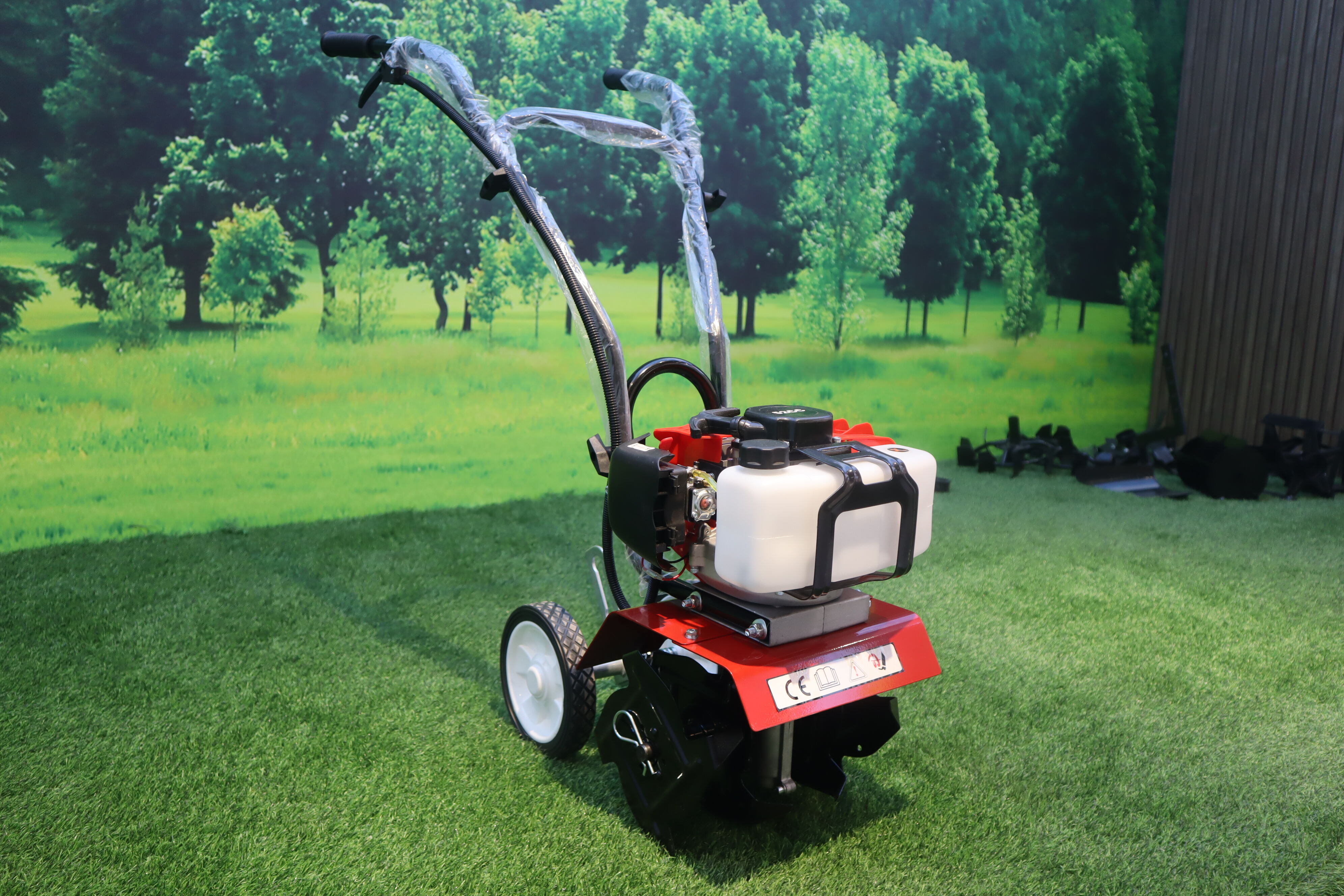
Agricultural mechanization has revolutionized farming practices worldwide, and selecting the right equipment remains crucial for modern farm operations. A tiller serves as an essential tool for soil preparation, breaking ground, and creating optimal growing conditions for various crops. Understanding the key factors that influence tiller performance can help farmers make informed purchasing decisions that maximize productivity and return on investment.
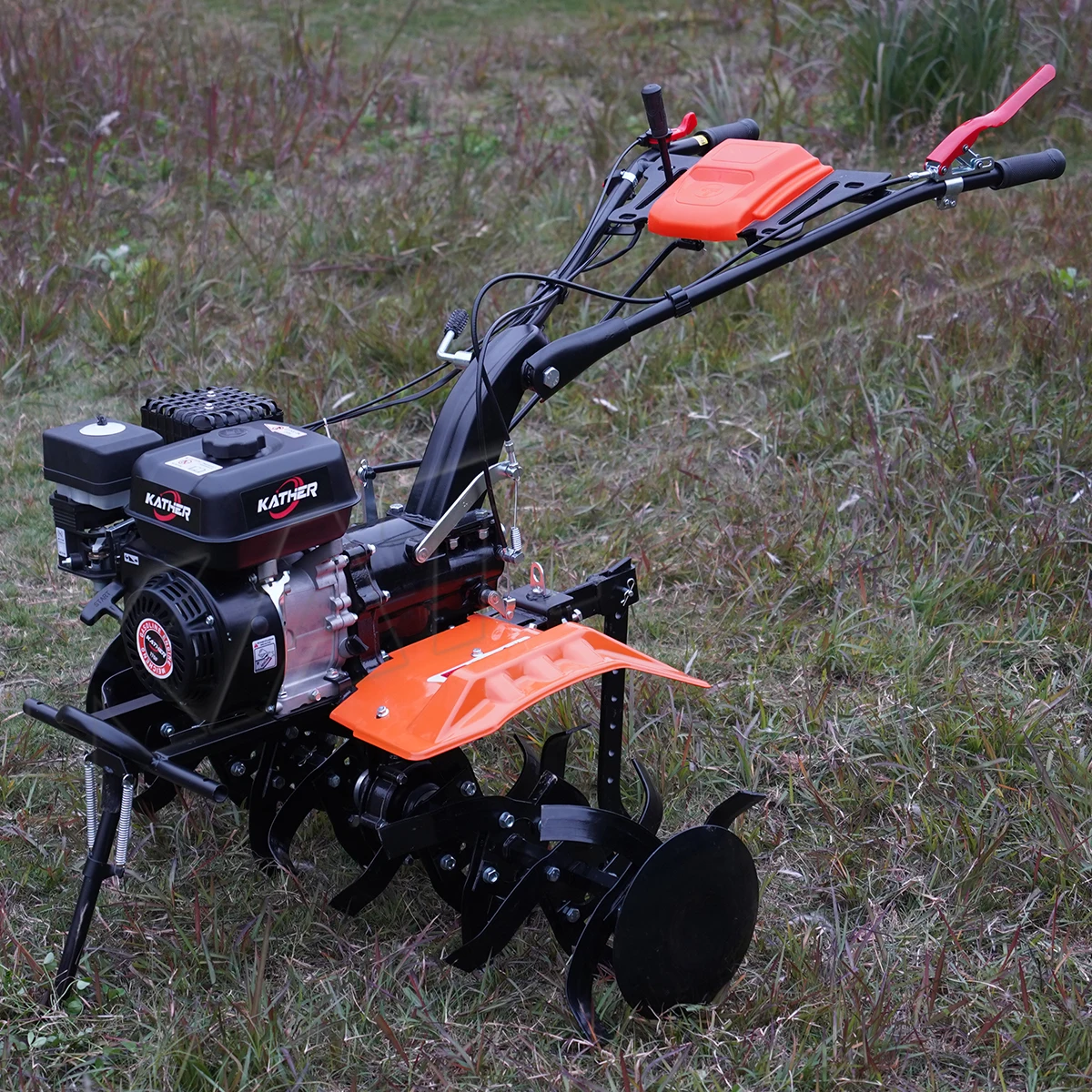
Modern farming demands equipment that combines reliability, efficiency, and versatility. The agricultural machinery market offers numerous tiller options, each designed to address specific soil conditions and cultivation requirements. From compact garden models to heavy-duty commercial units, the selection process involves evaluating multiple technical specifications, operational features, and long-term maintenance considerations.
Farm productivity directly correlates with equipment quality and proper tool selection. A well-chosen tiller can significantly reduce labor costs, improve soil structure, and enhance crop establishment rates. This comprehensive guide examines the critical factors that distinguish superior tiller performance from average equipment, helping agricultural professionals make strategic purchasing decisions.
Engine Performance and Power Specifications
Gasoline Engine Advantages
Gasoline-powered engines provide consistent performance across various operating conditions, making them ideal for professional agricultural applications. A quality tiller equipped with a reliable gasoline engine delivers superior torque output compared to electric alternatives, ensuring effective soil penetration even in challenging ground conditions. These engines typically offer excellent fuel efficiency while maintaining consistent power delivery throughout extended operation periods.
Engine displacement significantly impacts tiller performance, with larger engines providing greater torque for heavy-duty cultivation tasks. Professional-grade units often feature engines ranging from 150cc to 300cc, allowing operators to tackle diverse soil types and conditions. The power-to-weight ratio becomes crucial when selecting equipment for specific farm applications, as optimal balance ensures comfortable operation without sacrificing performance.
Modern gasoline engines incorporate advanced features such as recoil starting systems, automatic choke mechanisms, and vibration reduction technology. These enhancements improve operator comfort while ensuring reliable starting performance in various weather conditions. Quality engines also include air filtration systems designed to protect internal components from dust and debris commonly encountered during field operations.
Horsepower Requirements for Different Applications
Determining appropriate horsepower requirements depends on intended use, soil conditions, and cultivation depth preferences. Light-duty applications such as garden maintenance and small plot preparation typically require 3-5 horsepower, while commercial farming operations often demand 6-10 horsepower units for efficient productivity. A properly sized tiller ensures optimal fuel consumption while delivering adequate power for consistent soil preparation.
Heavy clay soils and compacted ground conditions necessitate higher horsepower ratings to achieve proper soil breaking and mixing. Professional operators often select units with power reserves exceeding immediate requirements, providing flexibility for future expansion or challenging seasonal conditions. This approach ensures long-term equipment utility and prevents underpowered performance issues that can compromise cultivation quality.
Variable throttle control allows operators to adjust power output based on specific working conditions, optimizing fuel consumption while maintaining effective soil preparation. Advanced tiller models incorporate governor systems that automatically adjust engine speed to maintain consistent performance regardless of load variations. These features contribute to improved efficiency and reduced operator fatigue during extended use periods.
Cultivation Width and Depth Capabilities
Working Width Selection Criteria
Working width directly impacts productivity and operational efficiency, with selections ranging from compact 12-inch models to commercial units exceeding 24 inches. A tiller with adjustable width capabilities provides versatility for different row spacing requirements and field configurations. Narrow widths excel in tight spaces and established gardens, while wider units maximize productivity in open field applications.
Row crop cultivation requires precise width control to avoid damaging established plants while effectively managing soil conditions between rows. Professional models often feature removable tines or adjustable side shields that allow operators to customize working width based on specific crop requirements. This flexibility ensures optimal cultivation results while protecting valuable plants from accidental damage.
Transport considerations influence width selection, as wider units may require special handling or trailer modifications for farm-to-farm transportation. Foldable or removable outer tines provide solutions for operators requiring maximum field productivity while maintaining reasonable transport dimensions. These design features enhance equipment utility across diverse farming operations and geographical locations.
Depth Control and Soil Penetration
Precise depth control enables operators to achieve consistent cultivation results while protecting underground infrastructure such as irrigation lines and drainage systems. Quality depth adjustment mechanisms provide repeatable settings that ensure uniform soil preparation across entire field areas. A reliable tiller incorporates robust depth control systems that maintain accuracy under varying soil conditions and operational loads.
Maximum penetration depth capabilities vary significantly between tiller models, with professional units often achieving 8-12 inch depths for comprehensive soil preparation. Deep cultivation helps break compaction layers, improve drainage, and incorporate organic matter throughout the soil profile. Operators must balance penetration depth with fuel consumption and equipment wear to optimize long-term operational costs.
Skid shoes and depth wheels provide additional control mechanisms that enhance cultivation consistency while protecting equipment from excessive wear. These components allow operators to maintain uniform depths across uneven terrain while preventing tine damage from rocks or other subsurface obstacles. Proper depth control reduces equipment maintenance requirements while ensuring consistent soil preparation quality.
Tine Design and Configuration Options
Tine Material and Construction Quality
High-quality tine construction directly impacts tiller longevity and cultivation effectiveness, with premium units featuring heat-treated steel components designed for extended service life. Proper tine geometry ensures efficient soil cutting and mixing while minimizing power requirements and fuel consumption. A durable tiller incorporates replaceable tines that allow operators to maintain peak performance through routine maintenance procedures.
Tine spacing and arrangement significantly influence cultivation quality, with properly designed patterns ensuring complete soil coverage without excessive overlap or missed areas. Professional-grade units often feature offset tine arrangements that eliminate streaking while providing thorough soil mixing capabilities. These design elements contribute to improved seedbed preparation and enhanced crop establishment rates.
Reversible tines provide extended service life by allowing operators to flip worn components for continued use before requiring complete replacement. This feature reduces maintenance costs while ensuring consistent cultivation performance throughout the tine service life. Quality manufacturers design tine mounting systems that facilitate easy replacement without specialized tools or extensive disassembly procedures.
Forward and Reverse Rotation Capabilities
Reverse rotation functionality enhances tiller versatility by enabling operators to tackle different soil conditions and cultivation objectives. Forward rotation excels in general soil preparation and organic matter incorporation, while reverse operation provides superior results in heavy or compacted soils. This dual capability extends equipment utility across diverse agricultural applications and seasonal conditions.
Counter-rotating tines create different soil action patterns compared to standard forward rotation, often producing finer soil texture and improved seedbed preparation. Professional operators utilize reverse rotation for specialized applications such as creating raised beds or preparing delicate planting areas. The ability to select rotation direction provides operational flexibility that enhances cultivation quality and efficiency.
Transmission systems that support both rotation directions require robust construction and precise engineering to ensure reliable operation under varying load conditions. Quality units incorporate heavy-duty gearboxes with adequate lubrication systems that protect internal components during extended operation periods. These mechanical systems directly impact equipment longevity and operational reliability in demanding agricultural environments.
Transmission and Drive System Analysis
Gear Reduction Mechanisms
Proper gear reduction ensures optimal power transfer from engine to tines while providing manageable operating speeds for effective cultivation. A well-designed tiller incorporates multiple gear ratios that allow operators to select appropriate speeds for different soil conditions and cultivation objectives. Low-speed, high-torque operation proves essential for breaking compacted soils and incorporating heavy organic matter.
Chain drive systems provide reliable power transmission with minimal maintenance requirements when properly lubricated and adjusted. Quality manufacturers utilize heavy-duty chains and sprockets designed for agricultural applications, ensuring extended service life under demanding operational conditions. Regular chain maintenance prevents premature wear and maintains consistent power transfer efficiency throughout the equipment service life.
Belt drive alternatives offer smoother operation and reduced noise levels compared to chain systems, though they may require more frequent replacement in dusty environments. Professional-grade belt systems incorporate tension adjustment mechanisms that maintain proper drive engagement while accommodating normal belt stretch over time. These systems provide excellent power transfer efficiency when properly maintained and adjusted according to manufacturer specifications.
Clutch Systems and Engagement Methods
Centrifugal clutch systems provide automatic engagement based on engine speed, eliminating the need for manual operation while protecting equipment from damage during starting procedures. These systems engage smoothly as engine speed increases, providing gradual power transfer that reduces shock loads on drive components. A quality tiller incorporates properly calibrated clutch systems that engage at appropriate RPM levels for optimal performance.
Manual clutch controls provide operators with precise engagement timing and improved control during challenging cultivation conditions. These systems allow operators to disengage power transmission when encountering obstacles or when repositioning equipment between work areas. Manual controls prove particularly valuable when working around established plants or in confined spaces where precise control becomes essential.
Clutch adjustment capabilities ensure continued proper operation as components experience normal wear during extended use. Quality systems incorporate accessible adjustment mechanisms that allow operators to maintain optimal engagement characteristics without extensive disassembly procedures. Proper clutch adjustment prevents slipping while protecting drive components from excessive wear and premature failure.
Maneuverability and Operator Comfort Features
Handle Design and Ergonomics
Ergonomic handle design significantly impacts operator comfort and reduces fatigue during extended cultivation sessions. Quality handles incorporate vibration dampening materials and appropriate grip angles that minimize hand and arm stress while maintaining positive equipment control. Adjustable handle height accommodates operators of different statures, ensuring comfortable working positions for extended periods.
Foldable handles facilitate compact storage and transportation while maintaining structural integrity during operation. Professional-grade units feature robust locking mechanisms that secure handles in operating position while allowing quick adjustment for storage purposes. These design features enhance equipment convenience without compromising operational performance or safety considerations.
Control placement ensures easy access to throttle, clutch, and other operational functions without requiring operators to change grip or compromise equipment control. Intuitive control layouts reduce learning time while enhancing safety during operation. Quality manufacturers position controls based on ergonomic studies and operator feedback to optimize ease of use and operational efficiency.
Weight Distribution and Balance
Proper weight distribution ensures stable operation while reducing operator effort required for equipment control and maneuvering. A well-balanced tiller maintains consistent ground contact without excessive downward pressure that causes operator fatigue. Center of gravity placement directly impacts handling characteristics and determines ease of operation across varying terrain conditions.
Wheel options provide additional support and improve maneuverability when transporting equipment between work areas or during storage procedures. Adjustable wheel height allows operators to customize ground clearance and transport characteristics based on specific requirements. These features enhance equipment versatility while reducing physical demands on operators during routine use.
Counter-balance weights help optimize tilling action while reducing bounce and vibration that can cause operator fatigue and reduce cultivation quality. Professional units often incorporate adjustable weight systems that allow operators to fine-tune equipment balance for specific soil conditions and operational requirements. This customization capability ensures optimal performance across diverse agricultural applications and seasonal variations.
Maintenance Requirements and Service Considerations
Routine Maintenance Procedures
Regular maintenance schedules ensure continued reliable operation while preventing costly repairs and extending equipment service life. A comprehensive maintenance program includes engine oil changes, air filter cleaning, spark plug replacement, and drive system lubrication according to manufacturer recommendations. Following prescribed maintenance intervals protects warranty coverage while ensuring optimal performance throughout the equipment lifespan.
Tine inspection and replacement represents a critical maintenance aspect that directly impacts cultivation quality and equipment longevity. Worn or damaged tines reduce cultivation effectiveness while increasing fuel consumption and engine load. Regular tine examination allows operators to identify wear patterns and schedule replacements before performance degradation becomes noticeable in field operations.
Lubrication point access and service intervals vary between manufacturers and models, with quality units providing easily accessible grease fittings and oil fill locations. Proper lubrication prevents premature wear of bearings, chains, and other moving components while ensuring smooth operation under demanding conditions. Establishing lubrication schedules based on operating hours rather than calendar time provides more accurate maintenance timing for heavily used equipment.
Parts Availability and Service Support
Local parts availability significantly impacts equipment downtime and operational costs when repairs become necessary. Established manufacturers typically maintain extensive dealer networks that provide ready access to common replacement parts and service expertise. A tiller from a reputable manufacturer ensures continued parts support throughout the equipment service life, protecting the initial investment through reliable service availability.
Service manual quality and technical support availability influence the ease of performing routine maintenance and minor repairs. Comprehensive documentation allows operators to perform basic maintenance procedures while identifying issues that require professional service attention. Quality manufacturers provide detailed troubleshooting guides that help operators diagnose problems and determine appropriate corrective actions.
Warranty coverage terms and conditions vary significantly between manufacturers and models, with comprehensive coverage protecting against defects while encouraging proper maintenance practices. Extended warranty options often provide cost-effective protection for commercial operators who depend on reliable equipment performance for business operations. Understanding warranty requirements ensures compliance with maintenance schedules while protecting coverage validity.
Cost Analysis and Value Comparison
Initial Purchase Price Considerations
Equipment pricing varies significantly based on features, build quality, and manufacturer reputation, with professional-grade units commanding premium prices for enhanced durability and performance capabilities. A thorough cost analysis considers not only initial purchase price but also long-term operating costs, maintenance requirements, and expected service life. This comprehensive approach ensures optimal value while avoiding false economy decisions that increase total ownership costs.
Feature comparison across similar price ranges helps identify models that provide the best value for specific operational requirements. Essential features such as reliable starting, consistent power delivery, and durable construction take priority over convenience features that may not justify additional costs. Professional operators often find that investing in quality construction pays dividends through reduced maintenance costs and extended service life.
Financing options and seasonal promotions can significantly impact the effective purchase price, making higher-quality equipment more accessible to budget-conscious operators. Many dealers offer competitive financing terms that allow operators to acquire better equipment while spreading costs over multiple growing seasons. These programs often provide better value than compromising on equipment quality to meet immediate budget constraints.
Operating Cost Calculations
Fuel consumption rates directly impact operating costs and vary significantly between engine types and operating conditions. Efficient engines with proper carburetor calibration provide optimal fuel economy while maintaining adequate power for cultivation requirements. A fuel-efficient tiller reduces operating costs while minimizing environmental impact through reduced emissions and fuel consumption.
Maintenance cost projections based on manufacturer recommendations and operator usage patterns help establish realistic operating budgets and identify potential cost savings opportunities. Regular maintenance prevents major repairs while ensuring continued reliable operation throughout busy cultivation seasons. Professional operators often find that preventive maintenance costs significantly less than emergency repairs during critical operational periods.
Productivity calculations must account for cultivation speed, working width, and reliability factors that influence actual field completion rates. A reliable tiller that operates consistently provides better value than less expensive equipment that experiences frequent breakdowns or requires constant adjustment. These productivity factors often justify higher initial costs through improved operational efficiency and reduced labor requirements.
FAQ
What engine size is most appropriate for small farm operations
Small farm operations typically benefit from engines ranging from 5-8 horsepower, which provide adequate power for most cultivation tasks while maintaining reasonable fuel consumption and equipment costs. A tiller with 6-7 horsepower handles most soil conditions effectively while remaining manageable for operators of average physical capability. This power range offers excellent versatility for diverse cultivation requirements without the complexity and expense of larger commercial units.
How often should tines be replaced on a commercial tiller
Tine replacement frequency depends on soil conditions, usage intensity, and tine quality, with typical replacement intervals ranging from 100-300 operating hours for commercial applications. Rocky or abrasive soils accelerate tine wear, while softer soils allow extended service life. Regular inspection every 25-50 hours helps identify wear patterns and schedule replacements before cultivation quality deteriorates significantly.
What maintenance tasks can operators perform without professional service
Basic maintenance tasks including oil changes, air filter cleaning, spark plug replacement, and chain lubrication can typically be performed by operators with basic mechanical skills and appropriate tools. Most manufacturers provide detailed instructions for these procedures in operator manuals. More complex tasks such as engine rebuilding, transmission repair, or carburetor adjustment usually require professional service to ensure proper completion and warranty compliance.
How do I determine the appropriate working width for my operation
Working width selection should consider field size, row spacing requirements, and storage constraints to optimize productivity while maintaining equipment versatility. Larger fields benefit from wider units that reduce cultivation time, while smaller plots or established gardens may require narrower widths for maneuverability. A tiller with 16-20 inch working width provides good compromise between productivity and versatility for most mixed agricultural operations.