EN
EN

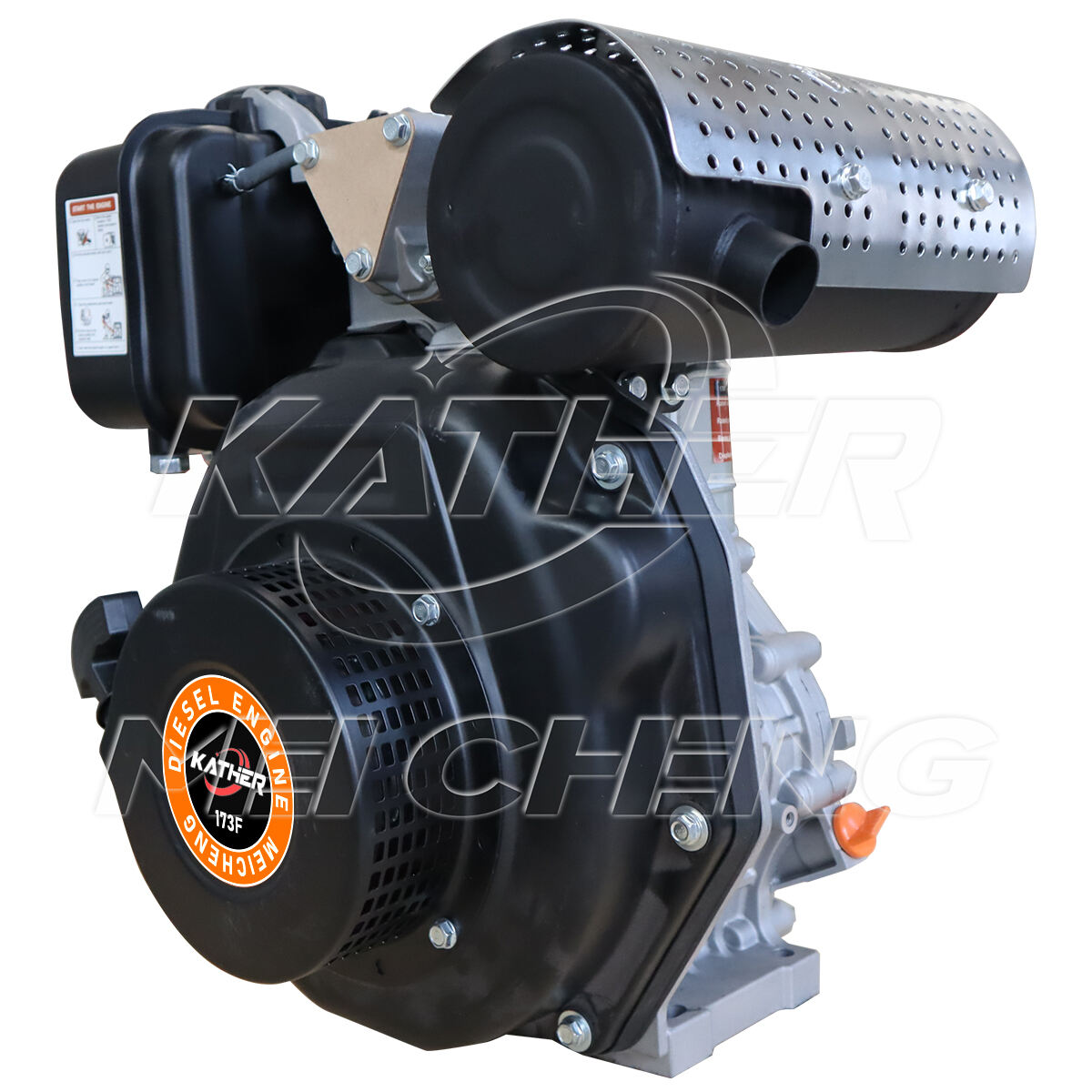
Choosing the right power generation solution for off-grid applications requires careful consideration of fuel type, efficiency, and long-term operational costs. While gasoline inverter generators have gained popularity for their compact design and quiet operation, diesel engine generators continue to dominate commercial and industrial applications due to their superior fuel efficiency and durability. Understanding the fundamental differences between these two power generation technologies will help you make an informed decision that aligns with your specific off-grid requirements and budget constraints.
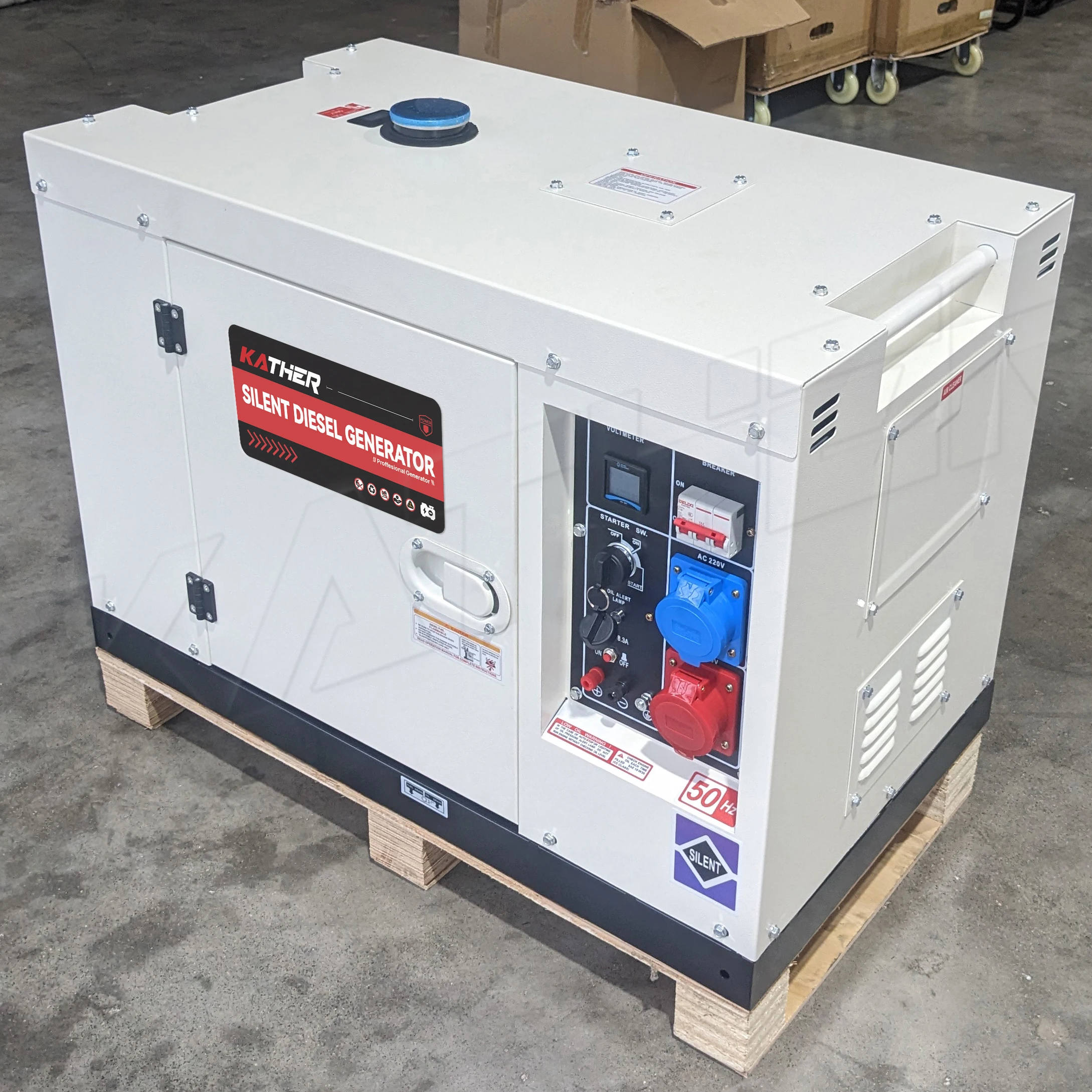
Fuel Efficiency and Operating Costs
Diesel Engine Fuel Consumption Advantages
The diesel engine demonstrates significantly superior fuel efficiency compared to gasoline alternatives, typically consuming 20-30% less fuel per kilowatt-hour generated. This efficiency advantage stems from the higher energy density of diesel fuel and the compression ignition cycle that characterizes diesel engine operation. Commercial-grade diesel generators can achieve fuel consumption rates as low as 0.25 gallons per hour at rated load, making them exceptionally cost-effective for extended runtime applications.
Long-term operational costs favor diesel engine systems due to their extended service intervals and robust construction. While initial purchase prices may be higher, the reduced fuel consumption and longer component lifespan result in lower total cost of ownership over the generator's operational life. Additionally, diesel fuel prices tend to be more stable than gasoline prices, providing better cost predictability for budget planning in off-grid scenarios.
Gasoline Generator Operating Economics
Gasoline inverter generators typically offer lower upfront costs but higher operational expenses due to increased fuel consumption rates. These units generally consume 0.35 to 0.5 gallons per hour at rated load, significantly impacting long-term fuel budgets. However, gasoline availability is often more widespread than diesel fuel in remote areas, potentially offsetting some of the fuel efficiency disadvantages through improved accessibility and convenience.
The inverter technology in modern gasoline generators provides variable engine speed operation, which can improve fuel efficiency during light load conditions. This feature makes gasoline units more suitable for applications with fluctuating power demands, where the generator frequently operates below maximum capacity.
Performance and Reliability Characteristics
Diesel Engine Durability and Longevity
Industrial diesel engine generators are engineered for continuous duty operation, with many units capable of running 24/7 for extended periods when properly maintained. The robust construction of diesel engines, featuring heavy-duty components and lower operating speeds, contributes to exceptional longevity that often exceeds 20,000 operating hours before major overhauls become necessary. This reliability makes diesel generators the preferred choice for critical backup power applications and primary power in remote locations.
The diesel engine cooling system design typically incorporates larger radiators and more efficient heat dissipation compared to gasoline units, enabling sustained operation in challenging environmental conditions. This thermal management advantage becomes particularly important in hot climates or applications requiring continuous high-load operation where overheating concerns could compromise system reliability.
Gasoline Generator Performance Limitations
Gasoline inverter generators excel in portable applications but have inherent limitations for continuous duty operation. Most gasoline units are designed for intermittent use, with recommended runtime limits of 8-12 hours before requiring cooling periods. The lighter construction and higher operating speeds characteristic of gasoline engines contribute to increased wear rates and more frequent maintenance requirements compared to their diesel counterparts.
However, gasoline generators provide superior cold weather starting performance and faster warm-up times. The volatility of gasoline fuel enables reliable ignition in sub-zero temperatures without auxiliary heating systems, making these units more suitable for seasonal applications or emergency backup scenarios where immediate startup capability is prioritized over long-term operational efficiency.
Environmental Impact and Emissions Considerations
Diesel Engine Emissions Profile
Modern diesel engine technology has evolved significantly to address historical emissions concerns through advanced fuel injection systems and exhaust after-treatment technologies. Tier 4 compliant diesel engine generators produce substantially lower particulate matter and nitrogen oxide emissions compared to older generation units, while maintaining superior carbon dioxide emissions per unit of energy produced due to their higher thermal efficiency.
The carbon footprint advantages of diesel generators become more pronounced during extended runtime scenarios, where the improved fuel efficiency results in lower overall greenhouse gas emissions despite higher local air quality impacts. Additionally, diesel fuel has a longer shelf life than gasoline, reducing waste from fuel degradation and the environmental impact of frequent fuel replacement in standby applications.
Gasoline Generator Environmental Considerations
Gasoline generators typically produce lower local air pollution in terms of particulate matter and sulfur compounds, making them more suitable for applications in populated areas or environmentally sensitive locations. The catalytic converter technology commonly integrated into gasoline generators effectively reduces hydrocarbon and carbon monoxide emissions, contributing to better local air quality during operation.
However, the higher fuel consumption rates of gasoline units result in increased overall carbon dioxide emissions per kilowatt-hour generated. Additionally, gasoline fuel degradation occurs more rapidly than diesel, requiring more frequent fuel replacement and contributing to increased environmental impact through fuel waste and disposal requirements in long-term storage applications.
Maintenance Requirements and Service Intervals
Diesel Engine Maintenance Protocols
Diesel engine generators require specialized maintenance procedures but typically offer extended service intervals that reduce overall maintenance burden. Oil change intervals for diesel engines commonly range from 250 to 500 operating hours, depending on operating conditions and oil quality. The robust construction of diesel engines allows for longer periods between major service events, with valve adjustments and fuel system maintenance typically scheduled at 1,000 to 2,000 hour intervals.
The fuel filtration requirements for diesel generators are more stringent due to the precision fuel injection systems employed in modern diesel engine designs. Multiple filtration stages and water separation systems require regular monitoring and replacement to prevent fuel system contamination. However, these maintenance requirements are offset by the reduced frequency of other service items and the overall durability of diesel engine components.
Gasoline Generator Service Considerations
Gasoline generators typically require more frequent oil changes, with intervals ranging from 50 to 100 operating hours for most units. The higher operating speeds and temperatures characteristic of gasoline engines contribute to increased oil degradation rates and more frequent filter replacement requirements. Spark plug replacement and carburetor cleaning are additional maintenance items specific to gasoline generators that add to the overall service burden.
The advantage of gasoline generator maintenance lies in the widespread availability of service technicians and replacement parts. Most automotive service facilities can perform basic maintenance on gasoline generators, while diesel engine service requires specialized knowledge and equipment that may not be readily available in remote locations.
Application Suitability and Use Cases
Optimal Diesel Engine Applications
Diesel engine generators excel in applications requiring continuous operation, high power output, and maximum fuel efficiency. Commercial construction sites, industrial facilities, and remote telecommunications installations benefit from the robust performance and operational economy of diesel generators. The ability to operate continuously for days or weeks without interruption makes diesel units ideal for primary power applications in off-grid locations where grid connection is not economically feasible.
Agricultural operations frequently depend on diesel generators for irrigation systems, grain processing, and livestock facilities due to their reliability and fuel efficiency advantages. The higher torque characteristics of diesel engines also make them suitable for applications with high starting loads or variable power demands that would challenge smaller gasoline units.
Gasoline Generator Ideal Scenarios
Gasoline inverter generators are particularly well-suited for recreational applications, emergency backup power, and portable job site requirements where weight and noise considerations are paramount. The clean power output of inverter technology makes gasoline units ideal for sensitive electronic equipment, including computers, communications gear, and medical devices that require stable, distortion-free electrical supply.
Residential backup power applications often favor gasoline generators due to their quieter operation and cleaner local emissions profile. The ability to start quickly in emergency situations and provide immediate power restoration makes gasoline units attractive for homeowners prioritizing convenience and ease of use over long-term operational efficiency.
FAQ
How long can a diesel engine generator run continuously compared to a gasoline unit?
Industrial diesel engine generators can operate continuously for weeks or even months when properly maintained and fueled, with many units designed for 24/7 operation. Gasoline generators typically have runtime limitations of 8-12 hours before requiring cooling periods, making them unsuitable for continuous duty applications that demand uninterrupted power generation over extended periods.
Which type of generator is more cost-effective for long-term off-grid living?
Diesel engine generators provide superior long-term cost effectiveness for off-grid applications due to their lower fuel consumption, extended service intervals, and longer operational lifespan. While initial purchase costs are higher, the reduced operational expenses and maintenance requirements result in lower total cost of ownership over the generator's service life, particularly for applications requiring frequent or extended runtime.
Are diesel generators suitable for powering sensitive electronic equipment?
Modern diesel engine generators equipped with electronic voltage regulation and low harmonic distortion alternators can safely power sensitive electronic equipment. However, gasoline inverter generators typically provide cleaner power output with lower total harmonic distortion, making them more suitable for applications requiring the highest power quality standards, such as medical equipment or precision manufacturing processes.
What are the cold weather starting differences between diesel and gasoline generators?
Gasoline generators demonstrate superior cold weather starting performance due to the higher volatility of gasoline fuel, enabling reliable ignition in sub-zero temperatures without auxiliary heating systems. Diesel engine generators may require block heaters, fuel additives, or glow plug systems for reliable cold weather operation, but these systems ensure dependable starting once properly installed and maintained in harsh climate conditions.
Table of Contents
- Fuel Efficiency and Operating Costs
- Performance and Reliability Characteristics
- Environmental Impact and Emissions Considerations
- Maintenance Requirements and Service Intervals
- Application Suitability and Use Cases
-
FAQ
- How long can a diesel engine generator run continuously compared to a gasoline unit?
- Which type of generator is more cost-effective for long-term off-grid living?
- Are diesel generators suitable for powering sensitive electronic equipment?
- What are the cold weather starting differences between diesel and gasoline generators?