EN
EN

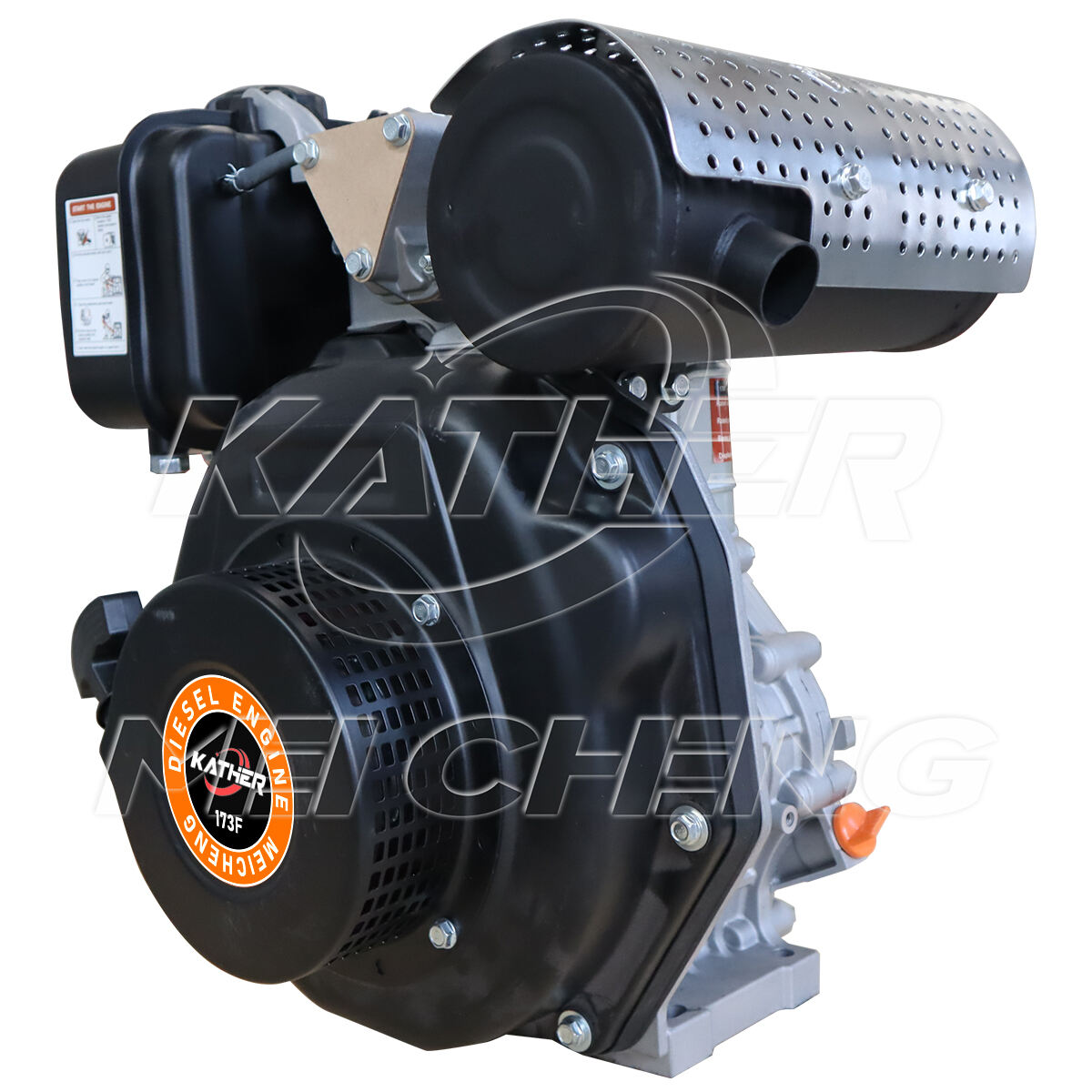
Industrial operations and agricultural facilities require dependable power solutions that can withstand demanding conditions while delivering consistent performance. Modern diesel engine technology has revolutionized backup and primary power generation, offering superior reliability, fuel efficiency, and longevity compared to traditional alternatives. These robust power systems have become the backbone of critical infrastructure across manufacturing plants, construction sites, farms, and remote installations where grid power may be unreliable or unavailable.
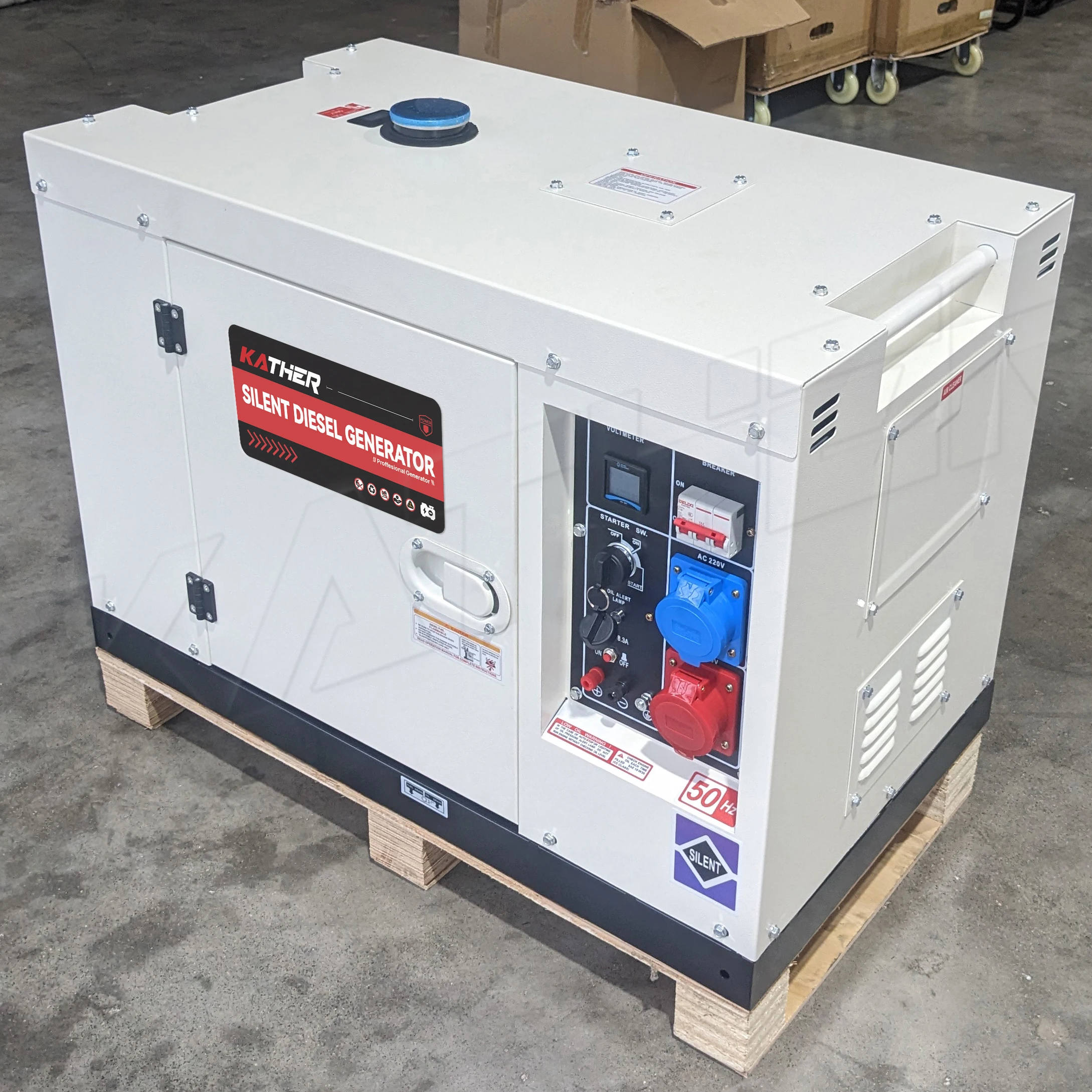
The evolution of diesel engine technology has created opportunities for businesses to achieve energy independence while reducing operational costs. From compact portable units to large-scale industrial installations, these power systems offer versatility and performance that adapt to diverse operational requirements. Understanding the advantages and applications of modern diesel-powered generators helps organizations make informed decisions about their power infrastructure investments.
Fundamental Engineering Advantages of Diesel Engine Technology
Superior Fuel Efficiency and Energy Density
The inherent design characteristics of a diesel engine provide exceptional fuel efficiency compared to gasoline or natural gas alternatives. The compression ignition process creates higher thermal efficiency, typically achieving 35-45% efficiency compared to 25-30% for gasoline engines. This translates to significantly lower fuel consumption per kilowatt-hour generated, reducing operational costs over the equipment's lifespan.
Diesel fuel contains approximately 15% more energy per gallon than gasoline, providing greater energy density for extended runtime capabilities. Industrial facilities benefit from this efficiency when operating continuous loads or during extended power outages. The reduced fuel consumption also means smaller fuel storage requirements and fewer refueling interruptions during critical operations.
Robust Construction and Durability
Modern diesel engine designs incorporate heavy-duty components engineered for demanding industrial environments. The compression ignition system eliminates spark plugs and ignition systems that commonly fail in harsh conditions, reducing maintenance requirements and improving reliability. Cast iron cylinder blocks and forged steel components provide exceptional durability under continuous operation.
Temperature resistance capabilities allow diesel engines to operate effectively in extreme weather conditions, from arctic cold to desert heat. This environmental adaptability makes them ideal for outdoor installations, remote mining operations, and agricultural applications where equipment must function reliably regardless of weather conditions. The robust construction typically enables 20,000-30,000 hours of operation between major overhauls when properly maintained.
Industrial Applications and Performance Benefits
Manufacturing and Production Facilities
Manufacturing operations depend on uninterrupted power to maintain production schedules and protect sensitive equipment. A diesel engine generator provides immediate backup power during grid failures, preventing costly production delays and equipment damage. The quick start capabilities ensure minimal downtime when transitioning from utility power to generator operation.
Load handling capabilities of industrial diesel engines accommodate varying power demands throughout production cycles. These systems can efficiently manage both steady base loads and sudden increases in power consumption when heavy machinery cycles on. The consistent voltage and frequency regulation protect sensitive electronic controls and computer systems from power quality issues.
Construction and Remote Site Operations
Construction projects often require portable power solutions that can be relocated as work progresses. Diesel engine generators offer the portability and reliability needed for tools, lighting, and temporary facilities at construction sites. The ability to operate independently of grid infrastructure makes them essential for remote construction projects and infrastructure development.
Fuel availability represents a critical advantage in remote locations where diesel fuel is more readily available than natural gas connections or reliable electrical grid access. The fuel storage stability allows construction managers to maintain adequate fuel supplies without concerns about degradation or special handling requirements that affect alternative fuel types.
Agricultural Sector Applications and Benefits
Farm Operations and Irrigation Systems
Agricultural operations require reliable power for irrigation pumps, grain handling equipment, and livestock facilities. The diesel engine provides dependable operation during peak agricultural seasons when power demands are highest and grid reliability may be compromised by weather events. Irrigation systems particularly benefit from the consistent power output that ensures proper water pressure and flow rates.
Seasonal flexibility allows farmers to relocate portable diesel generators between different fields and operations as crop requirements change throughout the growing season. This mobility maximizes equipment utilization while providing power where needed most. The ability to operate during severe weather conditions ensures critical systems remain functional during storms that commonly affect rural electrical grids.
Livestock and Dairy Operations
Livestock facilities depend on continuous power for ventilation systems, feeding equipment, and milking operations that cannot be interrupted without significant animal welfare and economic consequences. Diesel engine backup systems provide immediate power restoration to maintain environmental controls and automated feeding systems. The reliability factor becomes critical during extreme weather when both power outages and animal stress are most likely to occur.
Dairy operations require consistent power for milking equipment and milk cooling systems that must maintain strict temperature controls to prevent product spoilage. The diesel engine generator ensures these critical processes continue uninterrupted, protecting both animal health and product quality that directly impact farm profitability.
Economic Advantages and Cost Considerations
Total Cost of Ownership Analysis
While initial purchase costs for diesel engine generators may exceed some alternatives, the total cost of ownership typically favors diesel technology over the equipment's operational lifetime. Lower maintenance requirements, extended service intervals, and longer equipment life reduce ongoing operational expenses. The availability of service parts and qualified technicians in most geographic areas helps control maintenance costs.
Fuel cost stability provides predictable operating expenses that facilitate accurate budget planning. Diesel fuel prices tend to be less volatile than natural gas, and the higher efficiency means less fuel consumption per hour of operation. This combination creates more predictable energy costs for businesses that depend on backup or primary generator power.
Return on Investment Factors
Business continuity benefits often justify diesel engine generator investments through avoided costs during power outages. Manufacturing facilities can calculate potential losses from production delays, spoiled inventory, and equipment damage that backup power prevents. The diesel engine system protects these investments while maintaining customer service levels during grid disruptions.
Energy independence capabilities allow businesses to reduce peak demand charges by operating generators during high-cost utility rate periods. This load shaving strategy can significantly reduce monthly electrical bills for facilities with high peak power consumption. The diesel engine provides the reliability needed for consistent load shaving performance without concerns about fuel supply interruptions.
Environmental Considerations and Modern Technologies
Emission Control Technologies
Contemporary diesel engine designs incorporate advanced emission control systems that significantly reduce environmental impact compared to older technology. Selective catalytic reduction systems, diesel particulate filters, and optimized combustion chambers minimize harmful emissions while maintaining performance and efficiency. These improvements help facilities meet increasingly stringent environmental regulations.
Fuel quality improvements and low-sulfur diesel requirements have further reduced environmental concerns associated with diesel engine operation. Modern fuel formulations burn cleaner and produce fewer pollutants while maintaining the performance characteristics that make diesel technology attractive for industrial applications. Regular maintenance and proper operation ensure optimal environmental performance throughout the equipment's service life.
Noise Reduction and Installation Considerations
Sound attenuation technologies have addressed noise concerns that previously limited diesel engine installations in populated areas. Acoustic enclosures, vibration isolation systems, and optimized exhaust designs significantly reduce operational noise levels. These improvements enable installations closer to sensitive areas without violating noise ordinances or creating community relations issues.
Installation flexibility accommodates various site requirements and regulatory constraints. Outdoor installations can utilize weather-resistant enclosures that protect equipment while providing easy access for maintenance. Indoor installations benefit from advanced ventilation systems and fire suppression integration that ensure safe operation within building structures.
Selection Criteria and Sizing Considerations
Load Analysis and Capacity Planning
Proper sizing ensures optimal diesel engine performance while avoiding oversizing that reduces efficiency and increases costs. Detailed load analysis considers both steady-state power requirements and transient loads from motor starting and other high-inrush equipment. Understanding load profiles throughout operational cycles helps select appropriate generator capacity and fuel system sizing.
Future expansion planning should influence capacity selection to accommodate facility growth without requiring complete system replacement. Modular diesel engine systems allow incremental capacity additions as power requirements increase. This approach provides initial cost savings while maintaining flexibility for future expansion needs.
Environmental and Regulatory Compliance
Local regulations may impact diesel engine installations through emission standards, noise requirements, and fuel storage restrictions. Understanding applicable codes and permit requirements early in the planning process prevents costly modifications and delays. Professional consultation ensures compliance with environmental regulations and safety standards specific to each installation location.
Fuel system design must comply with fire codes and environmental protection requirements for storage tank installation and spill containment. Secondary containment systems protect groundwater and soil from potential fuel spills while meeting regulatory requirements. Proper fuel system design ensures long-term compliance and operational reliability.
FAQ
What maintenance requirements are typical for diesel engine generators
Regular maintenance includes oil changes every 250-500 hours of operation, air filter replacements, fuel filter changes, and cooling system servicing. Weekly exercise periods of 30 minutes help maintain engine readiness and identify potential issues before they cause failures. Annual load bank testing ensures the system can handle full rated capacity when needed during emergencies.
How do diesel engines compare to natural gas generators for industrial use
Diesel engines typically offer better fuel efficiency, longer equipment life, and greater fuel storage flexibility compared to natural gas systems. Natural gas requires pipeline connections or on-site storage systems that may not be available in remote locations. Diesel fuel storage provides energy security that natural gas pipelines cannot match during widespread emergencies or infrastructure failures.
What factors influence diesel generator fuel consumption rates
Load percentage significantly affects fuel consumption, with optimal efficiency typically occurring at 75-85% of rated capacity. Engine condition, fuel quality, ambient temperature, and maintenance status all influence consumption rates. Modern electronic governors and load management systems help optimize fuel usage across varying load conditions while maintaining stable power output.
Can diesel generators provide primary power for off-grid facilities
Yes, diesel engines are well-suited for continuous primary power applications in remote locations where grid power is unavailable or unreliable. Proper sizing, regular maintenance, and adequate fuel supply systems enable 24/7 operation for extended periods. Many remote mining operations, telecommunications facilities, and research stations depend entirely on diesel generator systems for their power needs.
Table of Contents
- Fundamental Engineering Advantages of Diesel Engine Technology
- Industrial Applications and Performance Benefits
- Agricultural Sector Applications and Benefits
- Economic Advantages and Cost Considerations
- Environmental Considerations and Modern Technologies
- Selection Criteria and Sizing Considerations
- FAQ