EN
EN

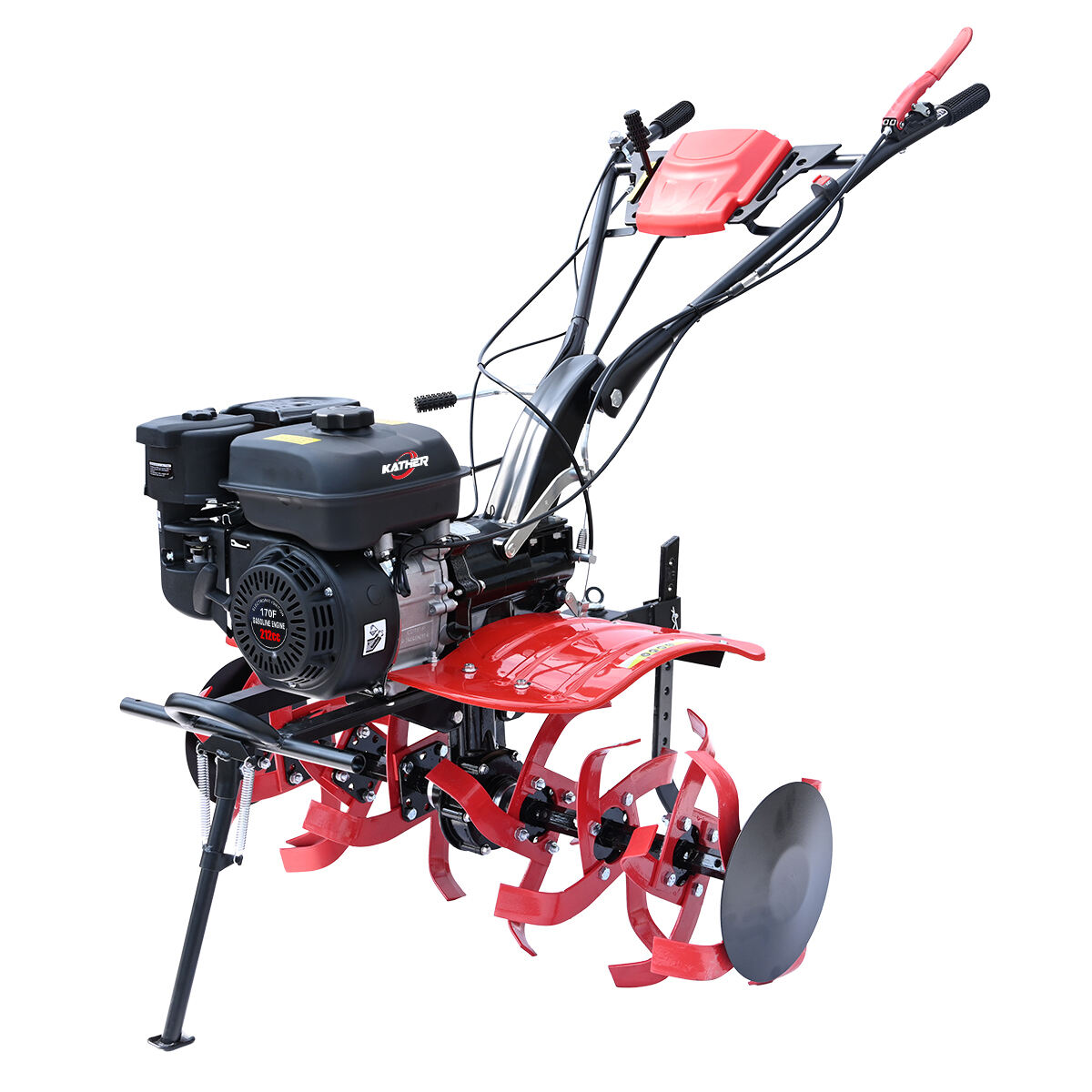
Choosing the right garden cultivator can transform your gardening experience from laborious soil preparation to efficient, enjoyable cultivation. Modern micro tillers and cultivators offer homeowners and small-scale farmers powerful solutions for breaking ground, mixing compost, and preparing seedbeds with minimal effort. Understanding the key features, specifications, and applications of different cultivator models ensures you invest in equipment that matches your specific gardening needs and soil conditions.
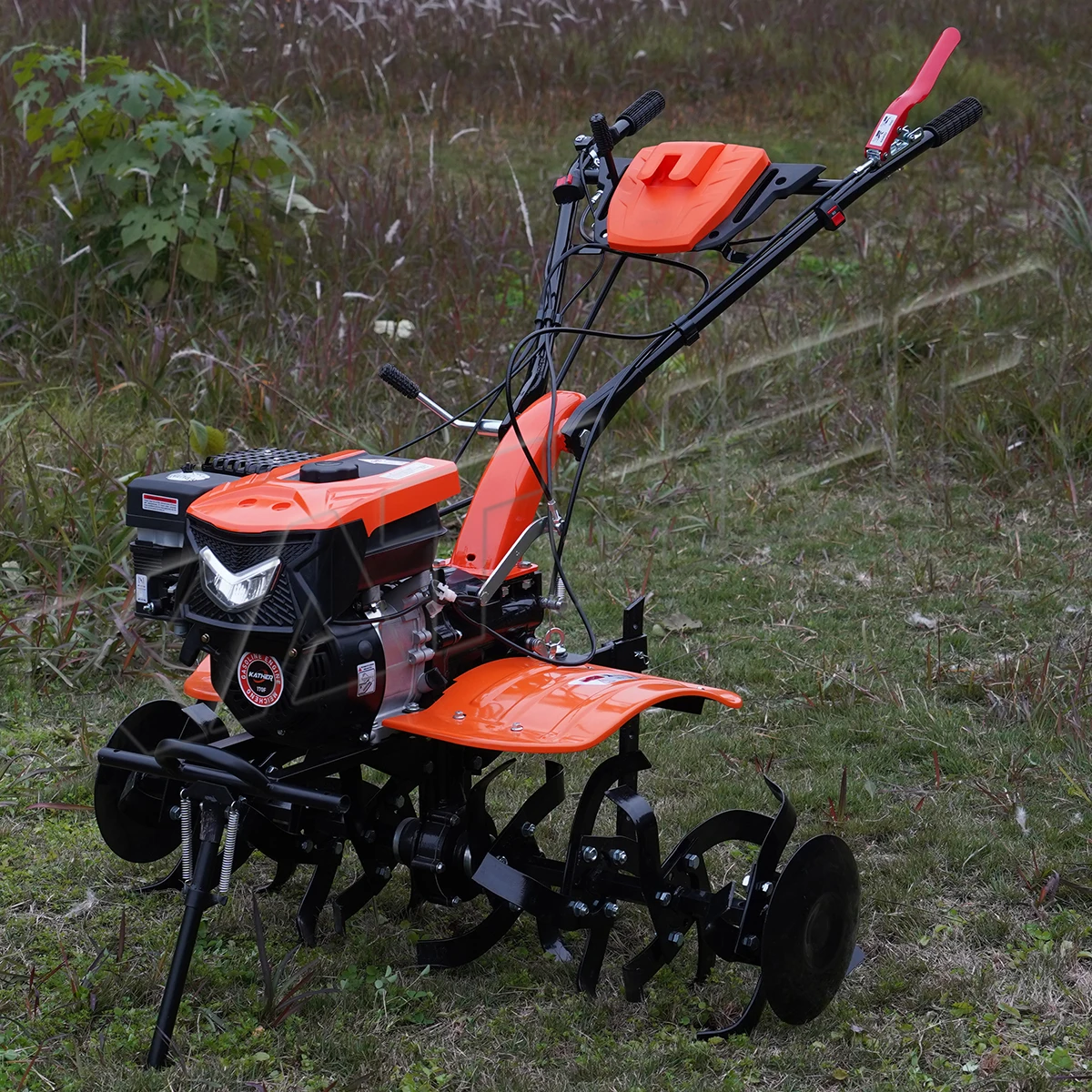
The market offers numerous cultivator options ranging from lightweight handheld units to robust walk-behind models. Each type serves distinct purposes and excels in different garden scenarios. Professional landscapers and experienced gardeners rely on quality cultivation equipment to maintain healthy soil structure, control weeds, and optimize plant growth conditions throughout growing seasons.
Understanding Cultivator Types and Applications
Handheld Electric Cultivators
Electric handheld cultivators provide excellent maneuverability for small garden beds, raised planters, and tight spaces around established plants. These lightweight units typically weigh between 8-15 pounds and feature adjustable tilling widths from 6-10 inches. Their quiet operation makes them ideal for residential areas with noise restrictions, while corded models eliminate fuel mixing and maintenance concerns associated with gas-powered alternatives.
Battery-powered electric cultivators offer enhanced portability without cord limitations, though runtime typically ranges from 30-60 minutes depending on battery capacity and soil density. Modern lithium-ion batteries provide consistent power output and relatively quick charging times, making them suitable for most residential gardening tasks. Consider your garden size and proximity to power outlets when evaluating electric cultivator options.
Gas-Powered Walk-Behind Models
Gas-powered walk-behind cultivators deliver superior power and versatility for larger gardens, tough soil conditions, and commercial applications. These robust machines typically feature 2-stroke or 4-stroke engines ranging from 25cc to 200cc, providing ample torque for breaking compacted earth and incorporating organic amendments. Adjustable tilling depths and widths accommodate various cultivation requirements from shallow weeding to deep soil preparation.
Professional-grade gas cultivators often include forward and reverse gear options, allowing operators to work methodically through challenging terrain. Self-propelled models reduce operator fatigue during extended use, while adjustable handlebars accommodate users of different heights. Regular maintenance including air filter cleaning, spark plug replacement, and carburetor adjustments ensures optimal performance and longevity.
Key Features to Evaluate Before Purchase
Engine Power and Performance Specifications
Engine displacement directly correlates with cultivator performance capabilities, particularly when working dense clay soils or incorporating heavy organic matter. Smaller engines (25-50cc) suit light cultivation tasks and maintenance tilling in prepared gardens. Mid-range units (50-100cc) handle most residential applications including initial soil breaking and seasonal garden preparation.
Heavy-duty cultivator models exceeding 100cc provide commercial-grade performance for challenging conditions and extended operation periods. Consider your soil type, garden size, and typical cultivation frequency when selecting appropriate engine specifications. Underpowered units struggle with tough conditions while oversized engines increase fuel consumption and operating costs unnecessarily.
Tilling Width and Depth Adjustability
Adjustable tilling width allows operators to customize cultivation patterns for different garden layouts and plant spacing requirements. Most quality cultivators offer width adjustments from 6-16 inches through removable outer tines or telescoping assemblies. Narrow settings work well for cultivating between established plant rows, while wider configurations increase productivity in open garden areas.
Depth control mechanisms enable precise cultivation from shallow 2-inch weeding operations to deep 8-inch soil preparation. Spring-loaded depth stakes or adjustable skids maintain consistent working depth across uneven terrain. Some advanced models include preset depth positions for common gardening tasks, simplifying operation for less experienced users while ensuring optimal results.
Soil Compatibility and Performance Considerations
Clay Soil Cultivation Requirements
Dense clay soils present unique challenges requiring cultivators with adequate power and appropriate tine configurations. Heavy clay becomes extremely difficult to work when too wet or too dry, demanding precise timing and proper equipment selection. Robust engines with high torque output prevent stalling when encountering compacted soil layers or embedded debris.
Forward-rotating tines excel in clay soil applications by chopping and lifting heavy earth rather than simply pushing through resistance. Some cultivators feature reversible rotation allowing operators to switch between aggressive soil breaking and gentle cultivation modes. Adding organic matter during clay soil cultivation improves structure and reduces future cultivation difficulty.
Sandy and Loamy Soil Applications
Light sandy soils and well-prepared loamy garden beds require less aggressive cultivation approaches to avoid excessive soil disturbance. Smaller cultivators with moderate power levels work effectively in these conditions while reducing fuel consumption and operating noise. Shallow cultivation preserves beneficial soil organisms and maintains natural soil structure.
Counter-rotating tine systems provide superior soil mixing and amendment incorporation in lighter soils. These configurations create uniform cultivation patterns while minimizing soil compaction from repeated machine passes. Adjustable tine speed allows operators to match cultivation intensity to specific soil conditions and desired outcomes.
Maintenance and Operational Best Practices
Routine Maintenance Schedules
Regular maintenance ensures reliable cultivator performance and extends equipment lifespan significantly. Gas-powered units require periodic engine oil changes, air filter cleaning or replacement, and spark plug inspection. Two-stroke engines need proper fuel-to-oil ratios while four-stroke models use separate oil reservoirs requiring regular monitoring and replacement.
Tine maintenance involves regular cleaning to remove accumulated soil and plant debris, periodic sharpening or replacement of worn cutting edges, and proper lubrication of pivot points and drive mechanisms. Seasonal storage preparation includes fuel system treatment, thorough cleaning, and protective storage in dry conditions to prevent corrosion and mechanical problems.
Safety Protocols and Operating Techniques
Proper safety equipment including eye protection, sturdy footwear, and hearing protection reduces injury risks during cultivator operation. Understanding machine controls and safety features before initial use prevents accidents and equipment damage. Never operate cultivators on slopes exceeding manufacturer specifications or in wet conditions that increase slip hazards.
Effective cultivation techniques include maintaining steady forward motion, avoiding excessive downward pressure, and allowing machine weight to provide adequate soil penetration. Overlapping passes ensure uniform cultivation while preventing missed areas that compromise overall garden preparation quality. Monitor tine wear patterns and replace worn components promptly to maintain optimal performance.
Budget Considerations and Value Assessment
Initial Purchase Price Factors
Cultivator pricing varies significantly based on engine size, build quality, feature complexity, and brand reputation. Entry-level electric models start around $100-200 while professional gas-powered units can exceed $1000-2000. Consider your cultivation frequency, garden size, and soil conditions when establishing appropriate budget parameters for equipment investment.
Higher initial investment often correlates with improved durability, enhanced performance capabilities, and comprehensive warranty coverage. Commercial-grade cultivators justify premium pricing through extended operational life, reduced maintenance requirements, and superior performance in challenging conditions. Evaluate total cost of ownership including fuel, maintenance, and replacement parts when comparing models.
Long-term Value and Return on Investment
Quality cultivators provide years of reliable service when properly maintained and operated within design specifications. Reduced physical strain, increased gardening efficiency, and improved soil preparation quality justify equipment investment for serious gardeners. Professional landscapers often recover cultivator costs within single growing seasons through increased productivity and service capabilities.
Resale value consideration becomes important for equipment upgrades or changing gardening needs. Well-maintained name-brand cultivators retain significant value while lesser-known manufacturers may offer limited resale market. Document maintenance records and preserve original accessories to maximize resale potential when upgrading equipment.
FAQ
What size cultivator do I need for a typical backyard garden?
For most residential gardens under 1000 square feet, a mid-range cultivator with 6-10 inch tilling width and 25-50cc engine provides adequate performance. Larger properties or challenging soil conditions may require wider tilling widths and more powerful engines. Consider your physical capabilities and storage space when selecting appropriate cultivator size.
How often should I service my gas-powered cultivator?
Gas cultivators require basic maintenance after every 10-20 hours of operation including air filter cleaning and general inspection. Change engine oil annually or after 50 hours of use, whichever comes first. Replace spark plugs every 100 hours or at beginning of each growing season for optimal performance and reliable starting.
Can cultivators work effectively in rocky soil conditions?
While cultivators can handle small rocks and debris, excessive rock content may damage tines and drive mechanisms. Remove large stones manually before cultivation and consider soil amendments to improve workability. Some heavy-duty models feature reinforced tines designed for challenging conditions, though rock-free operation extends equipment life significantly.
What safety precautions should I follow when operating a cultivator?
Always wear safety glasses, closed-toe shoes, and hearing protection when operating cultivators. Maintain firm grip on controls, avoid loose clothing near moving parts, and never operate on slopes exceeding manufacturer recommendations. Keep hands and feet away from tines during operation and ensure all safety guards remain properly installed and functional.