EN
EN

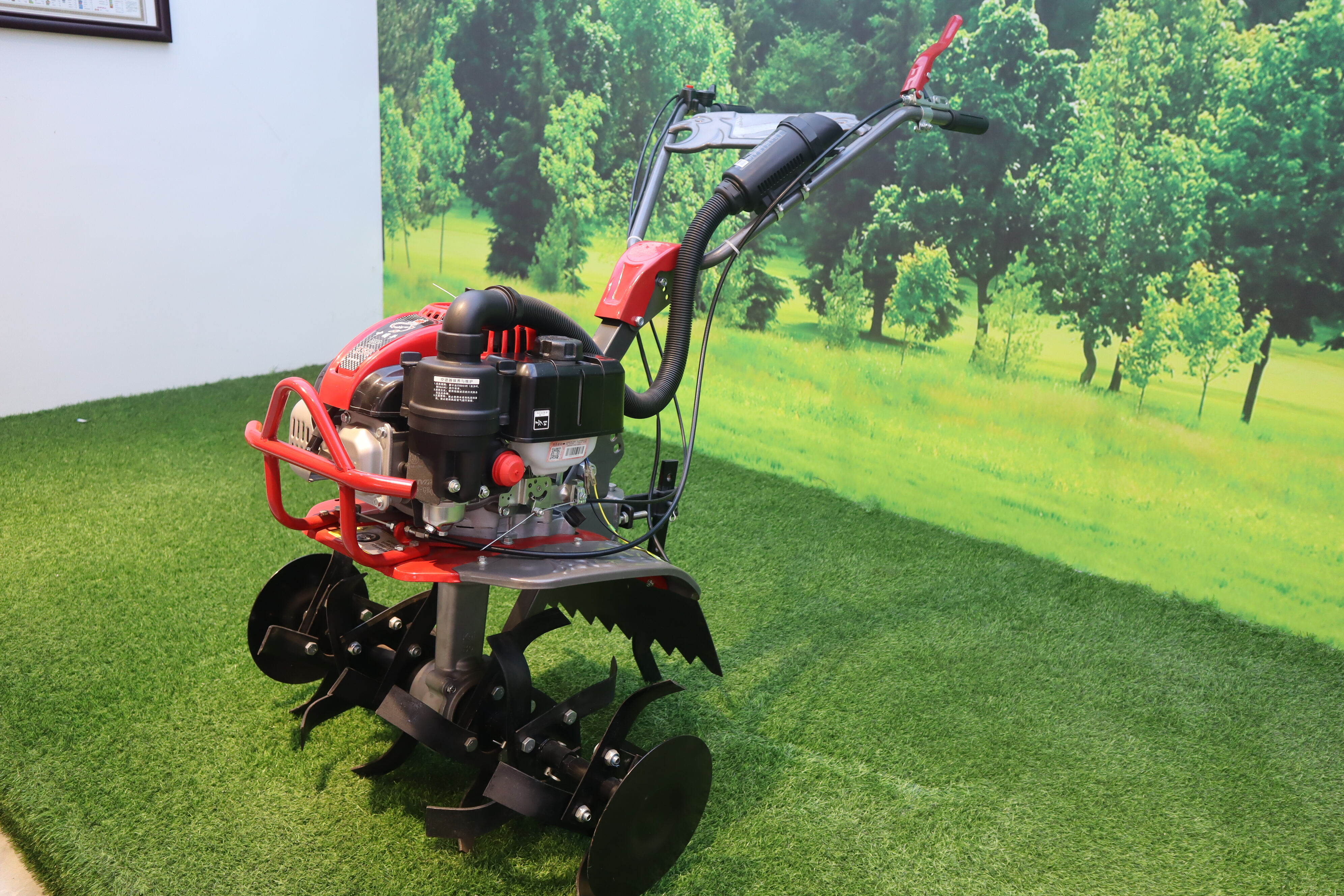
Using a micro tiller effectively can transform your gardening experience from backbreaking manual labor to efficient, professional-grade cultivation. These compact powerhouses have revolutionized small-scale farming and home gardening by delivering the performance of larger equipment in a manageable, user-friendly package. Whether you're preparing seedbeds, breaking up compacted soil, or maintaining vegetable plots, understanding proper micro tiller operation is essential for achieving optimal results while ensuring safety and equipment longevity.
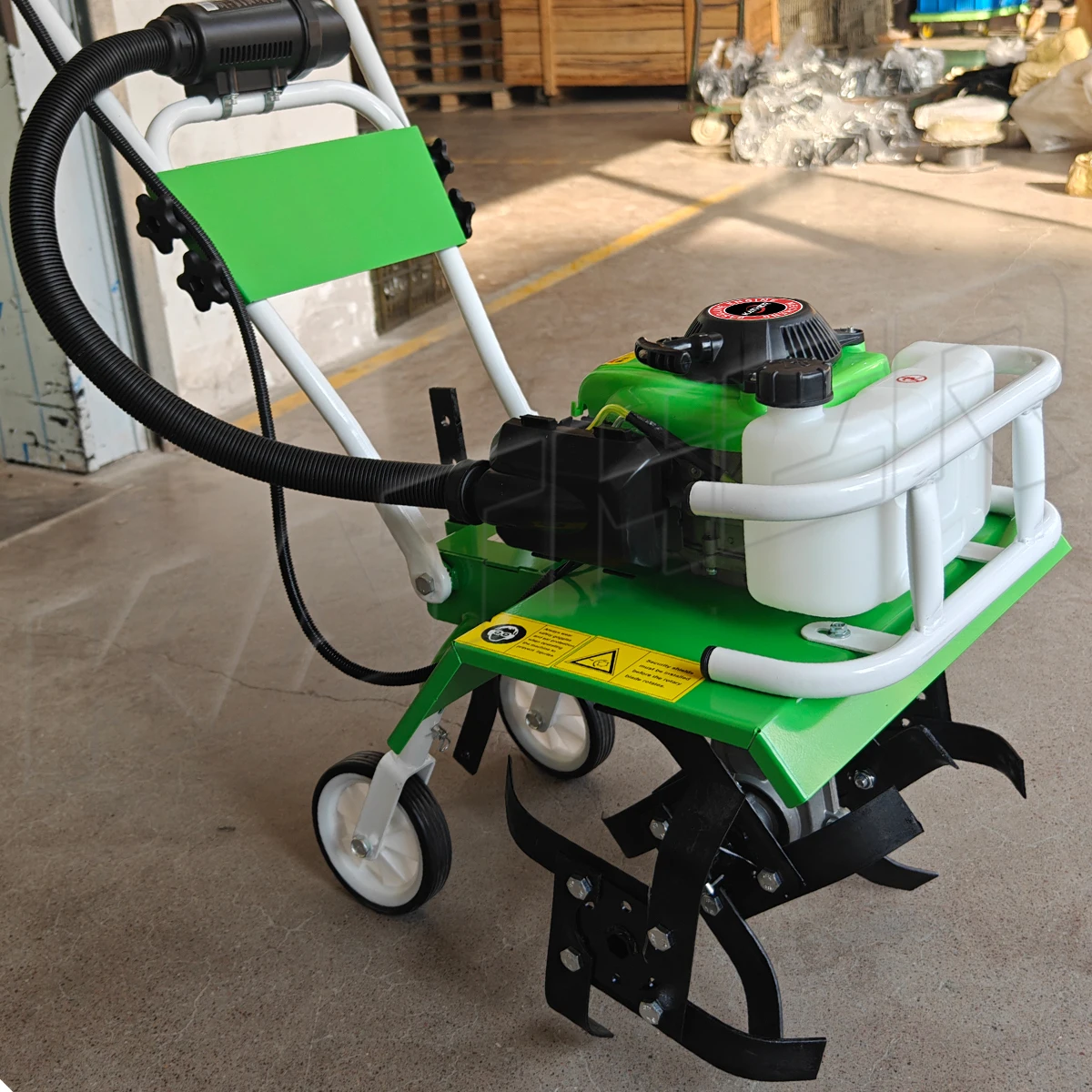
Modern micro tillers represent a significant advancement in agricultural technology, combining portability with powerful cultivation capabilities. These machines typically feature lightweight designs, efficient engines, and specialized tines that can handle various soil conditions with remarkable precision. The key to successful operation lies in understanding your equipment's capabilities, preparing your work area properly, and following established techniques that maximize both efficiency and safety during cultivation tasks.
Understanding Your Micro Tiller Components
Engine and Power System Fundamentals
The heart of any micro tiller is its engine system, which typically consists of either a 2-stroke or 4-stroke gasoline engine designed for optimal power-to-weight ratios. Understanding your engine's specifications, fuel requirements, and maintenance needs is crucial for reliable operation. Most micro tillers feature engines ranging from 25cc to 75cc, providing sufficient power for residential and small commercial applications while maintaining excellent fuel efficiency and reduced emissions compared to larger agricultural equipment.
The power transmission system connects the engine to the cultivation tines through a series of gears and clutches that allow for variable speed control and torque multiplication. This system enables operators to adjust working speed and power delivery based on soil conditions, crop requirements, and specific cultivation objectives. Proper understanding of these components helps users optimize performance while preventing mechanical stress and premature wear.
Tine Configuration and Soil Engagement
Cultivation tines are the business end of your micro tiller, responsible for breaking up soil, incorporating organic matter, and creating the ideal seedbed conditions. Most micro tillers feature adjustable tine configurations that allow users to customize cultivation depth and width based on specific application requirements. The tines typically rotate in a forward or reverse direction, with forward rotation providing aggressive soil penetration and reverse rotation offering gentler cultivation for established plantings.
Understanding tine geometry and soil interaction principles helps operators achieve consistent results across different soil types and moisture conditions. Sharp, properly maintained tines cut through soil efficiently while minimizing power consumption and reducing operator fatigue. Regular inspection and maintenance of tine condition ensures optimal performance and prevents damage to both the equipment and the soil structure during cultivation operations.
Pre-Operation Preparation and Safety Protocols
Site Assessment and Planning
Before starting any cultivation work, thorough site assessment ensures both safety and optimal results from your micro tiller operations. Begin by examining the work area for obstacles such as rocks, roots, irrigation lines, or buried utilities that could damage equipment or create safety hazards. Mark or remove any obstacles that cannot be avoided, and plan your cultivation pattern to maximize efficiency while minimizing overlap and missed areas.
Soil moisture content plays a critical role in cultivation success, with optimal conditions typically occurring when soil crumbles easily in your hand without forming mud or dust. Working soil that is too wet can create compaction problems and clog tines, while overly dry soil may create excessive dust and require more power to penetrate effectively. Testing soil moisture in multiple locations across your work area helps determine the best timing for cultivation activities.
Equipment Inspection and Maintenance
A comprehensive pre-operation inspection prevents mechanical failures and ensures safe operation throughout your cultivation session. Check engine oil levels, fuel quality, air filter condition, and spark plug function according to manufacturer specifications. Inspect all bolts, pins, and connections for tightness, and verify that safety guards and shields are properly installed and secured.
Examine tine condition carefully, looking for excessive wear, damage, or dullness that could compromise performance. Sharp, well-maintained tines require less power and produce better cultivation results while reducing stress on the engine and transmission components. Replace or sharpen tines as needed, and ensure proper spacing and alignment for optimal soil engagement and uniform cultivation patterns.
Step-by-Step Operation Techniques
Starting Procedures and Initial Setup
Proper starting procedures ensure reliable operation and prevent damage to your micro tiller's engine and mechanical components. Begin by positioning the machine on level ground and engaging any parking brakes or wheel locks to prevent movement during startup. Set the throttle to the appropriate starting position as specified in your operator's manual, typically about one-third open for most gasoline engines.
Prime the fuel system if equipped with a primer bulb, and set the choke position based on engine temperature and ambient conditions. Cold engines typically require full choke, while warm engines may start with partial or no choke engagement. Pull the starter cord smoothly and steadily, allowing the cord to return fully between pulls to prevent damage to the recoil starter mechanism.
Cultivation Pattern and Technique
Effective cultivation requires systematic approach and consistent technique to achieve uniform soil preparation across your entire work area. Start at one end of your plot and work in straight, parallel passes with minimal overlap to prevent over-cultivation and maintain consistent soil structure. Maintain steady forward speed that allows tines to penetrate properly without bogging down the engine or creating excessive soil disturbance.
The modern cultivator requires proper depth control to achieve optimal results without damaging beneficial soil organisms or creating hardpan layers beneath the cultivation zone. Adjust tine depth gradually and monitor soil conditions continuously, making necessary adjustments based on soil texture, moisture content, and intended use of the cultivated area.
Advanced Cultivation Applications
Seedbed Preparation and Planting
Creating the perfect seedbed requires careful attention to soil structure, moisture retention, and nutrient availability. Use your micro tiller to incorporate organic amendments such as compost or aged manure while breaking up compacted layers and eliminating weeds that compete with emerging seedlings. Multiple shallow passes often produce better results than single deep cultivation, allowing for gradual soil improvement without disrupting beneficial microbial communities.
Final seedbed preparation involves creating a smooth, level surface with appropriate firmness for seed placement and germination. Adjust tine speed and depth to achieve the desired soil texture, typically consisting of fine particles at the surface with gradually larger aggregates at greater depths. This structure promotes good seed-to-soil contact while maintaining adequate drainage and air movement through the root zone.
Weed Control and Crop Maintenance
Micro tillers excel at mechanical weed control when used properly and at the appropriate timing relative to crop development and weed emergence patterns. Shallow cultivation between crop rows disrupts weed seedlings while avoiding damage to established crop root systems. The key to effective weed control lies in timing operations when weeds are small and vulnerable, typically during the white thread stage when root systems are minimal.
Cultivator operations for established crops require careful attention to working depth and proximity to plant stems to prevent root damage and crop stress. Adjust tine configuration and operating speed to match crop spacing and growth stage, maintaining adequate clearance while achieving effective weed suppression. Regular cultivation throughout the growing season maintains soil structure and prevents weed establishment without relying on chemical herbicides.
Troubleshooting Common Issues
Engine Performance Problems
Engine issues represent the most common operational problems with micro tillers, often resulting from fuel quality, air filtration, or ignition system malfunctions. Poor fuel quality or contaminated gasoline can cause starting difficulties, rough operation, and reduced power output. Always use fresh, clean fuel appropriate for your engine type, and consider fuel stabilizers for seasonal storage or infrequent use patterns.
Air filter restriction significantly impacts engine performance and longevity, particularly in dusty cultivation environments. Clean or replace air filters regularly according to operating conditions and manufacturer recommendations. Clogged filters reduce power output and increase fuel consumption while allowing harmful particles to enter the engine and cause premature wear of internal components.
Mechanical and Operational Challenges
Tine clogging occurs frequently when working in high-residue conditions or when soil moisture levels are inappropriate for cultivation. Stop the engine immediately when clogging occurs and clear debris manually using appropriate tools while following safety protocols. Prevent clogging by adjusting operating speed, modifying tine configuration, or waiting for better soil conditions before resuming cultivation activities.
Vibration and handling difficulties often indicate worn or damaged components, improper tine installation, or imbalanced rotating assemblies. Inspect all mounting hardware and replace worn parts as needed to maintain smooth operation and prevent operator fatigue. Proper maintenance and timely component replacement ensure reliable performance and extend equipment service life significantly.
Maintenance and Storage Considerations
Routine Maintenance Schedules
Establishing and following regular maintenance schedules maximizes equipment reliability and performance while minimizing unexpected repairs and downtime. Daily maintenance includes checking fluid levels, inspecting safety systems, and cleaning debris from air intake and cooling fins. Weekly maintenance involves more thorough inspections of tines, belts, and mechanical connections, with lubrication of grease fittings and pivot points as specified by manufacturer guidelines.
Seasonal maintenance requirements include complete engine servicing with oil changes, spark plug replacement, and fuel system cleaning. Inspect and adjust valve clearances, check compression, and clean combustion chambers to maintain optimal engine performance. Replace worn or damaged tines, belts, and other consumable components before the start of each growing season to prevent mid-season failures.
Proper Storage Techniques
Long-term storage requires careful preparation to prevent corrosion, fuel system problems, and component deterioration during periods of non-use. Drain fuel systems completely or use appropriate fuel stabilizers to prevent gum and varnish formation in carburetors and fuel lines. Change engine oil before storage and apply light coating of oil to exposed metal surfaces to prevent rust formation.
Store micro tillers in clean, dry environments protected from temperature extremes and moisture exposure. Remove batteries if equipped and store in appropriate conditions to prevent sulfation and capacity loss. Cover or enclose equipment to prevent dust accumulation and pest infiltration while ensuring adequate ventilation to prevent condensation problems.
FAQ
What is the optimal soil moisture level for using a micro tiller effectively
The ideal soil moisture for micro tiller operation occurs when soil crumbles easily in your hand without forming mud balls or creating excessive dust. Typically, this corresponds to soil moisture levels between 18-22% for most soil types. Working soil that is too wet can cause compaction and clog tines, while overly dry soil requires more power and may create dust clouds that reduce visibility and air quality.
How deep should I set my micro tiller for different cultivation tasks
Cultivation depth varies significantly based on intended use and soil conditions. For seedbed preparation, depths of 4-6 inches work well for most crops, while weed control typically requires only 1-2 inches to disturb weed seedlings without damaging crop roots. Initial soil breaking may require deeper settings of 6-8 inches, but multiple shallow passes often produce better soil structure than single deep cultivation.
How often should I perform maintenance on my micro tiller cultivator
Maintenance frequency depends on usage intensity and operating conditions. Check engine oil before each use and change every 25-50 hours of operation or annually. Clean air filters every 10-15 hours in dusty conditions, and inspect tines weekly during active use. Replace spark plugs annually and perform complete seasonal maintenance including valve adjustments and fuel system cleaning before each growing season.
Can I use my micro tiller in rocky or root-filled soil conditions
While micro tillers can handle some rocks and roots, excessive obstacles can damage tines and stress mechanical components. Remove rocks larger than 2 inches diameter and cut roots thicker than 1 inch before cultivation. Consider making multiple shallow passes in difficult conditions rather than attempting to break through obstacles in a single pass, and always maintain sharp tines for efficient cutting action.