EN
EN
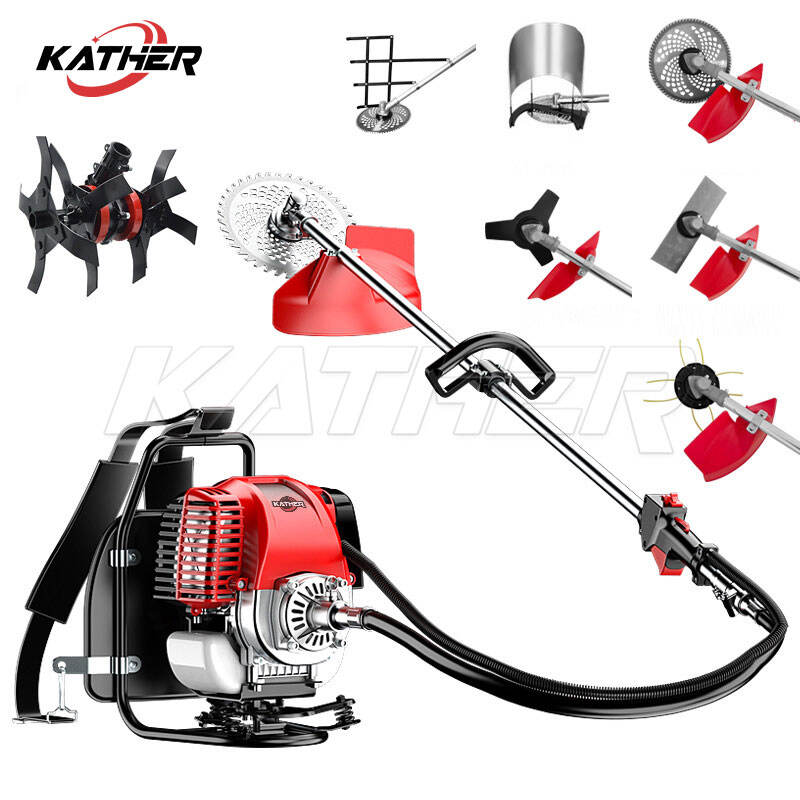
Finding reliable replacement parts for agricultural equipment can be challenging, especially when you need specific components for micro tillers and related power tools. Whether you operate brush cutters, cultivators, or other small agricultural machinery, having access to quality replacement parts ensures your equipment maintains peak performance throughout demanding work seasons. The search for genuine OEM parts often leads equipment owners through various channels, from local dealers to specialized online suppliers who understand the intricacies of small engine maintenance and repair.
The modern agricultural landscape demands efficient, reliable equipment that can handle various terrain challenges. From maintaining property boundaries to clearing overgrown vegetation, operators rely heavily on their power tools to deliver consistent results. When equipment breaks down, the urgency to find suitable replacement parts becomes paramount, as downtime directly impacts productivity and operational costs.
Understanding OEM vs Aftermarket Parts
Original Equipment Manufacturer Benefits
Original Equipment Manufacturer parts represent the gold standard for replacement components in agricultural machinery. These parts undergo rigorous testing and quality control processes to ensure they meet exact specifications established during the initial manufacturing phase. When you invest in OEM components for your equipment, you receive parts engineered specifically for your machine's unique requirements and operating conditions.
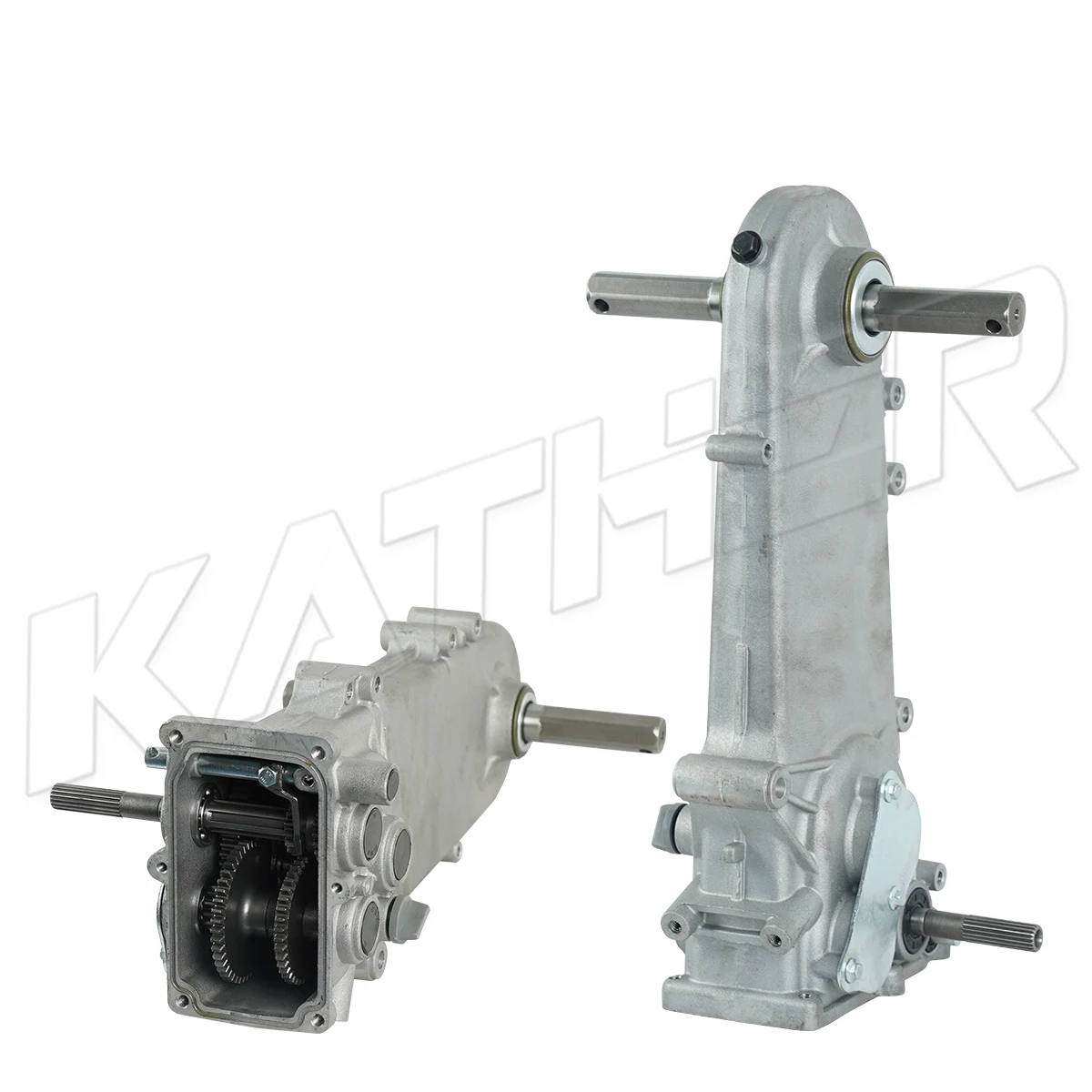
The precision manufacturing involved in OEM parts production ensures optimal fit and function, reducing the likelihood of premature failure or compatibility issues. This attention to detail becomes particularly important when dealing with complex assemblies like gearboxes, clutch systems, and transmission components that require exact tolerances to operate effectively.
Aftermarket Alternatives and Considerations
Aftermarket parts present cost-effective alternatives for budget-conscious operators who need replacement components without the premium pricing associated with OEM products. Many aftermarket manufacturers produce high-quality parts that meet or exceed original specifications while offering significant cost savings for equipment owners.
However, quality varies significantly among aftermarket suppliers, making careful vendor selection crucial for long-term equipment reliability. Reputable aftermarket manufacturers often provide warranties and technical support comparable to OEM suppliers, while less established companies may offer limited guarantees or customer service support.
Online Marketplace Strategies
Major E-commerce Platform Navigation
Large online marketplaces offer extensive catalogs of replacement parts for various agricultural equipment brands and models. These platforms provide convenient search functionality, customer reviews, and competitive pricing that helps equipment owners make informed purchasing decisions. The vast inventory available through major e-commerce sites often includes both common maintenance items and specialized components that might be difficult to locate through traditional channels.
Successful navigation of these platforms requires understanding how to effectively use search filters, model compatibility guides, and vendor ratings to identify suitable parts. Many experienced operators develop relationships with specific sellers who demonstrate consistent quality and reliable shipping practices, creating ongoing partnerships that streamline future parts procurement.
Specialized Agricultural Equipment Suppliers
Dedicated agricultural equipment suppliers maintain focused inventories specifically designed to serve farming and landscaping professionals. These specialized retailers often provide superior technical knowledge and application support compared to general-purpose marketplaces, helping customers identify exactly the right components for their specific equipment needs.
The expertise available through specialized suppliers becomes particularly valuable when dealing with complex repairs or unusual equipment configurations. Many of these suppliers maintain relationships with multiple manufacturers, allowing them to source parts from various channels and provide customers with options that balance cost, quality, and availability considerations.
Manufacturer Direct Purchasing
Authorized Dealer Networks
Authorized dealer networks provide direct access to manufacturer-approved parts and technical support services. These dealers undergo training and certification processes that ensure they understand proper installation procedures, compatibility requirements, and warranty considerations for the brands they represent.
Working with authorized dealers often provides additional benefits beyond parts availability, including access to technical bulletins, recall information, and upgrade opportunities that might not be readily available through other channels. Many dealers also offer installation services and diagnostic support that can help identify underlying issues that contributed to the original part failure.
Direct Manufacturer Relationships
Establishing direct relationships with equipment manufacturers can provide significant advantages for operators who maintain multiple units or require frequent parts replacement. Many manufacturers offer volume discounts, priority shipping, and technical support services for customers who purchase directly through their distribution networks.
Direct manufacturer relationships also ensure access to the latest parts revisions and engineering improvements that might not be immediately available through third-party suppliers. This access becomes particularly important for commercial operators who depend on equipment reliability for their business operations and cannot afford extended downtime due to parts availability issues.
Quality Assurance and Compatibility
Part Number Verification Systems
Accurate part number identification represents the foundation of successful parts procurement for any agricultural equipment. Modern equipment manufacturers utilize sophisticated numbering systems that encode specific information about materials, specifications, and compatibility requirements within each part number designation.
Understanding how to properly decode and verify part numbers helps equipment owners avoid costly mistakes and ensures they receive components that will function correctly in their specific applications. Many suppliers provide online part lookup tools and compatibility databases that simplify this verification process and reduce the likelihood of ordering incorrect components.
Installation and Performance Testing
Proper installation procedures and post-installation testing ensure that replacement parts perform as expected and integrate seamlessly with existing equipment systems. Following manufacturer-recommended installation guidelines helps prevent premature failure and maintains warranty coverage for both the replacement part and surrounding components.
Performance testing after installation allows operators to verify that repairs have restored equipment to optimal operating condition. This testing process should include checking all related systems and functions to ensure that the replacement part has not adversely affected other equipment components or performance characteristics.
Cost Management and Procurement Planning
Budget Optimization Strategies
Effective cost management for replacement parts requires balancing immediate needs against long-term equipment reliability and operating costs. Smart procurement strategies often involve maintaining inventory of critical wear items while sourcing specialized components as needed to minimize carrying costs and inventory obsolescence.
Many successful operators develop annual parts budgets based on historical usage patterns and scheduled maintenance requirements. This planning approach allows for bulk purchasing opportunities and helps ensure that funds are available when unexpected repairs become necessary during critical operating periods.
Inventory Management Best Practices
Strategic inventory management helps equipment owners maintain appropriate stock levels while minimizing carrying costs and storage requirements. Effective inventory systems track usage patterns, lead times, and seasonal demand variations to optimize ordering schedules and reduce emergency purchasing situations.
Modern inventory management often incorporates digital tracking systems that monitor stock levels, track supplier performance, and generate automatic reorder notifications. These systems help prevent stockouts while avoiding excessive inventory investment that ties up working capital unnecessarily.
Future Trends in Parts Distribution
Digital Platform Evolution
The agricultural parts distribution industry continues evolving toward more sophisticated digital platforms that provide enhanced search capabilities, augmented reality visualization tools, and artificial intelligence-powered compatibility verification systems. These technological advances help simplify parts identification and reduce ordering errors.
Advanced digital platforms increasingly incorporate predictive analytics that help equipment owners anticipate maintenance needs and plan parts procurement more effectively. These systems analyze equipment operating data, maintenance history, and usage patterns to generate recommendations for preventive maintenance and parts replacement scheduling.
Supply Chain Integration
Modern supply chain integration creates more efficient distribution networks that reduce lead times and improve parts availability for end users. Advanced logistics systems coordinate inventory levels across multiple distribution points and optimize shipping routes to minimize delivery times and costs.
Integrated supply chains also provide better visibility into parts availability and delivery schedules, allowing equipment owners to plan maintenance activities more effectively. This visibility helps reduce downtime by ensuring that all necessary components are available when maintenance work is scheduled to begin.
FAQ
How do I identify the correct part number for my equipment
Identifying correct part numbers requires checking your equipment's owner manual, examining existing parts for stamped numbers, or using manufacturer part lookup tools available online. Most equipment manufacturers provide detailed parts diagrams and compatibility databases that help match parts to specific model numbers and serial number ranges.
What warranty coverage should I expect from replacement parts
Warranty coverage varies significantly between OEM and aftermarket parts suppliers. OEM parts typically include comprehensive warranties that cover both materials and workmanship, while aftermarket parts may offer limited warranties or shorter coverage periods. Always verify warranty terms before purchasing and retain documentation for future reference.
Are aftermarket parts suitable for commercial applications
High-quality aftermarket parts can perform well in commercial applications when sourced from reputable manufacturers who meet industry standards. However, commercial operators should carefully evaluate supplier credentials, warranty coverage, and compatibility guarantees before making purchasing decisions that could affect business operations.
How can I ensure parts compatibility with my specific equipment model
Ensuring compatibility requires verifying part numbers against manufacturer specifications, checking model year ranges, and confirming that replacement parts meet original equipment specifications. Many suppliers provide compatibility verification services and technical support to help customers select appropriate components for their specific equipment configurations.