 EN
EN
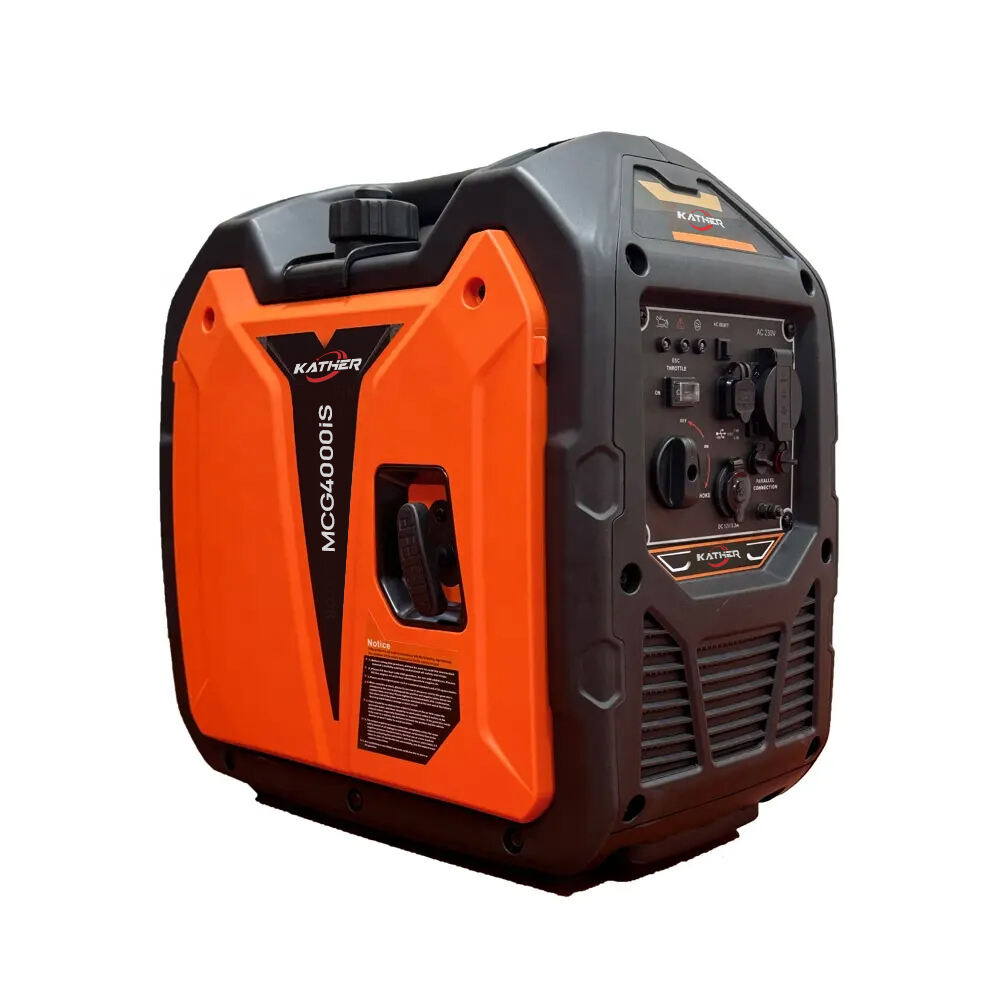
Agricultural operations rely heavily on consistent power supply to maintain critical systems like irrigation pumps, grain storage facilities, and livestock management equipment. When grid power fails or proves unreliable in rural settings, backup power solutions become essential for preventing costly downtime and protecting valuable crops and livestock. Diesel generators have long served as the backbone of agricultural power backup, offering robust performance in demanding outdoor environments where an inverter generator might struggle with heavy continuous loads.
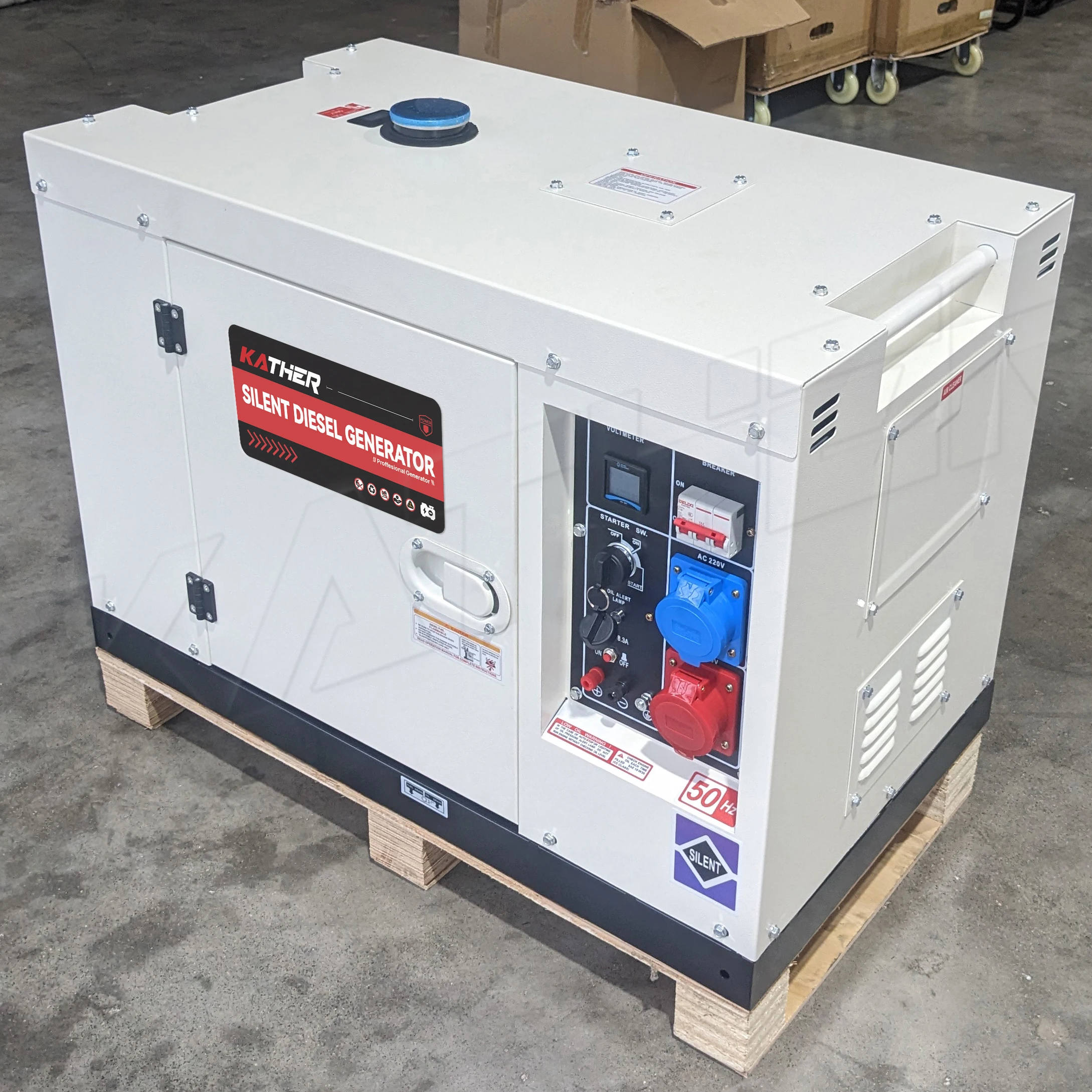
While modern inverter generator technology offers clean power and fuel efficiency for smaller applications, agricultural diesel generators require specialized maintenance approaches to handle the substantial power demands of farming operations. Proper maintenance extends equipment lifespan, ensures reliable starting during emergencies, and maintains optimal fuel efficiency throughout extended operating periods. Understanding the unique maintenance requirements of diesel generators in agricultural settings helps farm operators avoid unexpected failures during critical harvest seasons or extreme weather events when backup power becomes absolutely essential.
Engine Maintenance Fundamentals for Agricultural Diesel Generators
Oil Change Intervals and Quality Requirements
Diesel generator engines operating in agricultural environments face unique challenges that demand more frequent oil changes than typical industrial applications. Dust, debris, and temperature fluctuations common on farms accelerate oil degradation, making regular oil analysis crucial for maintaining engine health. Unlike an inverter generator that might run intermittently for light loads, agricultural diesel generators often operate for extended periods during peak farming seasons, requiring high-quality oil formulations designed for continuous duty cycles.
Farm operators should establish oil change intervals based on operating hours rather than calendar time, typically every 100-250 hours depending on environmental conditions and load factors. Synthetic or semi-synthetic oils provide superior protection against thermal breakdown and extended drain intervals compared to conventional mineral oils. Regular oil sampling and analysis can reveal early signs of engine wear, coolant contamination, or fuel dilution before these issues cause catastrophic failures during critical agricultural operations.
Air Filter Maintenance in Dusty Farm Environments
Agricultural settings present particularly challenging conditions for diesel generator air intake systems due to high levels of airborne dust, chaff, and organic particles during harvest operations. Clogged air filters reduce engine efficiency, increase fuel consumption, and can lead to turbocharger damage in larger diesel generators. Regular air filter inspection becomes even more critical than with smaller inverter generator units that typically operate in cleaner environments.
Implementing a dual-stage air filtration system with pre-cleaners helps extend primary filter life in dusty agricultural conditions. Farm operators should inspect air filters weekly during harvest season and monthly during regular operations, replacing or cleaning filters when restriction indicators show excessive pressure drop. Proper air filter maintenance ensures optimal combustion efficiency and protects expensive diesel engine components from premature wear caused by abrasive particles common in agricultural environments.
Fuel System Care and Contamination Prevention
Fuel Quality Management and Storage Practices
Diesel fuel quality significantly impacts generator reliability and longevity, particularly in agricultural applications where fuel may be stored for extended periods between emergency uses. Water contamination, microbial growth, and fuel degradation pose serious threats to diesel injection systems and can cause unexpected failures when backup power is needed most. Unlike an inverter generator that uses gasoline with shorter storage requirements, diesel generators require comprehensive fuel management strategies for reliable agricultural operation.
Implementing proper fuel storage practices includes using biocide treatments to prevent algae and bacteria growth, installing water separation systems, and rotating fuel stocks regularly. Farm operators should test stored fuel quarterly for water content, particulate contamination, and microbial growth, especially in humid climates where condensation accelerates fuel degradation. Quality fuel filtration systems with water separators protect expensive injection components and ensure consistent performance during extended operating periods.
Fuel Filter Replacement and System Bleeding
Regular fuel filter replacement prevents contaminated fuel from reaching sensitive injection components, protecting diesel generators from costly repairs and unexpected downtime during critical agricultural operations. Clogged fuel filters can cause power loss, rough operation, and complete engine shutdown when power demand peaks during harvest or emergency situations. Proper fuel system maintenance requires understanding bleeding procedures to remove air from the system after filter changes.
Farm operators should replace primary and secondary fuel filters according to manufacturer recommendations, typically every 200-500 hours depending on fuel quality and environmental conditions. Learning proper bleeding techniques ensures generators restart quickly after maintenance, preventing delays when backup power is urgently needed. Installing fuel system monitoring equipment helps track filter condition and alerts operators before restrictions cause performance problems or engine damage.
Cooling System Maintenance for Reliable Operation
Coolant Management and Heat Exchanger Cleaning
Diesel generators operating in agricultural environments face extreme temperature variations and airborne debris that can compromise cooling system effectiveness. Proper coolant mixture ratios, regular testing, and preventive maintenance ensure optimal heat transfer and prevent overheating during peak load conditions. Unlike smaller inverter generator units with simpler cooling requirements, agricultural diesel generators need comprehensive cooling system care to handle continuous heavy loads reliably.
Regular coolant analysis reveals early signs of system problems including electrolysis, cavitation, and contamination that can lead to expensive repairs. Farm operators should test coolant pH levels, freeze protection, and additive concentrations annually, replacing coolant according to manufacturer specifications rather than appearance alone. Clean heat exchangers and radiators regularly to remove agricultural debris, ensuring adequate airflow for proper cooling during extended operation periods.
Belt and Hose Inspection Protocols
Cooling system belts and hoses require regular inspection and replacement to prevent unexpected failures that can cause severe engine damage during critical agricultural operations. Temperature cycling, ozone exposure, and vibration common in farm environments accelerate rubber component deterioration. Establishing systematic inspection procedures helps identify potential problems before they cause catastrophic coolant loss or overheating.
Visual inspection should include checking for cracks, bulges, soft spots, and proper belt tension using manufacturer-specified procedures. Replace cooling system hoses proactively based on age and condition rather than waiting for failure, as emergency repairs during harvest season can cause significant operational delays. Maintain spare belts and hoses on site to minimize downtime when components fail unexpectedly during peak agricultural demand periods.
Electrical System Maintenance and Battery Care
Battery Maintenance and Testing Procedures
Reliable starting capability is crucial for agricultural diesel generators that must respond immediately to power outages during critical operations like grain drying or livestock ventilation. Battery maintenance becomes particularly important in farm environments where temperature extremes and vibration can accelerate battery degradation. Unlike an inverter generator with simpler starting requirements, diesel generators need robust battery systems for reliable cold weather starting and extended cranking periods.
Regular battery testing should include specific gravity measurements, voltage testing under load, and visual inspection for corrosion or physical damage. Farm operators should clean battery terminals monthly and apply protective coatings to prevent corrosion in humid agricultural environments. Implementing battery maintenance schedules that include equalization charging and proper winter storage procedures ensures reliable starting when emergency power is needed most during extreme weather events.
Alternator and Charging System Inspection
Generator alternators require regular inspection and maintenance to ensure consistent power output and proper battery charging during operation. Dust, moisture, and temperature variations common in agricultural settings can affect alternator performance and reliability. Regular testing of voltage regulation, frequency stability, and charging system operation prevents power quality issues that could damage sensitive electronic equipment on modern farms.
Visual inspection should include checking brush condition, slip ring wear, and bearing lubrication according to manufacturer specifications. Monitor voltage output under varying loads to identify regulation problems before they affect connected equipment. Clean alternator windings and air passages regularly to prevent overheating and maintain optimal performance during extended operation periods when backup power supports critical agricultural processes.
Preventive Maintenance Scheduling for Agricultural Applications
Daily and Weekly Inspection Routines
Establishing consistent inspection routines helps identify potential problems before they cause unexpected failures during critical agricultural operations. Daily checks should include visual inspection of fluid levels, belt condition, and general cleanliness, while weekly inspections can address more detailed system checks. Regular inspection schedules become particularly important during harvest season when generator reliability directly impacts crop preservation and farm profitability.
Create inspection checklists that address oil levels, coolant levels, fuel quality, battery condition, and air filter status to ensure comprehensive coverage of critical systems. Document inspection results to track trends and identify developing problems before they require emergency repairs. Training farm personnel in proper inspection procedures ensures consistency and helps identify issues that might be overlooked during busy agricultural periods when an inverter generator or diesel generator failure could cause significant losses.
Seasonal Maintenance and Preparation Procedures
Agricultural diesel generators require seasonal maintenance procedures to address the unique challenges of farming operations throughout the year. Spring preparation focuses on ensuring reliable operation during planting season, while fall maintenance prepares systems for harvest demands and winter storage. Seasonal maintenance schedules should account for extended storage periods and varying load requirements throughout the agricultural cycle.
Pre-season maintenance includes comprehensive system testing, load bank testing to verify performance under full load, and replacement of wear components based on inspection results. Winter preparation requires addressing cold weather starting requirements, coolant system protection, and proper storage procedures for generators that may not operate regularly during off-season periods. Implementing comprehensive seasonal maintenance ensures generators provide reliable backup power when agricultural operations demand continuous electrical supply for critical processes.
FAQ
How often should I change the oil in my agricultural diesel generator?
Oil change intervals for agricultural diesel generators depend on operating hours and environmental conditions rather than calendar time. Under normal agricultural conditions, change oil every 100-250 hours of operation, with more frequent changes required during dusty harvest seasons or extended continuous operation. Unlike an inverter generator that might need oil changes every 50-100 hours due to smaller oil capacity, diesel generators can operate longer between changes but require high-quality oil formulated for continuous duty applications.
What are the signs that my diesel generator needs immediate maintenance attention?
Warning signs requiring immediate attention include unusual exhaust smoke colors, abnormal engine noises, coolant leaks, declining power output, or difficulty starting. White smoke may indicate coolant system problems, while black smoke suggests fuel system issues or overloading. Blue smoke typically indicates oil consumption problems that require prompt investigation. Any of these symptoms could lead to catastrophic failure if not addressed quickly, potentially leaving critical agricultural operations without backup power when needed most.
Can I use the same maintenance approach for both diesel generators and inverter generators on my farm?
While both generator types require regular maintenance, diesel generators and inverter generator units have different maintenance requirements due to their distinct designs and applications. Diesel generators typically need more frequent fuel system attention, more robust cooling system care, and different oil specifications compared to gasoline-powered inverter generators. Diesel units also require fuel additive treatments and water separation systems that inverter generators don't need, making specialized maintenance approaches necessary for each generator type.
How do I prepare my diesel generator for long-term storage during off-season periods?
Long-term storage preparation includes changing oil and filters, adding fuel stabilizer or draining the fuel system completely, protecting metal surfaces from corrosion, and disconnecting batteries for separate maintenance. Run the generator monthly during storage to circulate fluids and maintain system lubrication, or implement comprehensive preservation procedures for extended storage without operation. Proper storage preparation prevents fuel system problems and ensures reliable starting when agricultural operations require backup power after extended dormant periods.
Table of Contents
- Engine Maintenance Fundamentals for Agricultural Diesel Generators
- Fuel System Care and Contamination Prevention
- Cooling System Maintenance for Reliable Operation
- Electrical System Maintenance and Battery Care
- Preventive Maintenance Scheduling for Agricultural Applications
-
FAQ
- How often should I change the oil in my agricultural diesel generator?
- What are the signs that my diesel generator needs immediate maintenance attention?
- Can I use the same maintenance approach for both diesel generators and inverter generators on my farm?
- How do I prepare my diesel generator for long-term storage during off-season periods?