EN
EN

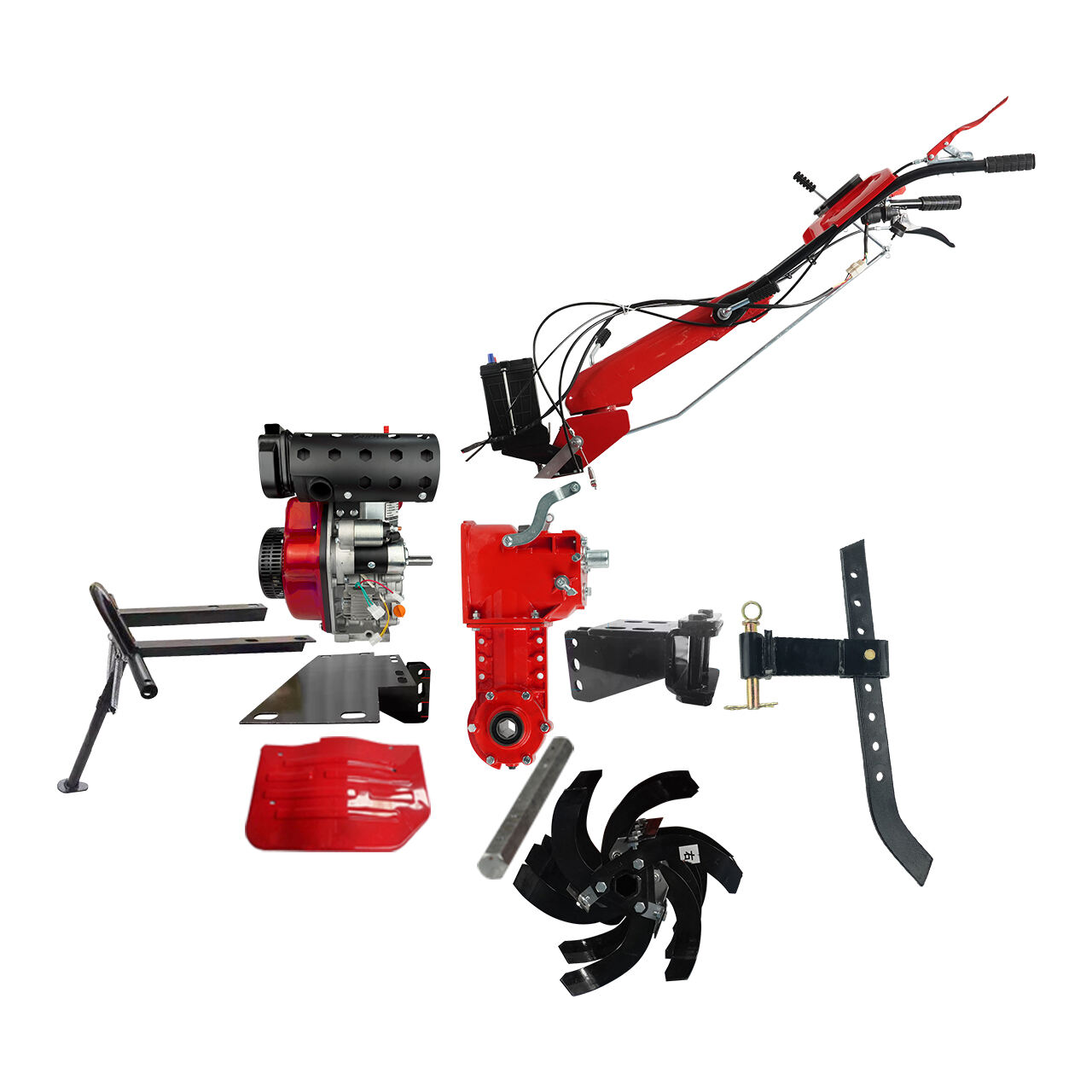
Essential Agricultural Equipment Components Requiring Regular Replacement
The agricultural sector's efficiency heavily depends on properly maintained machinery. Understanding which wear-prone agricultural machinery parts require consistent replacement and stocking is crucial for minimizing downtime and ensuring optimal farm operations. As we approach 2025, the evolution of farming equipment has highlighted specific components that face increased wear and tear, making them essential items for maintenance inventory.
Modern farming operations cannot afford extended equipment downtime, making it critical to maintain a strategic inventory of replacement parts. By identifying and stocking these crucial components, agricultural businesses can maintain productivity and reduce costly emergency repairs. Let's explore the most critical wear-prone agricultural machinery parts that should be part of your maintenance inventory for 2025.
Critical Harvesting Equipment Components
Cutting System Components
Among the most frequently replaced wear-prone agricultural machinery parts are those within harvesting equipment cutting systems. Sickle sections, guard plates, and cutting blades experience constant friction and impact during operation. These components typically require replacement every harvest season, depending on usage intensity and crop conditions.
Modern harvester cutting systems have evolved to include harder materials and improved designs, but they remain subject to significant wear. Keeping multiple sets of these components in stock is essential, as their failure during harvest can result in substantial productivity losses.
Threshing Elements
Threshing components, including concaves, rasp bars, and threshing elements, undergo extensive stress during operation. These wear-prone agricultural machinery parts directly impact harvest quality and efficiency. Regular inspection and timely replacement ensure optimal crop processing and prevent grain damage.
The latest threshing technology incorporates advanced materials that offer improved durability, but these components still require regular replacement to maintain peak performance. Agricultural operations should maintain adequate stocks of these critical parts, particularly before peak harvest seasons.
Soil Engagement Components
Tillage Equipment Wear Parts
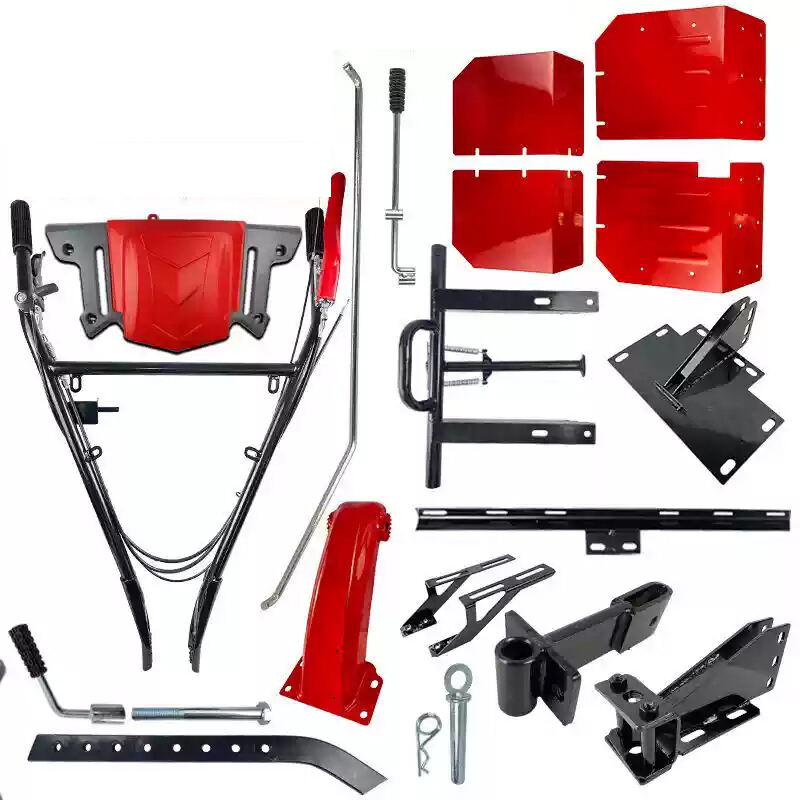
Tillage equipment faces some of the most severe wear conditions in agricultural operations. Plow points, cultivator sweeps, and disc blades are among the most frequently replaced wear-prone agricultural machinery parts. These components directly engage with soil, experiencing constant abrasion and impact loads.
Advanced metallurgy and hardening processes have improved the longevity of modern tillage components, but their replacement remains a regular maintenance requirement. Stocking multiple sets of these parts is essential for maintaining consistent field operations and soil preparation quality.
Seeding System Components
Seeding equipment components, including opener discs, press wheels, and seed tubes, require regular replacement to maintain precise seed placement and emergence rates. These wear-prone agricultural machinery parts directly impact crop establishment and ultimately affect yield potential.
Modern precision farming demands exceptional accuracy in seed placement, making the maintenance of these components critically important. Agricultural operations should maintain comprehensive inventories of seeding system parts to ensure optimal performance during planting windows.
Power Transfer Components
Drive System Elements
Drive belts, chains, and sprockets constitute essential wear-prone agricultural machinery parts that require regular monitoring and replacement. These components transfer power throughout agricultural equipment and are subject to significant stress during operation.
The evolution of power transfer systems has introduced more durable materials and designs, but regular replacement remains necessary for optimal performance. Maintaining adequate stocks of these components helps prevent unexpected equipment failures and extends machinery service life.
Hydraulic System Components
Hydraulic hoses, seals, and filters are critical wear-prone agricultural machinery parts that require regular replacement to maintain system integrity. These components face high pressure and temperature conditions, making them susceptible to deterioration and failure.
Modern agricultural equipment relies heavily on hydraulic systems for various functions, making the maintenance of these components essential for continuous operation. Stocking adequate supplies of hydraulic system components helps prevent oil leaks and system failures.
Material Handling Components
Conveyor System Parts
Conveyor belts, rollers, and bearings represent significant wear-prone agricultural machinery parts in grain handling and processing equipment. These components face continuous use and exposure to abrasive materials, necessitating regular replacement.
The efficiency of modern agricultural operations depends heavily on reliable material handling systems. Maintaining stocks of these critical components ensures continuous operation during crucial harvest and storage periods.
Storage and Transport Equipment
Auger flighting, grain bin sweep components, and transport equipment wear parts require regular replacement to maintain efficient material handling operations. These wear-prone agricultural machinery parts experience significant abrasion during grain movement and storage activities.
Modern storage and transport systems incorporate improved designs and materials, but regular component replacement remains essential for optimal performance. Maintaining adequate inventories of these parts helps ensure efficient post-harvest operations.
Frequently Asked Questions
How often should wear-prone agricultural machinery parts be replaced?
Replacement intervals vary depending on usage intensity, operating conditions, and manufacturer recommendations. Regular inspections should guide replacement decisions, with most wear components requiring assessment at least seasonally.
What factors influence the wear rate of agricultural machinery components?
Soil conditions, operating speed, maintenance practices, and environmental factors significantly impact wear rates. Regular maintenance, proper adjustment, and operating within recommended parameters can help extend component life.
How can agricultural operations optimize their parts inventory management?
Implementing a comprehensive maintenance tracking system, maintaining detailed usage records, and establishing relationships with reliable suppliers helps optimize parts inventory. Regular assessment of wear patterns and seasonal demands should guide stocking decisions.
What emerging technologies are improving the durability of agricultural machinery parts?
Advanced materials science, surface treatments, and improved manufacturing processes are extending component life. However, regular replacement remains necessary for optimal equipment performance and reliability.
Table of Contents
- Essential Agricultural Equipment Components Requiring Regular Replacement
- Critical Harvesting Equipment Components
- Soil Engagement Components
- Power Transfer Components
- Material Handling Components
-
Frequently Asked Questions
- How often should wear-prone agricultural machinery parts be replaced?
- What factors influence the wear rate of agricultural machinery components?
- How can agricultural operations optimize their parts inventory management?
- What emerging technologies are improving the durability of agricultural machinery parts?