EN
EN

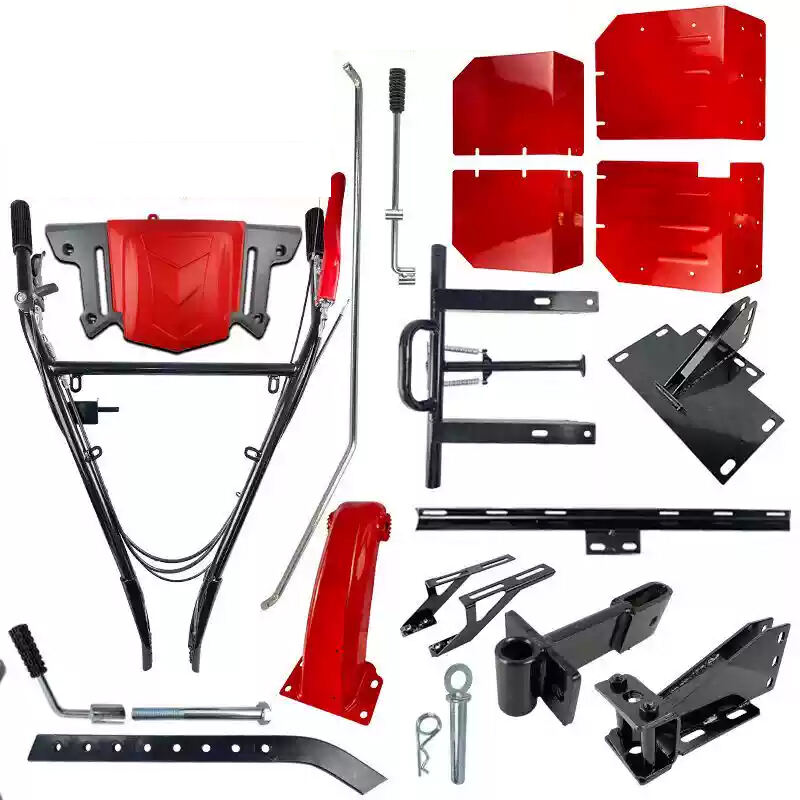
Operacionet moderne të blegtorisë mbështeten fort në pajisje të sofistikuara dhe pjesë me cilësi të lartë për të ruajtur produktivitetin dhe efikasitetin gjatë gjithë sezonit të kultivimit. Aksesorët e makinave bujqësore luajnë një rol të rëndësishëm në sigurimin e funksionimit në performancën maksimale të traktorëve, kultivatorëve, harpësuesve dhe pajisjeve të tjera të fushës, duke minimizuar kohën e pushimit dhe shpenzimet e mirëmbajtjes. Dhe kur po lëvizim drejt vitit 2025, bujkët dhe profesionistët bujqësorë janë gjithnjë e më të fokusuar në zgjedhjen e aksesoreve të duhur që ofrojnë qëndrueshmëri, përputhshmëri dhe vlerë afatgjatë për nevojat e tyre specifike operative.
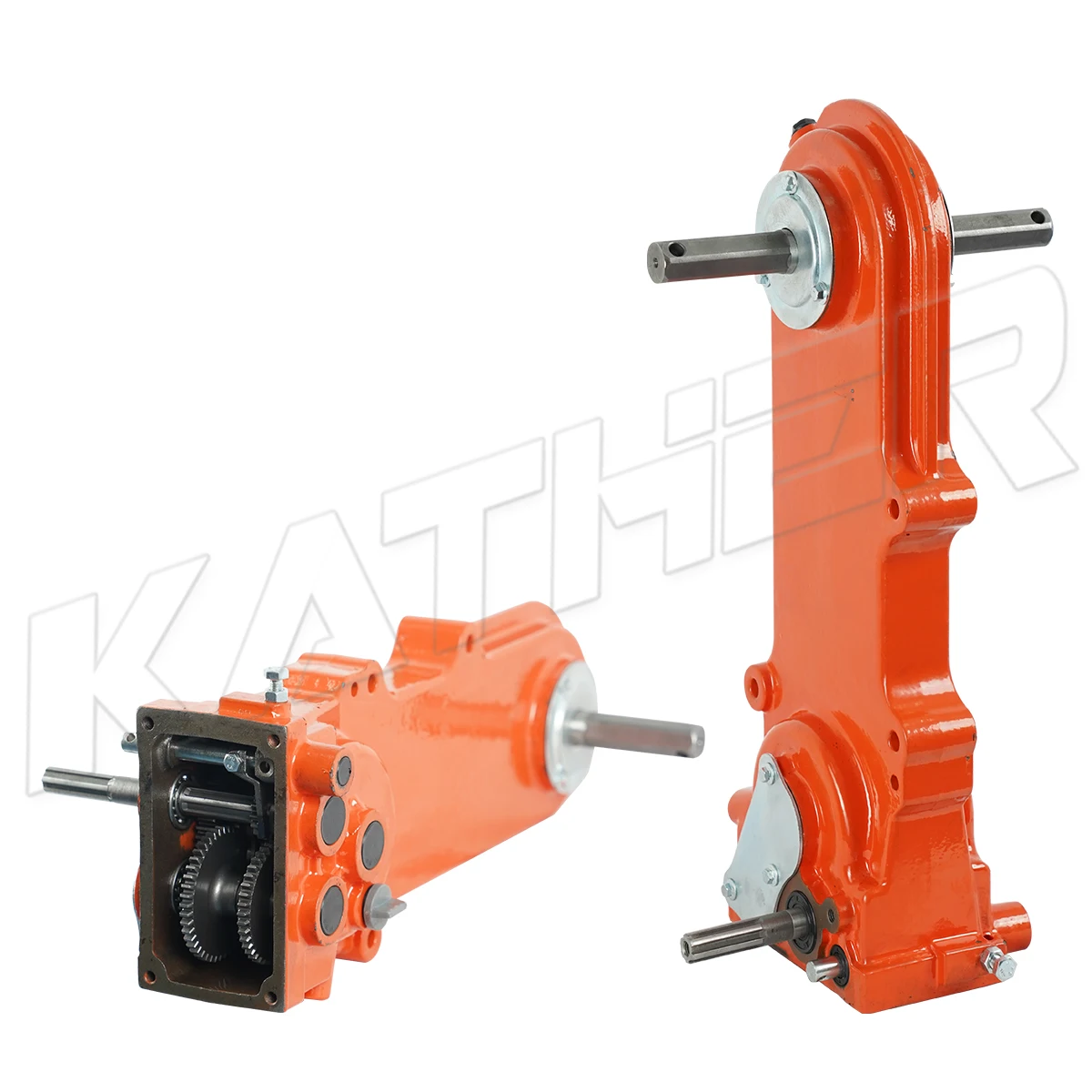
Procesi i zgjedhjes së pjesëve të pajisjeve për bujqësi është bërë më i ndërlikuar pasi prodhuesit prezantojnë materiale të avancuara, dizajne të përmirësuara dhe veçori të specializuara të përshtatura për lloje të ndryshme të kulturave dhe kushte të ndryshme të tokës. Kuptimi i kategorive të ndryshme të aksesorëve të disponueshëm dhe zbatimeve specifike të tyre i ndihmon bujqit të marrin vendime të informuara blerjeje që përputhen me kërkesat e tyre operative dhe kufizimet e buxhetit.
Kategoritë Esenciale të Pjesëve të Pajisjeve Bujqësore
Pjesët e Sistemit të Transmetimit të Fuqisë dhe të Përshpejtimit
Pjesët e transmetimit të fuqisë formojnë kurrizin e operacioneve të makinerive bujqësore, duke transmetuar energjinë nga motorët te pjesët e ndryshme punëtore me efikasitet maksimal. Banda, zinxhirët, kutitë me marsha dhe boshtet e përcjelljes duhet të qëndrojnë kushte ekstreme operimi përfshirë pluhurin, lagështinë, ndryshimet e temperaturës dhe ngarkesat e rënda gjatë periudhëve të gjata pune. Aksesorët e cilësisë së transmetimit të fuqisë sigurojnë funksionim të lëmuar ndërkohë që zvogëlojnë konsumimin e pjesëve kryesore të pajisjeve.
Sistemet moderne të kutisë së shpejtësisë përfshijnë metalurgji të avancuar dhe prodhim me precizion që zgjat jetëgjatësinë e shërbimit në krahasim me dizajnet e mëparshme. Konstruksioni prej çeliku me trajtim të duhur termik ofron fortësi dhe qëndrueshmëri superiore, ndërkohë që sistemet e përmirësuara të bllokimin mbrojnë pjesët e brendshme nga ndotja. Zgjedhja e raporteve të duhura të transmisionit dhe specifikimeve të momentit përketës siguron performancë optimale për aplikime të caktuara si rrahja, mbjellja ose operacionet e korrjes.
Implemente Prerëse dhe Kultivimi
Implementet prerëse paraqesin disa nga më të zëvendësuaret me shpesh larg dhe aksesorët e mashinave të agrikulturës për shkak të kontaktit të vazhdueshëm me tokën dhe kushteve abrasiv. Pjesët e aratorit, pikat e kultivatorit, thasit e diskut dhe thikat e maskës kërkojnë mirëmbajtje dhe zëvendësim të rregullt për të ruajtur efikasitetin e prerjes dhe për të parandaluar dëmtimin e kurrizeve ose strukturës së tokës. Materiale premium si legurat e çelikut të fortëzuara dhe skajet me karbid ofrojnë jetëgjatësi më të gjatë të konsumit dhe performancë të qëndrueshme.
Gjeometria dhe dizajni i veglave prerëse ndikojnë drejtpërdrejt në konsumin e karburantit, modelet e çrregullimeve të tokës dhe produktivitetin e përgjithshëm në fushë. Teknikat e përparuara të prodhimit lejojnë formësim të saktë dhe shpërndarje të qëndrueshme të fortësisë që i mban tehet e mprehta të prerjes më gjatë se alternativat konvencionale. Përzgjedhja e duhur bazuar në llojin e tokës, nivelet e mbetjeve të të korrave dhe shpejtësinë e funksionimit siguron rezultate optimale duke minimizuar frekuencën e zëvendësimit.
Faktorët Kritikë për Zgjedhjen e Aksesorive
Specifikimet e Përputhshmërisë dhe Montimit
Sigurimi i përputhshmërisë së duhur midis aksesorive të makinave bujqësore dhe pajisjeve ekzistuese parandalon problemet e shtrenjta të montimit dhe rreziqe potenciale për sigurinë. Prodhuesit ofrojnë specifikime të hollësishme përfshirë dimensionet e montimit, modelet e bulonave dhe llojet e lidhjeve që duhet të përputhen saktësisht me makinat pritëse. Montimi i pasaktë mund të rezultojë në dështim të herëshëm, performancë të ulët ose madje edhe kushte të rrezikshme gjatë funksionimit që komprometojnë sigurinë e operatorit.
Kryqëzimi i numrave të pjesëve dhe konsultimi i udhëzimeve të pajisjeve ndihmon në verifikimin e përputhshmërisë para blerjes, veçanërisht kur kemi të bëjmë me modele të vjetra makinerie ose pjesë të tregut të dytë. Shumë furnizues ofrojnë baza të dhënash për përputhshmëri dhe shërbime mbështetjeje teknike për t’i ndihmuar klientët në zgjedhjen e aksesoreve të duhura për konfigurimet specifike të pajisjeve dhe kërkesat operative.
Cilësia e materialeve dhe standartet e ndërtimit
Ambienti i rëndë i funksionimit në aplikimet bujqësore kërkon aksesorë të ndërtuar nga materiale premium me trajtime sipërfaqësore të duhura dhe shtresa mbrojtëse. Rezistenca ndaj korrozionit bëhet veçanërisht e rëndësishme për pjesët që ekspozohen ndaj plehrave, paraziticideve dhe kushteve motore që përshpejtojnë degradimin e metaleve. Ndërtimi me çelik të galvanizuar, me përtypje të fuqishme ose prej çeliku të pangur ofron mbrojtje afatgjatë kundër dëmeve mjedisore.
Standardet e kontrollit të cilësisë në prodhim ndikojnë drejtpërdrejt në besueshmërinë dhe kohëzgjatjen e aksesorëve të makinave bujqësore. Pjesët e prodhuara nën programe sertifikimi ISO ose sisteme të barabarta të menaxhimit të cilësisë tregojnë saktësi dimensionale të qëndrueshme, veti materiale dhe karakteristika performancash. Investimi në aksesorë me cilësi më të lartë rezulton zakonisht në një kosto totale më të ulët të pronësisë përmes intervaleve më të gjata të mirëmbajtjes dhe shkallëve më të ulëta të dështimit.
Teknologjitë për Përmirësimin e Performancës
Aplikime të Materialeve të Avancuara
Zhvillimet e fundit në metalurgji dhe materiale kompozite kanë prezantuar opsione të reja për aksesorët e makinave bujqësore që ofrojnë karakteristika superiore të performancës në krahasim me pjesët tradicionale prej çeliku. Aliazhet me rezistencë të lartë, kompozitet keramike dhe materiale polimerike ofrojnë kombinime unike të fortësisë, zbutjes së peshës dhe rezistencës ndaj korrozionit që i beneficijnë aplikimeve specifike. Këto materiale të avancuara shpesh kërkojnë çmime më të larta, por ofrojnë qëndrueshmëri të theksuar dhe kërkesa më të ulëta për mirëmbajtje.
Flluska prej karbidi volfram, mbulesa prej çeliku të fortësuar dhe platingu krom i përfaqësojnë teknologji të provuara për zgjatjen e jetës së shfrytëzimit të pjesëve të konsumit në mjedise abrazive. Trajtime sipërfaqësore të fortësimit siç janë fortësimi i plotë, fortësimi i rastit dhe nitridimi krijojnë shtresa mbrojtëse që rezistojnë ndaj konsumit, duke ruajtur saktësinë e bërthamës. Zgjedhja e aksesorëve me trajtime materiale të përshtatshme për kushte specifike funksionimi maksimalizon performancën dhe efikasitetin ekonomik.
Inxhinieria dhe prodhimi i saktë
Proceset e prodhimit të kontrolluara me kompjuter lejojnë prodhimin e aksesorive të makinave bujqësore me toleranca dimensionale të ngushta dhe karakteristika të qëndrueshme cilësie. Përpunimi CNC, prerja me laser dhe sistemet e lidhjes automatike prodhojnë pjesë që i përshtaten specifikimeve të sakta, duke eliminuar gabimet dhe ndryshimet njerëzore. Kjo prodhimi i saktë rezulton në montim më të mirë, performancë të përmirësuar dhe jetëgjatësi të zgjatur në aplikime fushore.
Testimi i sigurisë së cilësisë gjatë tërë procesit të prodhimit garanton që aksesoret të plotësojnë ose të tejkalojnë specifikimet e pajisjeve origjinale për fortësi, qëndrueshmëri dhe performancë. Inspektimi dimensional, testimi i materialit dhe vlerësimi funksional ofrojnë besim se pjesët do të funksionojnë në mënyrë të besueshme në kushte të rënda bujqësore. Zgjedhja e aksesorive nga prodhues me sisteme të forta kontrolli cilësie zvogëlon rrezikun e dështimeve parakohore dhe kostove të lidhura me pushimet.
Mendime Ekonomike dhe Analiza e Vlerës
Vlerësimi i Kostos Totale të Pronësisë
Vlerësimi i aksesorëve të pajisjeve bujqësore kërkon konsiderimin e faktorëve përtej çmimit fillestar të blerjes për të përcaktuar vlerën ekonomike reale. Kostoja totale e pronësisë përfshin koston e blerjes, shpenzimet e instalimit, kërkesat e mirëmbajtjes, intervalin e zëvendësimit dhe ndikimin operativ gjatë jetës së komponentit. Aksesorët premium me kosto fillestare më të lartë ofrojnë shpesh vlerë më të mirë përmes intervaleve më të gjata të shërbimit dhe kërkesave më të ulëta të mirëmbajtjes.
Kostot e pushimit të punës së lidhura me dështimet e komponentëve mund të tejkalojnë në mënyrë të konsiderueshme diferencën e çmimeve midis aksesorëve standard dhe atyre premium. Komponentët kritikë që shkaktojnë ndërprerje të plotë të makinës kur dështojnë kërkojnë investim në alternativa më të mira cilësore që ofrojnë besueshmëri të përmirësuar. Llogaritja e ndikimit të kostos së humbur nga produktiviteti gjatë stinëve kulmore të blegtorisë ndihmon të drejtësojë investimin në aksesorë më të mirë që minimizojnë rreziqet e dështimit.
Konsiderata të Kërkesës dhe Supply-s së Stinore
Aksesorët për pajisje bujqësore përjetojnë lëkundje të mëdha sezonale në kërkesë që ndikojnë në çmime dhe disponueshmëri gjatë vitit. Planifikimi i blerjeve gjatë periudhave jashtë sezoni mund të rezultojë në kursime të mëdha të kostos, duke siguruar një inventar të mjaftueshëm për operacionet kritike bujqësore. Shumë furnizues ofrojnë programe zbritjesh sezonale dhe stimuj për blerjen me sasi të mëdha që i shpërblen strategjitë e mençura të blerjes.
Shpërbërjet e sistemit të furnizimit dhe kufizimet globale të prodhimit kanë rritur rëndësinë e planifikimit paraprak për nevojat e aksesoreve. Zhvillimi i marrëdhënieve me furnizues të besueshëm dhe ruajtja e niveleve strategjike të inventarit ndihmon në sigurimin e disponueshmërisë së komponentëve kur janë më të domosdoshëm. Konsideroni faktorë si kohëzgjatja e dorëzimit, sasi minimale të porosisë dhe kërkesat e depozitimit kur zhvillonit strategji blerjesh për aksesorë pajisjesh bujqësore.
Praktikat Mijore për Montim dhe Mbajtje
Teknikat profesionale të instalimit
Procedurat e instalimit të duhura janë esenciale për arritjen e performancës optimale dhe jetëgjatësisë së aksesorive të makinave bujqësore. Ndjekja e specifikimeve të prodhuesit për vlerat e momentit, sekuencat e montimit dhe procedurat e rregullimit siguron përshtatje të saktë dhe parandalon konsumimin e herëshëm ose dështimin. Përdorimi i veglave dhe teknikave të duhura gjatë instalimit eliminojnë dëmtimet që mund të komprometojnë integritetin e pjesëve ose të krijojnë rreziqe për sigurinë.
Përgatitja para instalimit, përfshirë pastrimin e sipërfaqeve të montimit, kontrollin e fiksuesve dhe verifikimin e aliniazhit, ndihmon në sigurimin e rezultateve të suksesshme të instalimit. Ndotja, korrozioni ose dëmtimi në ndërfaqet e montimit mund të pengojnë pozicionimin e duhur dhe të krijojnë koncentrime tensionesh që çojnë në dështimin e pjesëve. Kushtimi i kohës për një përgatitje të plotë dhe instalim të kujdesshëm sjell fitime në terma besueshmërie dhe performancë.
Strategji për Mbajtje Preventive
Zbatimi i programeve të sistematizuara të mirëmbajtjes maksimizon jetëgjatësinë dhe performancën e aksesorive të makinave bujqësore, ndërkohë që minimizon dështimet e papritura gjatë operacioneve kritike. Planet e rregullta të kontrollit lejojnë zbulimin e hershëm të modeleve të konsumit, dëmeve ose pamarrjes së aliniazhit, që mund të çojnë në dështimin e komponentëve nëse nuk merren masa. Dokumentimi i aktiviteteve të mirëmbajtjes ndihmon në gjurmimin e performancës së komponentëve dhe optimizimin e intervaleve të zëvendësimit.
Procedurat e lubrifikimit, pastrimit dhe rregullimit specifike për secilin lloj aksesorirojnë mbajtjen e kushteve optimale të funksionimit dhe parandalimin e konsumit të shpejtuar. Faktorët ambientalë si pluhuri, lagështia dhe ekspozimi ndaj kimikateve kërkojnë masa mbrojtëse shtesë dhe intervale më të shpeshta mirëmbajtjeje. Zhvillimi i protokolleve të personalizuara të mirëmbajtjes bazuar në kushtet e funksionimit dhe rekomandimet e prodhuesit siguron performancë të besueshme të komponentëve gjatë gjithë jetëgjatësisë së tyre.
FAQ
Sa shpesh duhet zëvendësuar aksesoritë e makinave bujqësore
Intervallet e zëvendësimit për aksesorët e makinerive bujqësore ndryshojnë në mënyrë të konsiderueshme bazuar në kushtet e funksionimit, intensitetin e përdorimit dhe cilësinë e komponentëve. Komponentët e konsumit, si pikat e kultivatorit dhe thikat e pjesës së kopës, zakonisht kërkojnë zëvendësim çdo 100-500 orë funksionimi, ndërsa aksesoret strukturore, si kutitë me shpejtësi, mund të zgjasin disa mijëra orë me mirëmbajtje të duhur. Monitorimi i modeleve të konsumit dhe i degradimit të performancës ndihmon në përcaktimin e kohës optimale të zëvendësimit për të parandaluar dështimet e papritura gjatë operacioneve kritike bujqësore.
Cilat faktorë përcaktojnë përputhshmërinë midis aksesorëve dhe pajisjeve ekzistuese
Përshtatshmëria varet nga shumë faktorë, përfshirë dimensionet e montimit, modelet e bulonave, kërkesat e energjisë dhe specifikimet operative. Prodhuesit e pajisjeve ofrojnë informacion të hollësishëm për përshtatshmërinë përmes katalogjeve të pjesëve dhe dokumentacioneve teknike, të cilat duhet të konsultohen para se të blihen aksesorët. Krahasimi i numrave të pjesëve, konsultimi i bazave të të dhënave për përshtatshmëri dhe kërkimi i mbështetjes teknike nga furnitorët ndihmon në sigurimin e përshtatshmërisë së duhur dhe parandalimin e problemave të shtrenjta të instalimit ose rreziqeve për sigurinë.
A vlen investimi shtesë në aksesorë premium në krahasim me alternativat standarde
Aksesoret premium për pajisje bujqësore zakonisht e arsyetojnë koston e tyre më të lartë përmes përmirësimit të qëndrueshmërisë, performancës së përmirësuar dhe kërkesave të ulëta për mirëmbajtje. Edhe pse çmimet fillestare të blerjes mund të jenë 20-50% më të larta se alternativat standarde, pjesët premium ofrojnë shpesh një jetëgjatësi 2-3 herë më të gjatë dhe besnikëri më të mirë gjatë operacioneve të vështira. Llogaritja e koston totale të posedimit duke përfshirë koston e pushimeve nga puna, intervalin e zëvendësimit dhe shpenzimet për mirëmbajtje, në përgjithësi i favorizon investimet në aksesorë me cilësi më të lartë për aplikime kritike.
Si mund të optimizojnë fermierët strategjitë e tyre për blerjen e aksesorëve
Strategjitë efektive të blerjes përfshijnë planifikimin e blerjeve gjatë stinëve jashtë kulmit për të shfrytëzuar zbritjet e çmimeve dhe për të siguruar disponueshmërinë gjatë periudhave kritike të blegtorisë. Zhvillimi i marrëdhënieve me furnitorë të shumtë ofron alternativa gjatë mungesës së furnizimit, ndërkohë që ruajtja e niveleve strategjike të inventarit parandalon blerjet emergjente me çmime të larta. Vlerësimi i koston totale të pronësisë, në vend se të fokusohet vetëm në çmimin fillestar të blerjes, ndihmon të identifikohen aksesoret që ofrojnë vlerën më të mirë afatgjatë për aplikime dhe kushte të caktuara funksionimi.