EN
EN

Pemadaman listrik dapat terjadi secara tak terduga, membuat bisnis dan pemilik rumah harus cepat mencari solusi cadangan yang andal. Sebuah generator diesel menawarkan kinerja unggul dan keandalan tinggi saat Anda membutuhkan pasokan listrik yang konsisten selama keadaan darurat atau perawatan terencana. Memahami faktor-faktor utama yang memengaruhi pemilihan generator akan membantu memastikan investasi Anda memberikan layanan yang andal selama bertahun-tahun tepat pada saat dibutuhkan. Teknologi generator diesel modern telah berkembang pesat, menawarkan efisiensi bahan bakar yang lebih baik, emisi yang berkurang, serta fitur operasional yang ditingkatkan sehingga menjadikannya ideal untuk berbagai aplikasi.
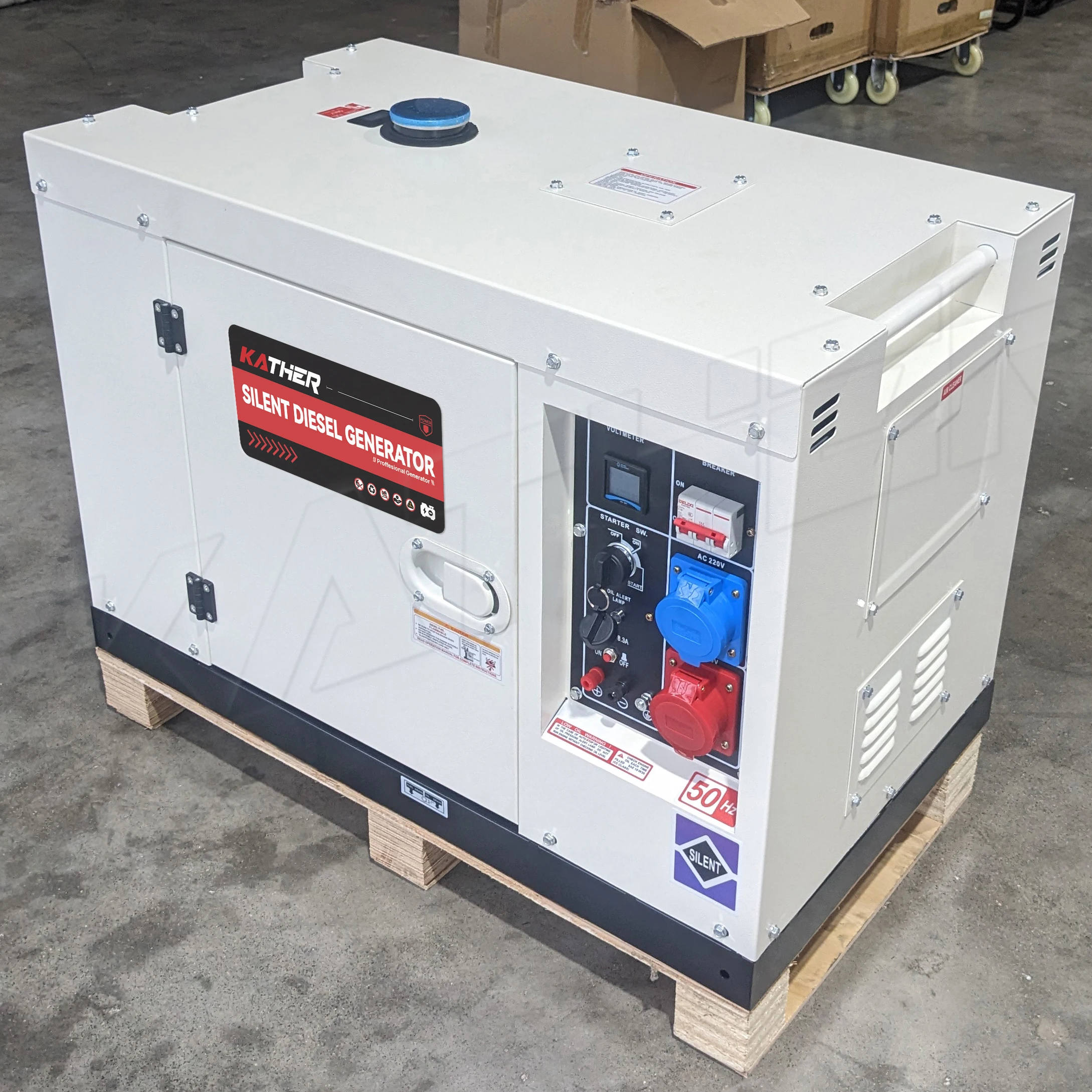
Memilih solusi daya cadangan yang tepat memerlukan pertimbangan cermat terhadap berbagai faktor teknis dan operasional. Kebutuhan daya spesifik Anda, lingkungan pemasangan, dan pola penggunaan yang dimaksudkan semuanya memainkan peran penting dalam menentukan model generator diesel yang paling sesuai dengan kebutuhan Anda. Generator saat ini dilengkapi sistem kontrol canggih, sakelar transfer otomatis, dan kemampuan pemantauan jarak jauh yang meningkatkan keandalan dan kemudahan penggunaannya. Baik Anda melindungi operasi bisnis kritis atau menjaga kenyamanan rumah selama pemadaman listrik, generator diesel yang tepat dapat memberikan ketenangan pikiran dan pasokan daya tanpa gangguan.
Memahami Kebutuhan Daya dan Analisis Beban
Menghitung Kebutuhan Daya Penting
Perhitungan daya yang akurat menjadi dasar dalam pemilihan generator yang tepat. Mulailah dengan membuat daftar semua peralatan dan perlengkapan penting yang harus tetap beroperasi selama pemadaman listrik. Sertakan kulkas, sistem pemanas dan pendingin, penerangan, komputer, serta peralatan khusus apa pun yang penting bagi operasi Anda. Nilai watt setiap perangkat, yang biasanya tercantum pada label pabrikan atau lembar spesifikasi, memberikan dasar untuk perhitungan Anda.
Pertimbangkan daya mulai (starting watts) dan daya operasional (running watts) saat mengevaluasi kebutuhan daya. Banyak motor dan kompresor memerlukan daya jauh lebih besar saat proses startup dibandingkan saat operasi normal. AC, kulkas, dan motor pompa sering kali membutuhkan dua hingga tiga kali lipat daya operasionalnya untuk proses penghidupan awal. Perhitungkan kebutuhan lonjakan daya ini ke dalam total perhitungan daya Anda guna mencegah beban berlebih pada generator dan memastikan kelancaran operasi semua peralatan yang terhubung.
Perencanaan untuk Ekspansi Daya Masa Depan
Perhitungan ukuran generator yang cerdas mempertimbangkan kebutuhan daya di masa depan yang mungkin melebihi kebutuhan saat ini. Pertimbangkan penambahan peralatan yang direncanakan, ekspansi fasilitas, atau perubahan pola penggunaan yang dapat meningkatkan permintaan listrik selama masa pakai generator yang diperkirakan. Menambahkan cadangan sebesar 20-25% pada kebutuhan daya yang telah dihitung memberikan fleksibilitas untuk beban tak terduga serta memastikan kinerja generator tetap optimal tanpa harus beroperasi secara terus-menerus pada kapasitas maksimum.
Evaluasi variasi musiman dalam konsumsi daya yang dapat memengaruhi strategi catu daya cadangan Anda. Beban pendinginan musim panas sering kali melebihi kebutuhan pemanasan musim dingin di banyak wilayah, sementara beberapa bisnis mengalami pola penggunaan peralatan yang bersifat musiman. Memahami fluktuasi ini membantu menentukan apakah generator diesel Anda perlu menangani beban puncak musiman atau apakah strategi manajemen beban dapat mengoptimalkan kinerja selama periode permintaan tinggi.
Efisiensi Bahan Bakar dan Pertimbangan Waktu Operasi
Keunggulan dan Penyimpanan Bahan Bakar Diesel
Solar diesel menawarkan kepadatan energi yang lebih unggul dibanding bensin, memberikan durasi operasi lebih lama per galon dan tingkat konsumsi bahan bakar yang lebih dapat diprediksi. Mesin diesel modern mencapai efisiensi bahan bakar yang sangat baik sambil mempertahankan keluaran daya yang konsisten dalam berbagai kondisi beban. Efisiensi ini berarti biaya operasional yang lebih rendah dan kebutuhan penyimpanan bahan bakar yang lebih sedikit, menjadikan generator diesel sangat menarik untuk skenario pemadaman yang berkepanjangan atau kebutuhan cadangan listrik secara rutin.
Perencanaan penyimpanan bahan bakar yang tepat memastikan generator diesel Anda siap beroperasi sewaktu-waktu. Bahan bakar diesel dapat disimpan dengan aman dalam jangka waktu lama dengan penambahan aditif yang sesuai dan kondisi penyimpanan yang tepat. Pertimbangkan pemasangan tangki bahan bakar khusus yang berukuran cukup untuk menyediakan durasi operasi yang memadai sesuai durasi pemadaman khas di wilayah Anda. Banyak pengguna memasang tangki yang mampu menyediakan operasi terus-menerus selama 24-48 jam pada beban 75%, sehingga memberi waktu untuk mengatur pengiriman bahan bakar selama pemadaman yang berkepanjangan.
Strategi Optimalisasi Durasi Operasi
Memaksimalkan waktu operasi generator melibatkan keseimbangan antara daya keluaran dengan konsumsi bahan bakar melalui manajemen beban yang cerdas. Generator diesel modern dilengkapi kemampuan bank beban dan fitur pemutusan beban otomatis yang mengoptimalkan efisiensi bahan bakar dengan menyesuaikan daya keluaran sesuai kebutuhan aktual. Sistem ini dapat secara otomatis memutus beban non-esensial selama operasi berkepanjangan, sehingga menghemat bahan bakar untuk sistem penting.
Perawatan rutin sangat memengaruhi efisiensi bahan bakar dan kinerja waktu operasi secara keseluruhan. Filter udara yang bersih, injektor bahan bakar yang terawat dengan baik, serta pelumas berkualitas memastikan generator diesel Anda beroperasi pada efisiensi maksimal. Program perawatan berkala membantu mengidentifikasi potensi masalah sebelum memengaruhi kinerja, sehingga menjamin operasi yang andal ketika daya cadangan diperlukan. Banyak produsen menyediakan jadwal perawatan terperinci yang mengoptimalkan kinerja maupun umur pakai.
Persyaratan Instalasi dan Persiapan Lokasi
Pemilihan Lokasi dan Faktor Lingkungan
Pemilihan lokasi pemasangan yang tepat secara langsung memengaruhi kinerja generator, aksesibilitas perawatan, dan kepatuhan terhadap regulasi. Pilih lokasi yang menyediakan ventilasi memadai untuk udara pembakaran dan pendinginan sambil menjaga jarak yang wajar dari bukaan bangunan, batas properti, dan struktur tetangga. Pertimbangkan pola angin dominan untuk meminimalkan dampak kebisingan dan paparan gas buang ke area yang dihuni.
Faktor lingkungan termasuk suhu ekstrem, tingkat kelembapan, dan paparan terhadap kondisi cuaca memengaruhi pemilihan dan persyaratan pemasangan generator. Generator yang dipasang di iklim keras mungkin memerlukan perlindungan tambahan, paket mulai cuaca dingin, atau penutup khusus. Pemasangan di daerah pesisir mungkin membutuhkan komponen tahan korosi, sedangkan lokasi pada ketinggian tinggi bisa memerlukan perhitungan penurunan daya untuk mengakomodasi kepadatan udara yang lebih rendah.
Sambungan Listrik dan Sistem Transfer
Instalasi listrik profesional memastikan integrasi generator yang aman dan sesuai kode dengan sistem kelistrikan yang ada. Sakelar transfer otomatis menyediakan perpindahan daya yang mulus selama pemadaman, memantau kualitas daya listrik dan memulai pengoperasian generator ketika tegangan atau frekuensi berada di luar batas yang dapat diterima. Sakelar transfer manual menawarkan alternatif hemat biaya untuk instalasi kecil di mana operasi otomatis tidak diperlukan.
Penyeimbangan beban listrik menjadi kritis saat menghubungkan peralatan tiga fasa ke sistem daya cadangan. Penyeimbangan fasa yang tepat mencegah panas berlebih pada generator dan memastikan operasi yang efisien di seluruh fasa listrik. Berkolaborasilah dengan teknisi listrik terkualifikasi untuk merancang sistem transfer yang sesuai dengan konfigurasi panel listrik dan kebutuhan distribusi beban spesifik Anda, sambil menjaga keselamatan dan kepatuhan terhadap standar teknis.
Kontrol Kebisingan dan Kepatuhan Regulasi
Manajemen Tingkat Kebisingan
Modern generator diesel desain menggabungkan teknologi redaman suara canggih untuk meminimalkan tingkat kebisingan operasional. Panel peredam suara, dudukan isolasi getaran, dan sistem pembuangan yang dioptimalkan secara signifikan mengurangi emisi kebisingan dibandingkan unit rangka terbuka. Fitur-fitur ini memungkinkan pemasangan di area perumahan atau lingkungan komersial yang peka terhadap kebisingan, di mana generator konvensional dapat melanggar peraturan kebisingan setempat.
Pertimbangkan lingkungan akustik di sekitar lokasi pemasangan saat memilih tingkat kebisingan generator. Pemasangan di perumahan biasanya memerlukan tingkat kebisingan di bawah 60-65 desibel di batas properti, sedangkan aplikasi komersial dan industri mungkin mengizinkan tingkat kebisingan yang lebih tinggi. Penghalang suara, penempatan strategis, dan penjadwalan operasional dapat lebih lanjut meminimalkan dampak kebisingan terhadap properti tetangga serta menjaga hubungan baik dengan masyarakat.
Perizinan dan Kepatuhan Terhadap Peraturan
Pemasangan generator harus mematuhi kode bangunan setempat, kode listrik, dan peraturan lingkungan yang bervariasi menurut wilayah. Banyak pemerintah kota mengharuskan izin bangunan untuk pemasangan generator permanen, terutama yang melibatkan sambungan listrik atau sistem penyimpanan bahan bakar. Teliti persyaratan setempat sejak awal proses perencanaan untuk memastikan kepatuhan dan menghindari penundaan pemasangan atau modifikasi yang mahal.
Kode kebakaran sering kali menentukan jarak bebas minimum dari bangunan, batas properti, dan bahan mudah terbakar. Beberapa daerah membatasi ukuran tangki bahan bakar atau mewajibkan sistem penampungan sekunder untuk mencegah pencemaran lingkungan. Berkolaborasilah dengan otoritas setempat dan pemasang terlatih untuk memastikan pemasangan generator diesel Anda memenuhi semua kode dan peraturan yang berlaku, sekaligus mengoptimalkan kinerja dan kemudahan penggunaan.
Pertimbangan Pemeliharaan dan Layanan
Program Pemeliharaan Pencegahan
Menyusun jadwal perawatan komprehensif memastikan kinerja generator diesel yang andal sepanjang masa operasionalnya. Penggantian oli secara berkala, penggantian filter, serta perawatan sistem pendingin mencegah keausan dini dan menjaga efisiensi operasional optimal. Kebanyakan produsen menyediakan interval perawatan terperinci berdasarkan jam operasi atau jadwal kalender, mana yang lebih dulu tercapai.
Program uji coba menjaga generator diesel dalam kondisi siap pakai dengan menjalankan unit secara berkala dalam kondisi beban. Siklus uji coba mingguan atau bulanan mengalirkan pelumas, menjaga tingkat pengisian baterai, dan memverifikasi operasi yang benar dari semua sistem kontrol. Program-program ini membantu mengidentifikasi potensi masalah sebelum operasi darurat diperlukan, memastikan sistem tenaga cadangan Anda merespons secara andal saat paling dibutuhkan.
Aksesibilitas Layanan dan Dukungan
Pertimbangkan ketersediaan layanan lokal saat memilih merek dan model generator diesel. Produsen terkemuka dengan jaringan layanan regional menyediakan waktu respons yang lebih cepat dan suku cadang pengganti yang lebih mudah didapatkan. Beberapa produsen menawarkan kontrak layanan komprehensif yang mencakup perawatan berkala, perbaikan darurat, serta penggantian suku cadang, sehingga memberikan biaya perawatan yang dapat diprediksi dan dukungan layanan profesional.
Melatih operator dalam prosedur perawatan dasar dan teknik pemecahan masalah dapat mengurangi waktu henti dan biaya layanan. Banyak generator dilengkapi tampilan diagnosis yang memberikan informasi status operasi dan kode kerusakan untuk membantu mengidentifikasi masalah secara cepat. Memahami kebutuhan perawatan dasar serta memiliki akses ke teknisi layanan yang berkualifikasi memastikan investasi generator diesel Anda memberikan daya cadangan yang andal selama bertahun-tahun ke depan.
FAQ
Berapa lama sebuah generator diesel dapat beroperasi secara terus-menerus
Sebagian besar generator diesel modern dapat beroperasi secara terus-menerus selama 24-72 jam tergantung pada kapasitas tangki bahan bakar dan kondisi beban. Unit dengan tangki bahan bakar yang lebih besar dan sistem pendingin yang memadai dapat berjalan tanpa batas waktu dengan pengisian bahan bakar berkala. Namun, pabrikan biasanya merekomendasikan jeda perawatan berkala setiap 24-48 jam operasi terus-menerus untuk memeriksa level cairan dan melakukan inspeksi dasar.
Berapa ukuran generator diesel yang saya butuhkan untuk rumah saya
Pemilihan ukuran generator rumah bergantung pada beban listrik penting selama pemadaman. Sebagian besar rumah membutuhkan kapasitas 15-25 kW untuk menghidupkan sistem kritis termasuk pendingin makanan, pemanas/pendingin ruangan, pencahayaan, dan perangkat elektronik. Hitung total watt dari peralatan penting dan tambahkan cadangan 20-25% untuk beban lonjakan dan kebutuhan masa depan. Konsultasikan dengan tenaga profesional listrik untuk analisis beban yang akurat dan rekomendasi pemilihan ukuran yang tepat.
Seberapa sering saya harus menguji generator diesel saya
Lakukan pengujian generator diesel secara mingguan atau bulanan dalam kondisi beban selama 30-60 menit untuk menjaga kesiapan. Pengujian rutin mencegah degradasi bahan bakar, mempertahankan daya baterai, mengalirkan cairan mesin, serta memverifikasi operasi yang benar dari semua sistem. Beberapa pengendali otomatis dilengkapi jadwal pengujian yang dapat diprogram untuk menghidupkan generator secara otomatis pada periode tertentu.
Perawatan apa saja yang dibutuhkan oleh generator diesel
Generator diesel memerlukan penggantian oli secara rutin setiap 100-250 jam, penggantian filter udara setiap 500 jam, dan penggantian filter bahan bakar setiap tahun atau sesuai spesifikasi pabrikan. Perawatan tambahan mencakup perawatan sistem pendingin, pengujian baterai, pemeriksaan sabuk, serta pengujian beban berkala. Ikuti jadwal perawatan dari pabrikan dan gunakan teknisi servis terlatih untuk perbaikan dan penyetelan yang kompleks.