EN
EN

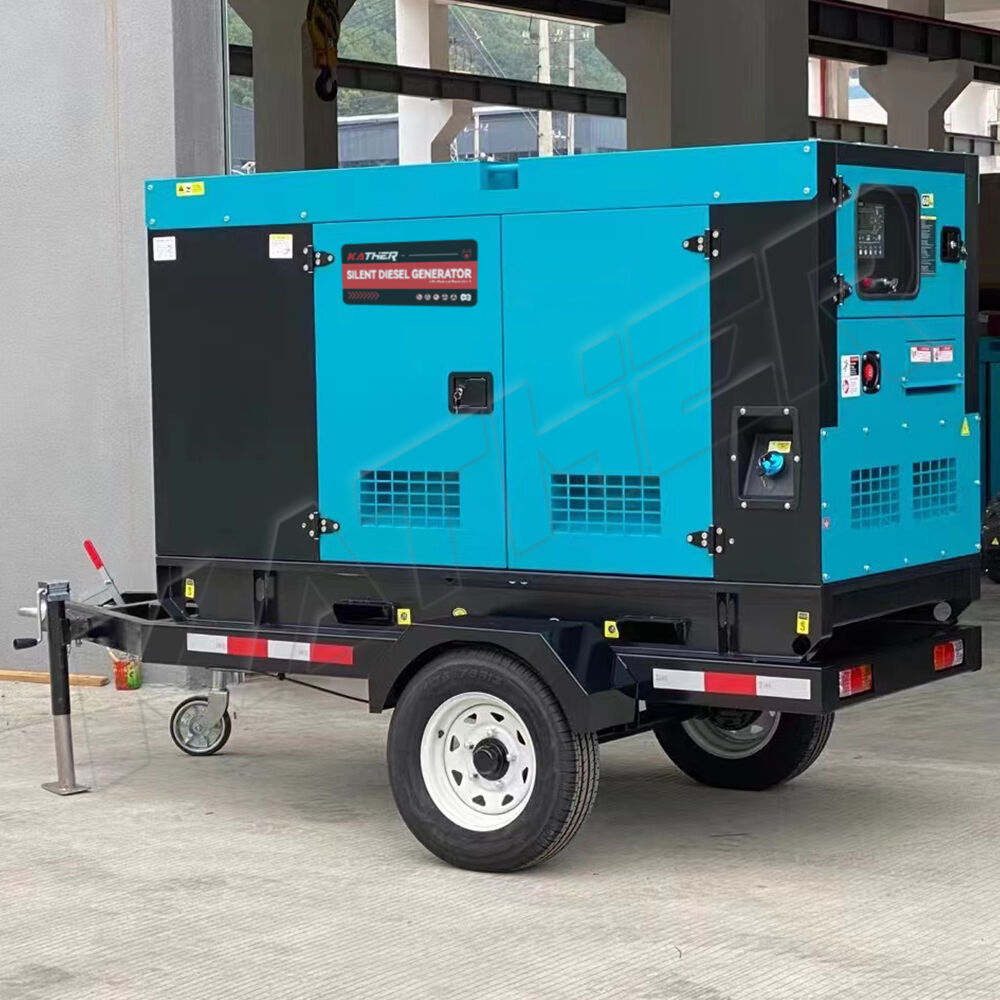
Selecting the right gasoline silent generator requires careful consideration of multiple technical factors that directly impact performance, efficiency, and user satisfaction. Modern consumers and businesses increasingly demand power solutions that deliver reliable electricity without the excessive noise associated with traditional generators. A gasoline silent generator combines the fuel efficiency of gasoline engines with advanced noise reduction technology, making it an ideal choice for residential backup power, camping adventures, and commercial applications where quiet operation is essential. Understanding the key specifications and performance metrics will help you make an informed decision that meets your specific power requirements and operational preferences.
Understanding Wattage Requirements for Your Power Needs
Calculating Essential Power Consumption
Determining the appropriate wattage capacity for your gasoline silent generator begins with a comprehensive assessment of your electrical load requirements. Start by listing all essential appliances, tools, and devices you plan to power simultaneously during an outage or off-grid situation. Each electrical device has both starting watts and running watts specifications, with starting watts typically being significantly higher due to motor surge requirements. Refrigerators, air conditioners, and power tools often require two to three times their running wattage during startup, which your generator must accommodate.
Professional electricians recommend calculating your total running watts and adding a 20-25% safety margin to ensure reliable operation without overloading the generator. For residential backup power, most households require between 3000-7500 watts to maintain essential functions including lighting, refrigeration, heating or cooling systems, and electronic devices. A quality gasoline silent generator in this range provides sufficient capacity for comfortable living during extended power outages while maintaining the quiet operation necessary for residential areas.
Commercial and industrial applications may require higher wattage capacities depending on equipment specifications and operational demands. Construction sites, outdoor events, and small businesses often benefit from generators ranging from 5000-15000 watts. When selecting a gasoline silent generator for commercial use, consider future expansion needs and seasonal variations in power consumption to avoid premature equipment upgrades.
Matching Generator Capacity to Load Types
Different electrical loads place varying demands on generator performance, requiring careful consideration of load characteristics when sizing your gasoline silent generator. Resistive loads such as incandescent lighting, electric heaters, and basic appliances are relatively easy for generators to handle since they maintain consistent power draw without significant voltage fluctuations. Inductive loads including motors, compressors, and fluorescent lighting create more challenging operating conditions due to their reactive power requirements and starting surge characteristics.
Sensitive electronic equipment such as computers, medical devices, and modern appliances require clean, stable power with minimal harmonic distortion. Inverter-type gasoline silent generators excel in these applications by producing high-quality sine wave output comparable to utility grid power. The advanced electronic controls in these units automatically adjust engine speed and voltage output to maintain stable power delivery regardless of load variations.
Motor-driven equipment represents the most demanding load type for generators due to high starting currents and potential power factor issues. When powering electric motors, ensure your gasoline silent generator provides at least three times the motor's running current capacity to handle starting surges reliably. Variable frequency drives and soft-start systems can help reduce motor starting demands, allowing smaller generators to handle larger motor loads efficiently.
Runtime Performance Analysis and Fuel Efficiency
Fuel Tank Capacity and Consumption Rates
Runtime performance directly correlates with fuel tank capacity and consumption efficiency, making these critical factors when evaluating gasoline silent generator options. Modern generators typically feature fuel tanks ranging from 4-20 gallons, with larger tanks providing extended operating periods between refueling cycles. Fuel consumption rates vary significantly based on load percentage, with most generators consuming between 0.5-1.5 gallons per hour at 50% rated load capacity.
Understanding the relationship between load percentage and fuel consumption helps optimize generator operation for maximum efficiency. Most gasoline engines achieve peak fuel efficiency at 75-80% rated load, while operating at extremely light loads or maximum capacity reduces overall efficiency. A properly sized gasoline silent generator operating at moderate load levels provides the optimal balance between runtime and fuel consumption.
Environmental conditions also impact fuel consumption and runtime performance. High altitude operation reduces air density, requiring fuel mixture adjustments and potentially reducing power output by 3-4% per 1000 feet of elevation. Temperature extremes affect fuel volatility and engine efficiency, with cold weather increasing consumption during warm-up periods and extremely hot conditions potentially causing vapor lock issues in the fuel system.
Economic Runtime Optimization Strategies
Maximizing runtime while minimizing fuel costs requires strategic load management and operational planning when using a gasoline silent generator. Implementing load shedding techniques during extended outages allows you to prioritize essential systems while reducing overall power consumption. Smart load controllers can automatically cycle non-critical loads to maintain battery charging, heating, or cooling systems without exceeding generator capacity.
Regular maintenance significantly impacts fuel efficiency and runtime performance over the generator's operational lifetime. Clean air filters, fresh fuel, properly gapped spark plugs, and regular oil changes ensure optimal engine performance and fuel economy. Ethanol-blended fuels can reduce storage life and potentially cause carburetor issues in gasoline silent generator engines, making fuel stabilizers essential for seasonal or emergency use applications.
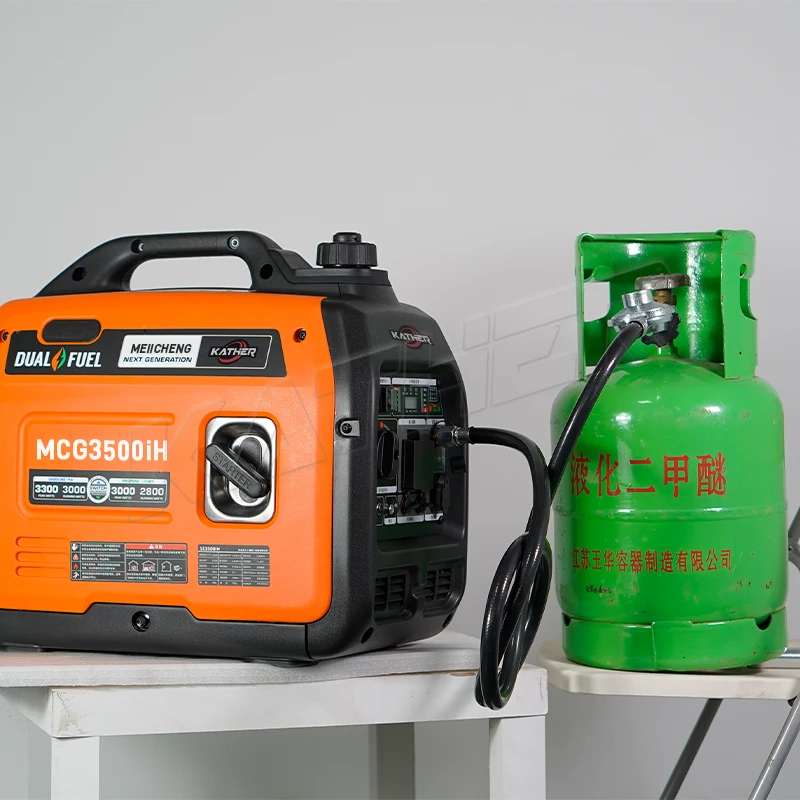
Dual-fuel capability extends operational flexibility by allowing operation on either gasoline or propane, with propane typically providing longer storage life and cleaner combustion characteristics. While propane generally produces slightly less power output compared to gasoline, the fuel stability and reduced maintenance requirements often justify the small power reduction for standby applications.
Noise Level Analysis and Sound Reduction Technology
Decibel Rating Standards and Measurement Methods
Noise level specifications for gasoline silent generator units are typically measured in decibels (dB) at a standardized distance of 23 feet under controlled testing conditions. Understanding these measurements helps compare different models and determine suitability for various applications. Most quality gasoline silent generator models produce between 50-65 dB at quarter load, which is comparable to normal conversation levels or moderate rainfall.
The relationship between load percentage and noise output is generally logarithmic, with noise levels increasing significantly as generators approach maximum capacity. A gasoline silent generator operating at 25% load typically produces 8-12 dB less noise than the same unit at full load, making proper sizing crucial for noise-sensitive applications. Residential areas often have noise ordinances limiting generator operation to specific decibel levels during certain hours, making quiet operation essential for compliance.
Frequency characteristics of generator noise also impact perceived loudness and annoyance levels. Low-frequency rumbling and high-frequency whining are generally more objectionable than mid-range frequencies at similar decibel levels. Advanced gasoline silent generator designs incorporate multiple noise reduction strategies to minimize objectionable frequency components while maintaining adequate cooling and ventilation.
Sound Dampening Technologies and Enclosure Design
Modern gasoline silent generator manufacturers employ sophisticated sound dampening technologies to achieve quiet operation without compromising performance or reliability. Multi-layer acoustic enclosures combine sound-absorbing materials, vibration isolation, and aerodynamic design principles to minimize noise transmission. High-density foam insulation, fiberglass batting, and specialized acoustic tiles line the interior surfaces of generator enclosures to absorb sound energy across multiple frequency ranges.
Vibration isolation systems prevent engine and alternator vibrations from transmitting through the generator frame to the enclosure panels, which would amplify noise through panel resonance. Rubber mounting systems, spring isolators, and flexible connections between engine components and the supporting structure effectively decouple vibration sources from the outer enclosure.
Cooling system design significantly impacts noise levels since adequate airflow is essential for engine cooling and electrical component protection. Advanced gasoline silent generator models incorporate variable-speed cooling fans that automatically adjust airflow based on operating temperature, reducing unnecessary noise during light load operation. Optimized air intake and exhaust port designs minimize turbulence and whistling while maintaining sufficient cooling capacity for continuous operation.
Comparative Analysis of Leading Generator Technologies
Inverter Technology versus Conventional Alternators
Inverter technology represents a significant advancement in gasoline silent generator design, offering superior power quality, fuel efficiency, and noise reduction compared to conventional alternator-based units. Inverter generators produce raw AC power that is converted to DC and then inverted back to clean AC power through electronic switching circuits. This process eliminates voltage and frequency fluctuations common in conventional generators, making inverter units ideal for sensitive electronic equipment.
The variable engine speed capability of inverter gasoline silent generator units allows the engine to automatically adjust RPM based on electrical load requirements. During light load conditions, the engine operates at reduced speed, significantly decreasing fuel consumption and noise output. Conventional generators must maintain constant 3600 RPM operation regardless of load, resulting in unnecessary fuel consumption and noise generation during partial load operation.
Power quality measurements demonstrate the superiority of inverter technology for modern applications. Total harmonic distortion (THD) in quality inverter generators typically measures less than 3%, while conventional generators often exceed 8-12% THD. Lower harmonic distortion prevents interference with sensitive electronics and reduces the risk of equipment damage or malfunction during extended generator operation.
Engine Design Features and Performance Characteristics
Engine design significantly impacts the performance, reliability, and maintenance requirements of gasoline silent generator systems. Four-stroke overhead valve (OHV) engines provide superior fuel efficiency, lower emissions, and longer service life compared to older side-valve designs. OHV configuration allows better combustion chamber design, improved valve timing control, and more efficient heat dissipation through the cylinder head.
Cast iron cylinder sleeves in aluminum blocks offer excellent durability and heat dissipation characteristics essential for continuous operation in gasoline silent generator applications. Forced air cooling systems with thermostatically controlled fans ensure optimal operating temperatures under varying load conditions and ambient temperatures. Low oil shutdown systems protect engines from damage during extended operation by automatically stopping the engine when oil pressure drops below safe levels.
Fuel system design impacts starting reliability, especially in cold weather conditions. Electric fuel pumps, automatic chokes, and primer systems facilitate reliable starting across temperature ranges commonly encountered in portable and standby applications. Fuel shut-off valves prevent fuel system contamination during storage periods, while fuel filters protect injection or carburetor systems from contaminated fuel supplies.
Installation and Safety Considerations
Proper Ventilation and Exhaust Management
Safe installation of any gasoline silent generator requires careful attention to ventilation and exhaust gas management to prevent carbon monoxide poisoning and ensure adequate cooling airflow. Never operate generators indoors, in garages, basements, or other enclosed spaces where exhaust gases can accumulate to dangerous levels. Carbon monoxide is colorless, odorless, and can cause unconsciousness or death within minutes in high concentrations.
Minimum clearance distances around generators ensure adequate cooling airflow and prevent heat buildup that could damage generator components or create fire hazards. Most manufacturers recommend at least 3-5 feet clearance on all sides, with additional clearance required for exhaust outlet direction. Temporary enclosures or covers should never restrict airflow or create exhaust gas recirculation patterns that could affect operator safety.
Wind direction and building ventilation patterns influence exhaust gas dispersion around generator installation sites. Position gasoline silent generator units so prevailing winds carry exhaust gases away from occupied buildings, air intake vents, and outdoor activity areas. Carbon monoxide detectors in nearby buildings provide additional safety protection by alerting occupants to dangerous gas concentrations before they reach life-threatening levels.
Electrical Safety and Grounding Requirements
Proper electrical installation and grounding procedures are essential for safe gasoline silent generator operation and compliance with local electrical codes. Ground fault circuit interrupter (GFCI) protection on all generator outlets prevents electrical shock hazards, especially in wet or damp conditions common during storm-related power outages. Quality generators include built-in GFCI protection, while older units may require external GFCI devices for safety compliance.
Transfer switch installation enables safe connection between generators and building electrical systems while preventing dangerous back-feed situations that could electrocute utility workers. Manual transfer switches provide cost-effective solutions for residential applications, while automatic transfer switches offer convenience for commercial installations. Never connect generators directly to building wiring without proper transfer switch isolation from utility power systems.
Proper grounding electrode installation ensures electrical safety and reduces the risk of electrical shock or equipment damage. Generator frames must be connected to suitable grounding electrodes using appropriate wire sizing based on generator capacity and local electrical code requirements. Portable gasoline silent generator units operating outdoors may use temporary grounding electrodes, while permanent installations require permanent grounding electrode systems integrated with building electrical systems.
FAQ
What size gasoline silent generator do I need for my home
The appropriate size depends on your essential electrical loads during power outages. Calculate the total wattage of appliances you need to operate simultaneously, including starting watts for motors and compressors. Most homes require 5000-7500 watts for basic needs including refrigeration, lighting, heating/cooling, and electronics. Add 25% safety margin to your calculated load for reliable operation. A gasoline silent generator in this range provides adequate power while maintaining quiet operation suitable for residential areas.
How long can a gasoline silent generator run continuously
Runtime depends on fuel tank capacity, load percentage, and engine design. Most portable units run 8-12 hours at 50% load on a full tank, while larger models with bigger tanks can operate 16-24 hours. Continuous operation requires regular maintenance intervals including oil changes every 50-100 hours depending on manufacturer specifications. Quality gasoline silent generator models with proper maintenance can handle extended runtime periods, but allow cooling periods during fuel refilling for optimal engine life.
Are gasoline silent generators really quiet enough for residential use
Modern gasoline silent generator models typically produce 52-62 decibels at 23 feet, which is comparable to normal conversation or light rainfall. This noise level is generally acceptable for residential use, especially during emergency situations. However, check local noise ordinances as some areas restrict generator operation during nighttime hours. Inverter-type units are typically quieter than conventional generators due to variable engine speed operation that reduces noise during light loads.
What maintenance is required for optimal gasoline silent generator performance
Regular maintenance includes oil changes every 50-100 hours of operation, air filter cleaning or replacement every 50-100 hours, spark plug replacement annually or every 100-200 hours, and fuel system cleaning with fresh gasoline and fuel stabilizer. Check and clean cooling fins, inspect exhaust system components, and verify proper operation of safety systems including low oil shutdown and circuit protection. Store generators with fuel stabilizer or empty fuel system for seasonal storage to prevent carburetor issues and ensure reliable starting when needed.